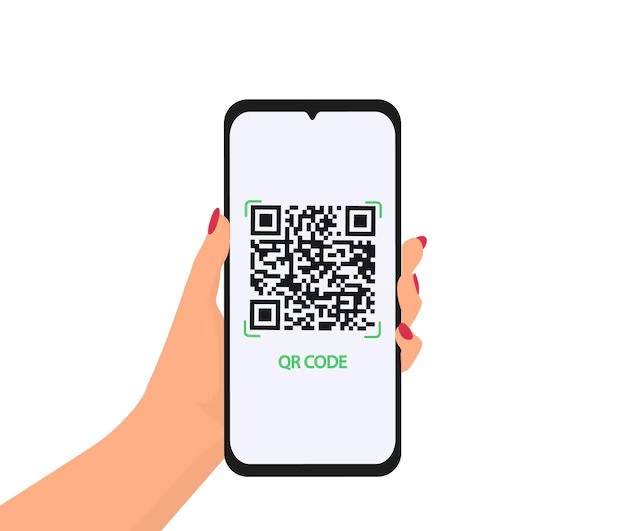
Digital convenience has become an important part of everyday life, influencing how people communicate, share information, and manage routine tasks. Users increasingly prefer online tools that work quickly without requiring complicated installations or technical knowledge. In this environment, a QR Code Generator offers a practical way to create scannable codes for websites, contact details, business promotions, and digital resources. Browser-based solutions make this process even more accessible by allowing people to generate codes directly through their preferred web browsers. Their simplicity, flexibility, and accessibility have made them attractive to individuals, businesses, educators, and professionals seeking efficient digital solutions.
Easy Access Without Software Installation
One of the main reasons browser-based tools appeal to modern users is their straightforward accessibility. Traditional software often requires downloading installation files, checking device compatibility, and managing updates. Online alternatives eliminate many of these steps by allowing users to access features through a web browser. This approach saves time and reduces unnecessary technical work.
Whether someone uses a desktop computer, laptop, tablet, or smartphone, a browser-based platform can provide a convenient starting point for creating QR codes. Users can open a website, enter the information they want to share, and generate a code within a few moments. This simple process is especially helpful for people who need a quick solution without committing to additional software.
A User-Friendly Experience for Different Skill Levels
Modern digital tools must accommodate users with different levels of technical experience. Browser-based QR code platforms generally achieve this by offering clean interfaces, recognizable controls, and simple input fields. Instead of requiring programming knowledge, they guide users through a process that is easy to understand.
A small business owner can create a code for a product page, while a student can prepare one for a presentation. Similarly, an event organizer can direct visitors to registration information without learning complicated design techniques. When the process feels intuitive, users can focus on their goals rather than figuring out how the technology works. This accessibility makes browser-based tools useful across professional, educational, and personal settings.
Compatibility Across Multiple Devices
People frequently switch between devices throughout the day. They may research information on a computer, manage business activities on a tablet, and complete personal tasks using a smartphone. Browser-based applications support these changing habits by providing access through commonly used internet browsers.
Users do not necessarily need to install separate applications for each device. As long as a platform supports their browser and screen size, they can often perform the same basic tasks across different environments. This flexibility is particularly valuable for professionals who work remotely or collaborate with colleagues using different devices. Device compatibility also makes it easier for organizations to introduce QR code creation into existing workflows without requiring every employee to use identical hardware.
Faster Information Sharing in Everyday Activities
QR codes provide a convenient connection between physical materials and digital information. A single code can direct someone to a website, online document, menu, contact page, or registration form. Instead of typing a lengthy address manually, users can scan the code with a compatible smartphone and access the intended destination.
Browser-based tools simplify the creation of these links, helping individuals and organizations distribute information more efficiently. Restaurants can place codes on tables, retailers can include them on packaging, and teachers can add them to classroom materials. Each example demonstrates how a small digital element can make information easier to access. By reducing unnecessary steps, these tools support faster interactions and more convenient communication.
Affordable Solutions for Individuals and Businesses
Cost is another important consideration when choosing digital tools. Many users prefer browser-based services because they can access basic functionality without purchasing dedicated software. Free options may provide sufficient features for personal projects, small businesses, and occasional marketing activities.
For organizations managing several campaigns, online platforms can also reduce the administrative effort associated with installing and maintaining separate applications. However, available features vary between providers. Some services charge for advanced customization, analytics, dynamic codes, or additional management options. Before choosing a platform, users should review its pricing structure, privacy practices, and usage limitations. Understanding these details helps them select a solution that fits their needs and budget.
Customization for Marketing and Professional Use
Although QR codes have a recognizable structure, many modern platforms offer customization options that help users align codes with their communication goals. Depending on the service, these options may include changing colors, adding a logo, adjusting visual elements, or downloading files in different formats.
A marketing team might use branded codes on promotional materials, while a freelancer could include one on a business card to share a portfolio. Event organizers may use QR codes on invitations to direct guests toward schedules or ticket information. A reliable QR Code Generator can make these tasks more manageable by combining code creation with practical design controls. Users should still test customized codes before publishing them to ensure that the finished design remains easy to scan.
Privacy, Security, and Responsible Usage
Convenience should not be the only factor when selecting an online QR code service. Users should also consider how a platform handles submitted information, browser activity, and generated content. Reputable providers should explain their privacy policies clearly and avoid requesting unnecessary personal details.
It is also important to remember that creating a QR code does not automatically make its destination trustworthy. A code may direct people to legitimate resources, but malicious individuals can also use QR codes to distribute deceptive links. Users should verify destinations before sharing codes publicly, particularly when the codes involve payments, account access, or sensitive information. Businesses can build trust by using recognizable website addresses and checking their codes regularly.
Conclusion
Browser-based QR code tools appeal to modern users because they combine accessibility, ease of use, device compatibility, and practical functionality. They remove many technical barriers while helping people share information through convenient digital connections. From classroom activities and professional networking to retail promotions and event management, these platforms serve a wide range of purposes.
As digital communication continues to evolve, users will likely continue to value tools that simplify everyday tasks without demanding extensive technical knowledge. Choosing a dependable platform, testing generated codes, and paying attention to privacy can help users enjoy the benefits of this technology while maintaining a reliable experience.