
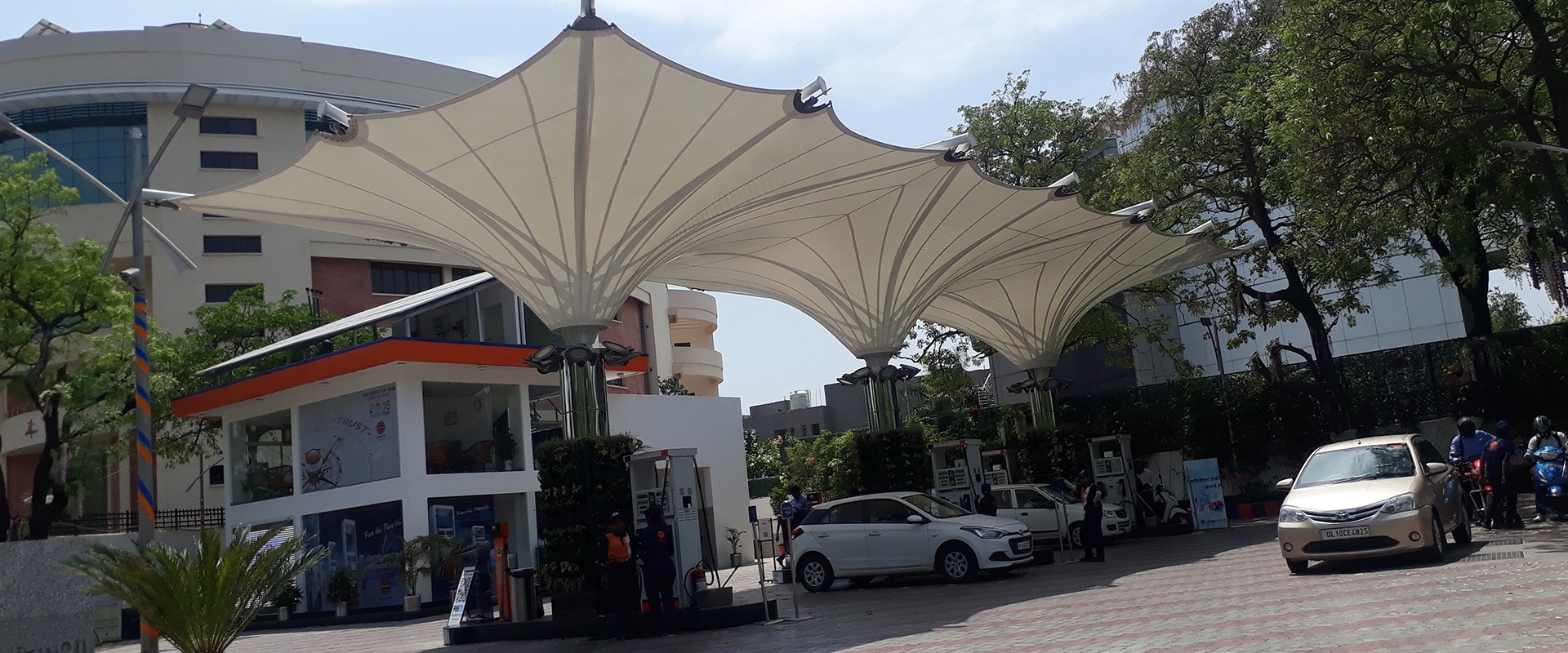
Open atriums can add character to commercial and public buildings, but they also need protection from changing weather conditions. An Atrium tensile structure can provide coverage without making the space feel completely enclosed. Its lightweight appearance and flexible design make it suitable for a wide range of architectural projects.
Makes Large Spaces More Comfortable
An uncovered atrium can become uncomfortable during strong sunlight or rainfall. A tensile membrane can provide shade and help protect people using the area.
This makes covered atriums more practical for entrances, walkways, waiting areas, courtyards, and gathering spaces.
Offers Flexible Design Options
Tensile structures are not limited to one particular shape. The membrane can be designed with curves, peaks, slopes, and other forms according to the building.
This allows architects to create a structure that works with the existing design while making effective use of the available space.
Helps Retain an Open Feel
A traditional solid roof can make an atrium feel darker or more enclosed. Depending on the selected fabric, a tensile membrane can allow filtered daylight to enter the space.
This can create a comfortable balance between coverage and openness.
Works Across Different Building Types
Atrium tensile structures can be considered for shopping malls, hotels, office buildings, educational campuses, hospitals, resorts, restaurants, and public facilities.
The design can be adjusted according to the expected number of users, available area, building layout, and purpose of the covered space.
Requires Careful Structural Planning
Although tensile membranes are lightweight, the supporting structure must be properly designed. Wind loads, rainwater, fabric tension, connection points, foundations, and drainage all need to be considered.
A detailed structural assessment helps determine the appropriate support system for the project.
Maintenance Should Not Be Ignored
Regular inspection helps keep a tensile structure in good condition. The membrane, steel supports, cables, joints, and drainage points should be checked periodically.
Cleaning requirements will depend on the fabric type and the surrounding environment.
Conclusion
An Courtyard Covering Structure can be a practical choice when a project needs shade and weather protection without losing the visual openness of an atrium. Its flexible forms and lightweight appearance also provide opportunities for creative architectural design.



