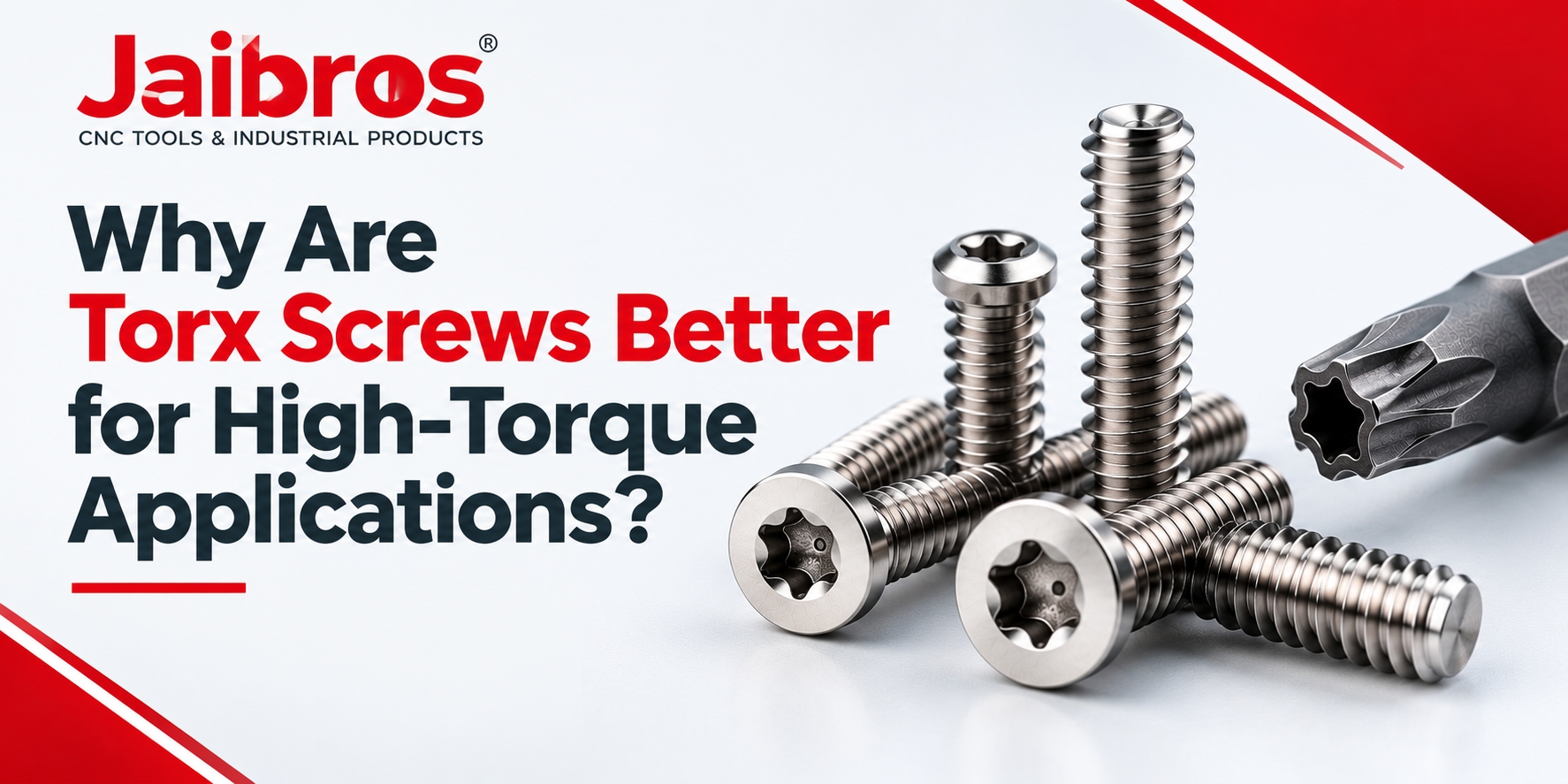
Fasteners play an important role in machinery, automotive assembly, furniture manufacturing, and industrial maintenance. Choosing the right screw helps ensure a secure connection and reduces the risk of damage during installation. Some screw designs are better suited to applications that require higher tightening torque and reliable tool engagement.
torx screw fasteners use a six-point star-shaped drive that helps transfer turning force from the driver to the screw. This design can reduce slipping when the correct driver is used. Understanding how this drive system works, where it performs well, and how to select the right size helps improve assembly quality and fastening reliability.
What Is a Torx Screw?
A torx screws is a fastener with a six-point star-shaped recess in its head. It is designed to work with a matching Torx bit or screwdriver. The shape provides several contact points between the driver and the screw, helping transfer rotational force during tightening and loosening.
These fasteners are commonly used in automotive components, electronic equipment, machinery, furniture, and general industrial assembly. They are available in different sizes, head styles, materials, and thread designs to suit specific applications.
The main advantage is controlled engagement between the driver and the fastener. However, performance also depends on the screw material, correct size, installation method, and manufacturer's torque recommendations.
How Does the Torx Drive Handle High Torque?
Torque is the turning force applied when tightening or loosening a fastener. A drive system must transfer this force efficiently without damaging the screw head or driver.
The six-point star-shaped recess provides several areas of contact between the bit and the screw. When the correct bit is fully seated, the load is distributed across these contact areas. This can help reduce slipping and damage compared with some conventional drive designs.
A properly matched Torx driver also helps maintain better control during installation. However, no drive design can prevent damage if excessive force is applied, the bit is worn, or the wrong size is used.
Key Advantages of Torx Screws in High-Torque Applications
1. Better Torque Transfer
One of the main benefits of a torx screw drive is its ability to transfer turning force efficiently. The six-lobed shape creates multiple contact surfaces between the bit and the recess. This helps distribute the applied force rather than concentrating it at a few small points.
This feature is useful when assembling machinery, vehicle components, and equipment that requires controlled tightening. The actual torque capacity still depends on the fastener size, material strength, and design of the joint.
2. Reduced Cam-Out and Slipping
Cam-out occurs when a driver moves out of the screw recess while turning. It can damage the screw head, wear down the driver bit, and scratch nearby surfaces.
The Torx drive's geometry is designed to reduce this problem by keeping the bit engaged with the screw. Compared with many slotted and Phillips drives, it generally offers more stable engagement when the correct bit is used.
This advantage is particularly helpful during repeated fastening operations and when working with power tools. However, worn bits, incorrect sizes, and poor alignment can still cause slipping.
3. Less Pressure Needed During Installation
Some drive designs require the operator to push firmly against the screw to prevent the driver from slipping out. A properly fitted Torx bit generally needs less downward pressure because the drive geometry helps maintain engagement.
This can make installation more comfortable during repetitive work. It may also improve control when fastening components in restricted spaces or overhead positions.
Using less downward force does not mean the operator can ignore tool alignment. The driver should remain straight and fully seated throughout the tightening process.
4. Longer Tool and Fastener Life
Repeated slipping can wear down driver tips and damage screw recesses. Once the recess becomes rounded or the bit loses its shape, tightening and removal become more difficult.
The broad contact surfaces of a Torx drive can help distribute driving forces and reduce concentrated wear when the tool and fastener are correctly matched. This can support longer tool life and reduce interruptions in production.
Regular inspection remains important. Replace worn bits, keep the drive recess clean, and avoid applying more force than the fastener specification allows.
Where Are Torx Fasteners Commonly Used?
Torx fasteners are used in several industries because their drive design supports controlled installation and efficient torque transfer.
Automotive assembly: Used in vehicle interiors, brackets, engine-related components, and other assemblies where specified by the manufacturer.
Industrial machinery: Helps secure machine covers, equipment panels, and mechanical components.
Electronics: Small drive sizes are used in selected electronic devices and precision assemblies.
Furniture manufacturing: Star-drive fasteners can improve installation control during furniture assembly.
Woodworking and construction: Torx wood screws are often selected for decking, framing-related tasks, cabinets, and other timber applications, depending on the screw's structural rating and intended use.
The correct fastener must always match the application. A star-shaped drive alone does not guarantee that a screw is suitable for a structural joint, a particular material, or a high-load environment.
Torx vs Phillips Screws: What Is the Difference?
Both designs are used for fastening, but their drive shapes affect how force is transferred during installation.
Feature | Torx drive | Phillips drive |
Drive shape | Six-lobed star | Cross-shaped |
Torque transfer | Generally efficient with a matching bit | More prone to cam-out under unsuitable conditions |
Driver engagement | Stable when correctly fitted | Can slip under excessive force or poor alignment |
Common applications | Machinery, automotive assembly, furniture, electronics | General assembly, household products, and many other applications |
Main consideration | Requires the correct Torx size | Requires the correct Phillips size |
Neither design is automatically best for every application. The choice depends on the fastener specification, required tightening torque, installation equipment, and maintenance needs.
How to Choose the Right Torx Screw and Driver
Choosing the correct fastener helps prevent installation errors and improves joint reliability. Consider these factors before starting a project.
Select the correct drive size: Match the bit to the screw's specified size. Do not force a loose or oversized bit into the recess.
Check the screw material: Steel, stainless steel, and other materials have different strength and corrosion-resistance properties.
Choose the right thread and length: The screw must suit the material thickness, engagement depth, and load requirements.
Consider the head style: Pan, countersunk, and other head designs serve different installation needs.
Follow torque specifications: Use a calibrated or appropriately controlled tool when the application requires a specified tightening torque.
Inspect the driver and recess: Replace worn bits and clean away dirt that prevents full engagement.
A suitable torx screwdriver set should include the sizes needed for the fasteners in your application. For security fasteners with a centre pin, use a compatible security bit rather than forcing a standard driver into the recess.
Common Mistakes to Avoid
Even a well-designed drive can fail when used incorrectly. Avoid these common mistakes:
Using the wrong driver size.
Applying excessive torque with a power tool.
Tightening at an angle.
Reusing damaged or worn bits.
Ignoring the fastener's material and load rating.
Treating standard Torx and Torx Plus drives as automatically interchangeable.
Correct tool selection, proper alignment, and controlled tightening are essential for preventing damage and maintaining consistent assembly quality.
Conclusion
Torx fasteners are a practical choice for many high-torque applications because their six-lobed drive supports efficient force transfer, stable bit engagement, and reduced cam-out. These characteristics can improve installation control and help reduce damage to tools and fastener heads.
However, the drive design is only one part of a reliable fastening system. Selecting the correct size, material, thread, and tightening torque is equally important. By following the manufacturer's specifications and maintaining the tools properly, users can achieve safer, more consistent fastening results across industrial, automotive, and woodworking applications.For reliable industrial tools, cutting tools, and fastening accessories, explore Jaibros to find suitable products for your machining and workshop needs. Compare available options and choose the tools that best match your application, quality requirements, and performance expectations.
Frequently Asked Questions (FAQs)
1. Why is a Torx screw suitable for high-torque applications?
A Torx screw is suitable for many high-torque applications because its six-lobed drive provides effective contact between the driver and the fastener. This helps transfer turning force while reducing the risk of cam-out compared with many conventional drive designs. However, the maximum safe torque depends on the screw's size, material, strength, and application. Always follow the manufacturer's tightening specifications.
2. What is the difference between Torx and Phillips screws?
Torx screws have a six-lobed star-shaped recess, while Phillips screws have a cross-shaped recess. The Torx design generally provides more stable driver engagement and reduces the tendency for the bit to slip out during tightening. Phillips screws remain widely used for general fastening. The best choice depends on the application, required torque, available tools, and fastener specifications.
3. How do I choose the correct Torx screwdriver set?
Choose a Torx screwdriver set that includes the drive sizes required for your fasteners. The bit should fit securely and sit fully inside the screw recess without excessive movement. Consider whether you need manual screwdrivers, interchangeable bits, or power-tool bits. If you work with security fasteners, check whether specialised bits are required. Avoid using damaged or incorrectly sized tools.
4. Can Torx wood screws be used for heavy-duty applications?
Torx wood screws can be suitable for demanding woodworking applications when their dimensions, material, and strength rating match the job. Their drive design helps reduce slipping during installation, especially when driving longer screws into timber. However, the star-shaped recess does not determine the screw's structural capacity. For load-bearing work, select fasteners specifically rated for the intended use and follow installation guidance.
5. How can I prevent damage to Torx head screws?
To protect Torx head screws, use the correct bit size and ensure it is fully seated before applying force. Keep the driver aligned with the screw and avoid excessive torque, especially when using powered tools. Inspect the bit and screw recess for wear or debris before installation. For critical joints, use a suitable torque-controlled tool and follow the manufacturer's specifications.