
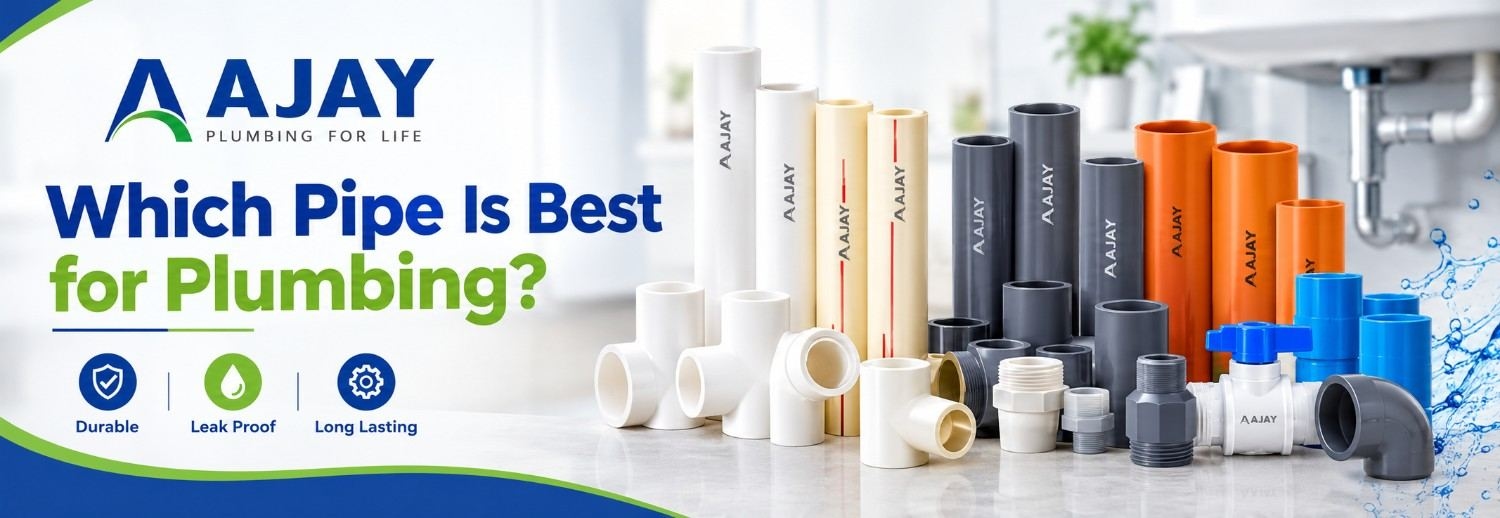
Choosing the right pipe is one of the most important decisions in any plumbing project. The wrong choice can lead to leaks, corrosion, poor water quality, and expensive repairs down the line. The right one can serve you reliably for decades. So, which pipe is best for plumbing? The honest answer is that it depends on your application, budget, and local conditions. Let’s break down the most popular options so you can decide with confidence.
Key Factors to Consider Before Choosing a Pipe
Before comparing materials, think about these essentials:
Purpose: Hot water, cold water, drainage, or underground supply lines each have different requirements.
Durability: How long the pipe is expected to last under pressure and temperature changes.
Cost: Both the initial material cost and the long-term maintenance cost.
Ease of installation: Lighter, flexible pipes reduce labour time.
Water quality: Some materials resist corrosion and scaling better than others.
Local regulations: Always confirm which materials are approved in your area.
1. PVC (Polyvinyl Chloride) Pipes
PVC is one of the most widely used plumbing materials in the world, and for good reason. It is lightweight, affordable, and highly resistant to corrosion and chemicals.
Best for: Cold water supply, drainage, waste lines, and irrigation.
Pros:
Low cost and easy availability
Simple to cut and join using solvent cement
Does not rust or corrode
Smooth interior ensures good water flow
Cons:
Not suitable for hot water, as it can warp at high temperatures
Can become brittle under prolonged sun exposure unless protected
2. CPVC (Chlorinated Polyvinyl Chloride) Pipes
CPVC is an upgraded version of PVC designed to handle higher temperatures. In many regions, including India, it has become a go-to choice for both hot and cold water lines in homes and commercial buildings.
Best for: Hot and cold water supply systems.
Pros:
Withstands temperatures up to around 80–90°C
Resists scaling and corrosion
Lightweight and easy to install
Long service life when installed correctly
Cons:
Slightly more expensive than PVC
Can become brittle in very cold conditions
3. UPVC (Unplasticised PVC) Pipes
UPVC pipes are rigid and strong, making them ideal for applications where structural strength matters. They contain no plasticisers, which gives them excellent durability and chemical resistance.
Best for: Cold water supply, drainage, sewage, and underground applications.
Pros:
Excellent strength and rigidity
Long lifespan, often exceeding 50 years
Resistant to chemicals and corrosion
Low maintenance
Cons:
Not suitable for hot water
Less flexible than other materials
4. PPR (Polypropylene Random) Pipes
PPR pipes are popular for modern plumbing, particularly in hot and cold water systems. They are joined using heat fusion, which creates a seamless, leak-proof connection.
Best for: Hot and cold water lines, especially in concealed wall installations.
Pros:
Heat-fused joints eliminate most leakage risks
Excellent thermal insulation
Safe for drinking water
Very long lifespan
Cons:
Requires specialised fusion equipment and trained installers
Higher upfront cost than PVC
5. Copper Pipes
Copper has been a trusted plumbing material for generations. It is naturally antimicrobial, durable, and handles both hot and cold water well.
Best for: Premium residential plumbing and hot water systems.
Pros:
Extremely durable and long-lasting
Heat resistant
Naturally resists bacterial growth
Cons:
Expensive compared to plastic options
Can corrode in certain water conditions
Installation requires soldering skills
6. GI (Galvanised Iron) Pipes
GI pipes were once the standard for water supply but have lost popularity in new construction. They are strong but prone to rust and scaling over time.
Best for: Fire fighting lines and certain industrial or outdoor applications.
Pros:
High mechanical strength
Withstands external impact
Cons:
Rusts internally, reducing water quality and flow
Heavy and harder to install
Shorter lifespan in plumbing than modern alternatives
Quick Comparison: Which Pipe Should You Choose?
For drainage and sewage: PVC or UPVC
For hot and cold water in homes: CPVC or PPR
For premium, long-term installations: Copper
For underground cold water supply: UPVC
For industrial or fire-fighting use: GI
So, Which Pipe Is Best for Plumbing?
For most modern homes, CPVC and PPR pipes offer the best balance of durability, safety, temperature resistance, and cost for water supply lines. PVC and UPVC remain the top choices for drainage and cold water applications. Copper is excellent if budget allows, while GI is best reserved for specialised uses.
Ultimately, the best pipe is the one matched to your specific need, installed correctly, and sourced from a trustworthy manufacturer. Quality matters just as much as material type. Even the right pipe type will fail early if the product is poorly made or fails to meet industry standards.
Tips for Getting the Most From Your Plumbing Pipes
Buy certified products that meet recognised quality standards.
Use matching fittings from the same system for secure joints.
Hire experienced installers who understand the material.
Test the system under pressure before sealing walls or burying lines.
Protect exposed pipes from direct sunlight and extreme temperatures.
Final Thoughts
Plumbing is a long-term investment, and your pipe choice affects your home’s comfort, safety, and maintenance costs for years. Take time to evaluate your needs, compare materials, and choose a reliable supplier.
Looking for high-quality pipes for your next project? Explore a complete range of durable, reliable piping solutions at ajaypipes.com. Whether you need pipes for residential, commercial, or industrial plumbing, the team at Ajay Pipes can help you find the right fit. Visit ajaypipes.com today to browse products and get expert guidance.