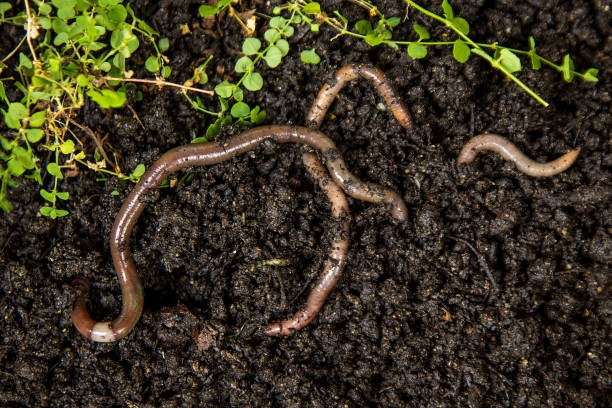
A healthy garden begins with healthy soil. While sunlight, water, and quality plants are essential, the organisms living beneath the surface also play an important role. Earthworms help break down organic matter, create natural channels through the soil, and produce nutrient-rich castings that support soil health.
For gardeners interested in improving their soil naturally, finding the right earthworms can be a useful step. But where should you get them? Should you collect them from your backyard, visit a local supplier, or order them online? The best option depends on your gardening goals and the type of worms you need.
Why Are Earthworms Important for Garden Soil?
Earthworms contribute to soil health through their natural feeding and burrowing activities. As they move through suitable soil, they create small passages that can improve airflow and water movement. They also consume decomposing organic material and produce castings that add organic matter and nutrients to the soil.
These activities support a healthier soil environment and can benefit plants over time. However, earthworms need suitable conditions to survive. Moisture, organic matter, and protection from excessive disturbance are important factors in maintaining a healthy worm population.
Where Can You Find Earthworms for Your Garden?
There are several ways to obtain earthworms, depending on whether you need them for outdoor gardening or composting.
Look for Naturally Occurring Earthworms
Before purchasing worms, check your existing garden soil. Earthworms may already be living beneath damp leaves, around compost piles, or in areas with plenty of organic matter.
You can often spot them after rainfall when the soil is moist. If your garden already has a healthy population, improving the soil environment may be more beneficial than introducing additional worms.
Visit Local Gardening Suppliers
Some garden centers, agricultural stores, and composting suppliers offer earthworms or can connect you with local worm breeders. Buying locally can make it easier to ask questions about species, handling, and care requirements.
Always confirm what type of worms are being sold and whether they are suitable for your intended project.
Order Earthworms From an Online Supplier
Online specialist suppliers provide another convenient option for gardeners who want to compare different worm varieties and quantities.
For example, Meme's Worms offers different worm varieties and related composting supplies. Gardeners interested in vermicomposting can also explore its live red wiggler worms.
Before ordering, review current stock, shipping information, packaging details, and live-arrival conditions. Proper handling during transportation is important because earthworms are living organisms.
Choosing the Right Earthworms for Your Garden
Not every earthworm is suitable for every gardening project. Understanding the differences between common varieties can help you make a better decision.
Red Wigglers for Composting
Red wigglers, commonly known as Eisenia fetida, are popular composting worms. They live near the surface and thrive in decomposing organic material.
They are particularly useful in worm bins and vermicomposting systems, where they process suitable kitchen scraps and other organic waste. Their castings can then be collected and used as a soil amendment.
European Nightcrawlers for Different Worm Projects
European nightcrawlers, commonly identified as Eisenia hortensis, are larger than typical red wigglers. They are used in certain composting systems and are also popular among fishing enthusiasts.
Their size and care requirements differ from those of red wigglers, so consider your intended use before choosing this variety.
Native Earthworms for Outdoor Gardens
Native earthworms are often a suitable choice for established outdoor soil because they are adapted to local environmental conditions.
Rather than introducing unfamiliar species, gardeners should generally protect existing earthworm populations and improve their habitat. Always check local ecological guidance before releasing purchased worms outdoors.
What to Look for When Buying Garden Earthworms
Choosing a reliable supplier is just as important as selecting the right species. Before placing an order, consider the following factors:
Species identification: Make sure the supplier clearly explains which worms are being offered.
Quantity and weight: Check whether worms are sold by count or weight. Actual counts can vary with worm size.
Packaging quality: Live worms need suitable moisture and breathable packaging.
Shipping information: Review estimated delivery times and weather-related shipping restrictions.
Care instructions: Look for guidance on bedding, feeding, moisture, and temperature.
Live-arrival policy: Understand the seller's conditions and requirements before purchasing.
Avoid sellers who provide little information about their worms or make unrealistic promises.
How to Prepare Your Garden for Earthworms
A suitable environment is essential for earthworms to survive. For outdoor garden beds, add appropriate organic matter such as compost and decomposing leaves. Maintain reasonable soil moisture and avoid excessive digging that can disturb underground organisms.
If you are starting a composting system, prepare damp bedding using materials such as shredded uncoated cardboard, paper, or coco coir. The bedding should feel like a wrung-out sponge rather than being soaked.
Feed composting worms small quantities of suitable fruit and vegetable scraps. Avoid meat, dairy, oily foods, and heavily processed leftovers in a typical home worm bin.
Remember that improving soil conditions is often more important than simply adding more worms.
Frequently Asked Questions About Garden Earthworms
Where is the best place to buy earthworms for a garden?
You can buy earthworms from specialist worm farms, local gardening suppliers, and reputable online sellers. Choose a supplier that provides clear species information and proper shipping details.
Are red wigglers good for garden soil?
Red wigglers are especially useful for vermicomposting. They process decomposing organic material and produce castings, making them a popular choice for managed composting systems.
Can I collect earthworms from my backyard?
You may find naturally occurring earthworms in damp garden soil. However, relocating them is not always necessary. Improving soil conditions can help support the worms already living there.
Can I order live earthworms online?
Yes. Specialist suppliers sell live earthworms online. Check product availability, delivery conditions, packaging, and the live-arrival policy before ordering.
How many earthworms do I need for my garden?
The quantity depends on your garden size, soil conditions, worm species, and intended use. Composting bins and outdoor garden beds have different requirements, so follow recommendations for your particular setup.
Conclusion
Finding earthworms for your garden is about choosing the right species and providing suitable living conditions. Native earthworms can support outdoor soil naturally, while red wigglers are particularly useful for composting and producing worm castings.
Compare suppliers carefully, understand the purpose of each worm variety, and prepare your soil before introducing anything new. If you are researching composting worms and related supplies, Meme's Worms is one supplier worth exploring. With responsible choices and healthy soil management, earthworms can become a valuable part of a more sustainable gardening approach.