
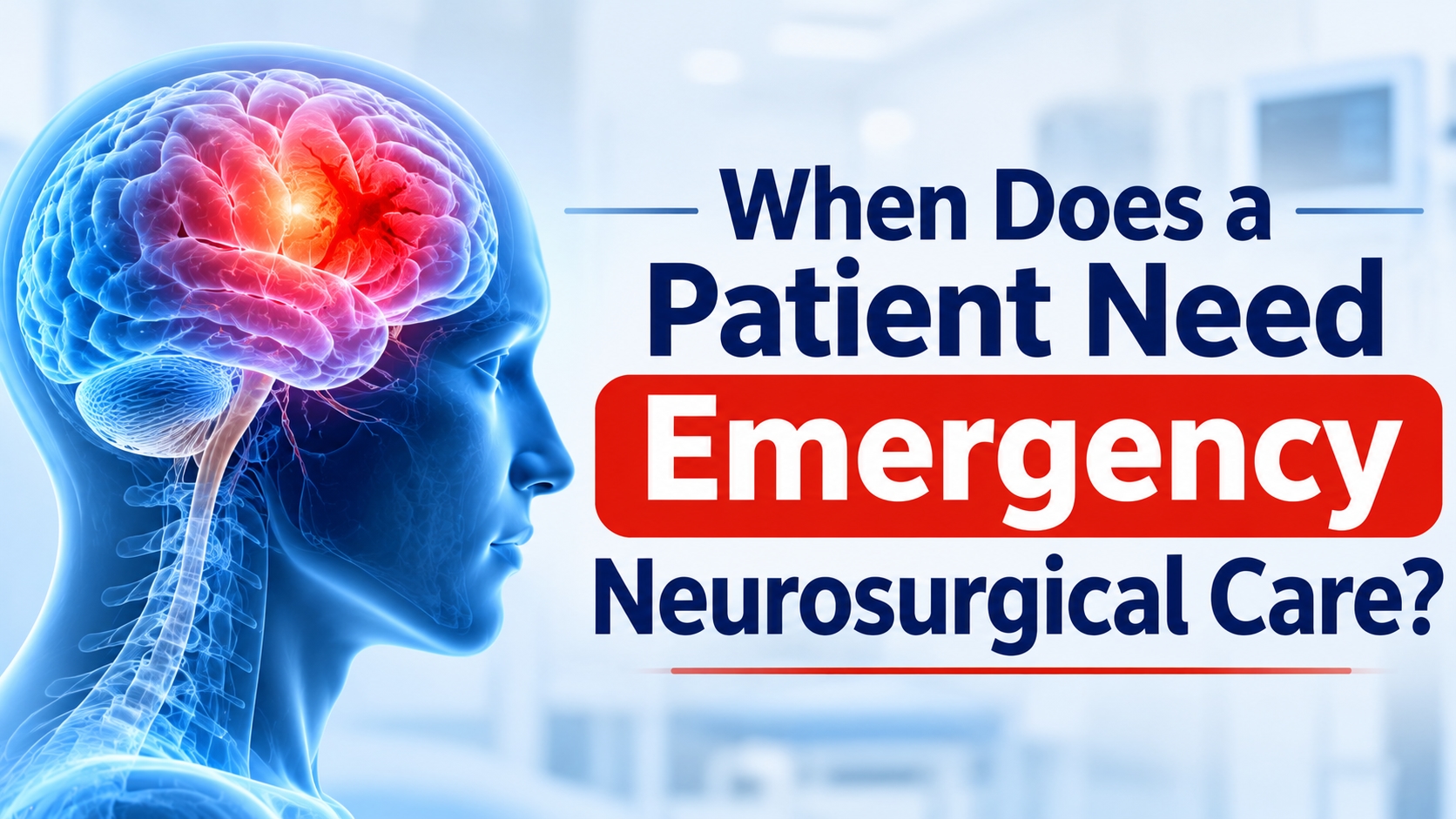
The brain, spinal cord, and nerves control many important functions of the human body, including movement, memory, speech, and coordination. Any serious injury or sudden problem affecting these areas may require immediate medical attention. In some situations, emergency neurosurgical care is necessary to prevent permanent damage and protect a patient's life.
What Is Emergency Neurosurgical Care?
Emergency neurosurgical care involves the immediate diagnosis and treatment of serious conditions affecting the brain, spine, and nervous system. These conditions may develop suddenly due to accidents, injuries, bleeding, infections, or other medical problems.
A neurosurgeon evaluates the patient's condition using physical examinations, medical history, and imaging tests such as CT scans or MRI scans. Depending on the severity, treatment may include medication, close monitoring, or emergency surgery. Patients and families looking for a Neurosurgery Hospital in Jaipur should understand the importance of timely treatment and access to specialised emergency care.
1. Severe Head Injury or Trauma
A serious head injury can occur because of road accidents, falls, sports injuries, or physical trauma. Even when there are no visible external wounds, an injury may cause internal bleeding or swelling inside the skull.
Some warning signs include:
Loss of consciousness, even for a short time
Repeated vomiting after a head injury
Severe or worsening headache
Confusion or unusual behaviour
Seizures
Difficulty speaking or walking
These symptoms require immediate medical evaluation. A CT scan may help doctors identify bleeding, fractures, or swelling that could require urgent neurosurgical treatment.
2. Brain Haemorrhage or Internal Bleeding
A brain haemorrhage occurs when a blood vessel breaks and causes bleeding inside or around the brain. It can happen due to high blood pressure, an aneurysm, a head injury, or other medical conditions.
Common symptoms include:
Sudden and extremely severe headache
Weakness or numbness on one side of the body
Difficulty speaking or understanding speech
Sudden vision problems
Loss of balance or coordination
Reduced consciousness
A brain haemorrhage is a medical emergency. Depending on its location and severity, treatment may involve medication, intensive monitoring, or surgery to control bleeding and reduce pressure on the brain.
3. Sudden Weakness or Symptoms of Stroke
A stroke occurs when blood supply to part of the brain is interrupted or when a blood vessel in the brain ruptures. Brain cells can become damaged within minutes, making early treatment extremely important.
Remember the common warning signs using FAST:
Face: One side of the face may droop.
Arms: One arm may become weak or difficult to lift.
Speech: Speech may become unclear or difficult to understand.
Time: Seek emergency medical help immediately.
Some strokes require urgent procedures to remove a blood clot or manage bleeding. Not every stroke needs surgery, but immediate assessment by a specialised medical team is essential.
4. Brain Tumours Causing Pressure on the Brain
Brain tumours may grow slowly or develop more aggressively. Some tumours cause pressure inside the skull, affecting nearby brain tissues and normal body functions.
Symptoms that may require urgent evaluation include:
Persistent or worsening headaches
Repeated vomiting
New seizures
Sudden changes in vision
Difficulty maintaining balance
Weakness in the arms or legs
Changes in speech or behaviour
If a tumour causes significant pressure, bleeding, or neurological deterioration, emergency treatment may be required. Doctors may recommend surgery to remove or reduce the tumour, depending on its type and location.
5. Serious Spinal Cord Injuries
The spinal cord carries messages between the brain and the rest of the body. An injury to this structure can affect movement, sensation, and other important functions.
Spinal cord injuries may occur after road accidents, falls, sports injuries, or severe trauma. Warning signs include:
Severe neck or back pain after an accident
Weakness in the arms or legs
Numbness or loss of sensation
Difficulty walking
Loss of bladder or bowel control
A suspected spinal injury should be treated as an emergency. Avoid moving the injured person unnecessarily, as incorrect movement may worsen the damage. Emergency medical professionals should assess and manage the injury.
6. Pressure Build-Up Inside the Skull
The brain is protected by the skull, which has limited space for expansion. Bleeding, swelling, infections, or fluid accumulation can increase pressure inside the skull. This condition is known as raised intracranial pressure.
Symptoms may include severe headaches, vomiting, blurred vision, confusion, seizures, and reduced alertness. If the pressure becomes dangerously high, it can damage brain tissues and affect vital functions.
Doctors may use medication, monitoring, or surgery to reduce the pressure, depending on the underlying cause.
7. Sudden Seizures or Loss of Consciousness
Seizures happen due to abnormal electrical activity in the brain. Some people may experience seizures because of epilepsy, while others may develop them due to head injuries, infections, brain tumours, or bleeding.
A seizure lasting more than five minutes, repeated seizures without recovery, or a first-time seizure requires emergency medical attention. A person who has a seizure should be protected from nearby objects, and nothing should be placed inside their mouth.
Neurosurgical evaluation may be necessary if a structural problem in the brain is responsible for the seizures.
What Happens During an Emergency Neurosurgical Evaluation?
When a patient arrives at the hospital with a suspected neurological emergency, doctors first assess their breathing, circulation, consciousness, and vital signs. They also check neurological functions such as movement, speech, pupil response, and sensation.
Depending on the symptoms, doctors may recommend:
CT scan to identify bleeding or serious head injuries
MRI scan to examine the brain and spinal cord
Blood tests to check for infections or other problems
Neurological examination to assess brain and nerve function
Emergency surgery when medically necessary
The treatment plan depends on the patient's condition, the cause of the problem, and how quickly the symptoms are progressing.
Why Is Timely Neurosurgical Treatment Important?
The brain and spinal cord are sensitive structures. Delays in treating serious injuries, bleeding, or pressure inside the skull can increase the risk of permanent neurological damage.
Early diagnosis helps doctors identify the problem and begin appropriate treatment. It may also improve the chances of recovery and reduce the risk of complications. Patients should never ignore sudden neurological symptoms or wait for them to disappear on their own.
Conclusion
Emergency neurosurgical care may be needed after severe head injuries, brain haemorrhage, stroke, spinal cord damage, brain tumours causing pressure, or other serious neurological conditions. Recognising warning signs and seeking immediate medical help can make a significant difference in treatment outcomes. Choosing a Best Neurosurgery Hospital in Jaipur with emergency facilities and experienced specialists can help patients receive timely assessment and appropriate care when serious neurological problems occur.

