
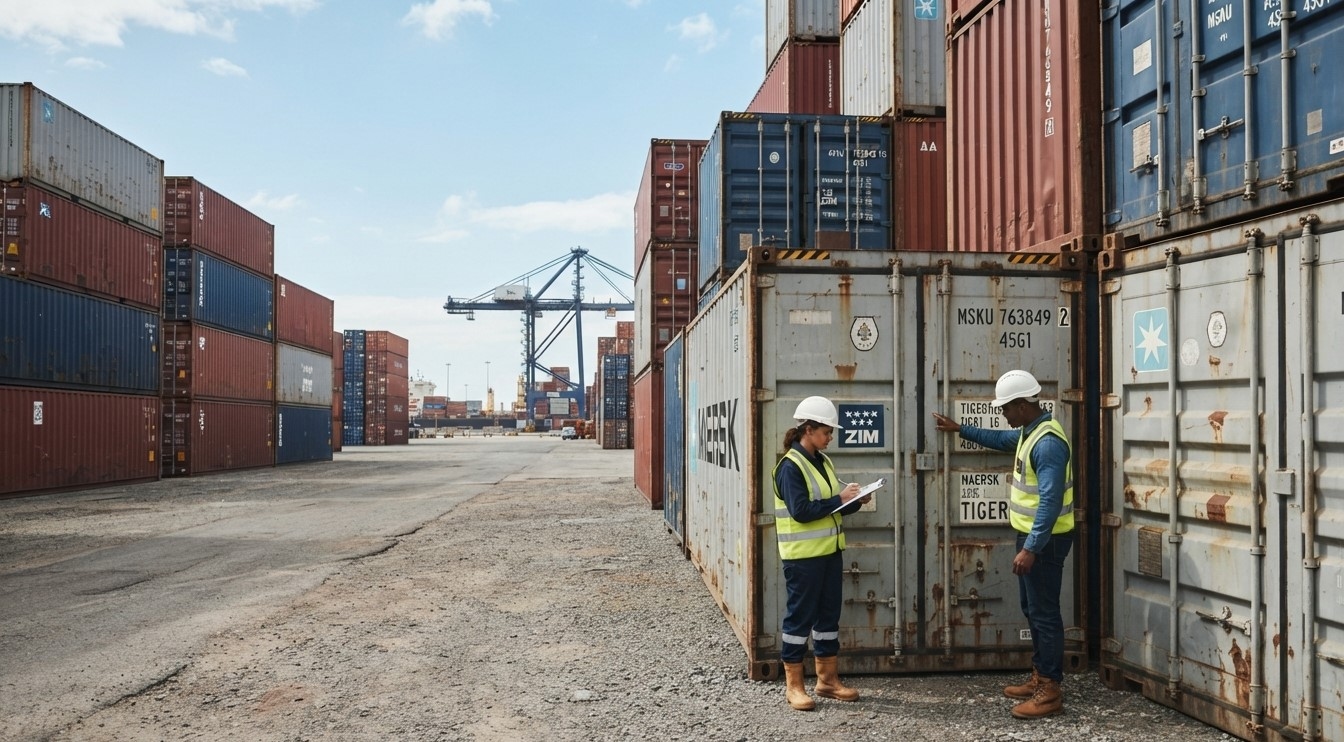
Buying multiple shipping containers can be a practical solution for businesses, construction companies, warehouses, retailers, and organizations that need significant storage capacity. Instead of relying on a single large storage area, multiple containers can be arranged for different products, equipment, materials, or business functions. When comparing shipping containers for sale, it is important to consider size, condition, configuration, delivery, placement, security, and your future storage requirements. Conex Hub offers different container options for businesses and organizations, making it possible to build a storage setup around specific operational needs. If you are searching for a shipping container for sale near me or comparing storage containers for sale, planning your purchase carefully can help you create an efficient and manageable storage system.
Table of Contents
Determine How Many Containers You Need
Choose the Right Container Sizes
Consider New vs. Used Containers
Decide on Container Types and Configurations
Plan Your Container Layout
Check the Delivery Site
Calculate Delivery and Placement Costs
Think About Security
Plan for Inventory Organization
Consider Future Expansion
Review Local Requirements
Inspect Containers Before Purchase
FAQs
Final Thoughts
Get the Right Containers for Your Project
Determine How Many Containers You Need
The first step is determining how much storage capacity your operation actually requires.
Start by listing everything you plan to store and estimating how much space each category requires. Consider current inventory as well as expected growth.
For example, a business might use:
One container for equipment
One for inventory
One for seasonal products
One for tools and supplies
Separating materials by purpose can make inventory management easier than storing everything in one large space.
Choose the Right Container Sizes
Multiple containers do not all have to be the same size. Depending on your property and storage requirements, combining different sizes may be more practical.
Common options include:
10-foot containers: Useful when space is limited or only a smaller amount of storage is required.
20-foot containers: A versatile option for general storage.
40-foot containers: Suitable for larger inventory and equipment needs.
40-foot high-cube containers: Provide additional interior height for certain storage applications.
Choosing different sizes can help you use available property space more efficiently.
Consider New vs. Used Containers
When purchasing multiple containers, you should decide whether you want new, used, or a combination of both.
New one-trip containers are generally in near-new condition and may be appropriate when appearance and condition are important.
Used containers can provide a more budget-conscious option when cosmetic wear is acceptable. However, each container should be inspected for structural condition, door operation, flooring, roof condition, and signs of water intrusion.
When comparing shipping containers for sale, consider the condition of every individual unit rather than assuming all containers have identical histories.
Decide on Container Types and Configurations
Different storage requirements may call for different container configurations.
Standard containers are suitable for many general storage applications. However, specialized options can make certain operations easier.
For example:
Double-door containers provide access from both ends.
Open-side containers provide full-length side access.
High-cube containers provide additional interior height.
Cargo-worthy containers may be appropriate when structural condition and shipping suitability are important.
Think about how you will load, unload, and access each container before selecting a configuration.
Plan Your Container Layout
When buying several containers, the layout becomes especially important.
You might arrange containers:
Side by side
In parallel rows
Around a central access area
According to different departments or storage categories
Leave enough room between containers for people, equipment, and vehicles to move safely.
A well-planned layout can also make it easier to access individual containers without moving or disturbing others.
Check the Delivery Site
Delivery planning becomes more important when ordering multiple containers.
Before placing an order, evaluate:
Ground stability
Site access
Turning space
Overhead wires
Trees and branches
Gates and entrances
Nearby buildings
Placement area
The delivery site should be suitable for the equipment used to unload and position the containers.
If several containers are being delivered, confirm whether they will arrive together or in separate deliveries and plan the site accordingly.
Calculate Delivery and Placement Costs
The purchase price is only one part of the total cost of acquiring multiple containers.
You may also need to account for:
Delivery
Placement
Site preparation
Ground supports
Permits
Modifications
Security equipment
Shelving or organization systems
Ask for a complete quote that clearly explains the container costs and applicable delivery or placement charges.
If you're searching for a shipping container for sale near me, local availability can sometimes simplify logistics, but delivery distance and site requirements should still be confirmed before purchasing.
Think About Security
Multiple containers may hold a significant amount of inventory, equipment, or materials, so security should be part of your planning process.
Depending on the value of the stored items, consider:
Strong locking hardware
Security lighting
Cameras
Fencing
Controlled access
Regular inspections
You can also organize higher-value equipment or products in a container positioned in a more secure part of the property.
Plan for Inventory Organization
More containers can create more storage capacity, but they can also make inventory harder to manage if everything is placed randomly.
Assign each container a specific purpose.
For example:
Container 1: Tools
Container 2: Equipment
Container 3: Finished products
Container 4: Seasonal inventory
Label containers clearly and maintain an inventory record. This allows employees to know where specific materials are stored without checking every unit.
Consider Future Expansion
If your business is growing, think beyond today's storage requirements.
You may need additional containers in the future, so consider leaving enough property space for expansion. A consistent layout can make adding another container easier later.
Buying multiple containers at once can also allow you to create a more organized storage system from the beginning instead of adding units randomly as your needs change.
Review Local Requirements
Before purchasing multiple containers, check whether your property has rules concerning container placement.
Depending on the location, requirements may involve:
Zoning
Building regulations
Property restrictions
Permits
HOA rules
Commercial-property requirements
Confirm these requirements before delivery to avoid unexpected problems.
Inspect Containers Before Purchase
Whether buying one container or several, inspection is important.
Check:
Roof and walls
Doors and door seals
Flooring
Corner posts
Exterior condition
Interior condition
Signs of corrosion
Evidence of water intrusion
If purchasing multiple used containers, inspect each unit individually. One container may have different wear or maintenance requirements from another.
Frequently Asked Questions
Is it cheaper to buy multiple shipping containers at once?
The overall cost depends on container type, size, condition, quantity, location, and delivery requirements. Request a complete quote for the entire order to understand the total cost.
Can I buy different sizes of shipping containers together?
Yes. Businesses can select different sizes when their storage requirements vary. Combining 10-foot, 20-foot, and 40-foot containers may help make better use of available space.
Should multiple containers be the same type?
Not necessarily. Your requirements may call for different configurations, such as standard, high-cube, double-door, or open-side containers.
How much space should I leave between containers?
The required space depends on how the containers will be accessed and what equipment or vehicles need to move around them. Plan the layout around delivery, loading, unloading, and everyday access.
How can I find storage containers for sale?
Start by comparing reputable suppliers, container sizes, conditions, configurations, delivery services, and total costs. Conex Hub offers multiple container options for different storage and business requirements.
Final Thoughts
Buying multiple shipping containers requires more planning than purchasing a single unit. You need to consider the number of containers, sizes, condition, configurations, layout, delivery requirements, security, organization, and future expansion.
When comparing storage containers for sale, focus on how the complete group of containers will work together rather than selecting each unit independently. Whether you are researching shipping containers for sale for business storage or looking for a shipping container for sale near me, a well-planned purchase can provide flexible storage capacity that grows with your needs.
Get the Right Containers for Your Project
Ready to expand your storage capacity? Conex Hub offers new and used shipping containers in multiple sizes and configurations. Review your storage requirements, plan your site, and request a quote to find the right combination of containers for your business or project.
Compare container suppliers serving your area and check their available sizes, conditions, delivery options, and storage configurations. Businesses can also contact Conex Hub to discuss container requirements and delivery.
Final Thoughts
Using a shipping container for business document storage can help companies create dedicated space for archived records without taking valuable room away from daily office operations. The key is to choose the appropriate size, inspect the container carefully, protect documents from moisture, organize records properly, and maintain appropriate security.
When comparing storage containers for sale, businesses should consider more than just capacity. Container condition, accessibility, security, environmental conditions, and delivery requirements all matter. Whether you're researching shipping containers for sale or looking for a shipping container for sale near me, choosing the right setup can make long-term document storage more organized and manageable.
Get the Right Container for Your Business
Need additional space for archived business records? Conex Hub offers new and used shipping containers in multiple sizes and configurations. Review your document-storage requirements, determine the appropriate container size, and request a quote to find a solution that fits your business needs.