Fat reduction treatments have become increasingly popular among people who want to address stubborn fat deposits without undergoing surgery. Although these treatments are generally designed to involve minimal downtime, proper aftercare plays an important role in supporting recovery and achieving the desired results. Knowing what to avoid after treatment can help reduce unnecessary discomfort, manage swelling, and support the body's natural healing process.
Fat Melting Injections are non-surgical cosmetic treatments designed to target specific areas of unwanted fat. They typically use fat-dissolving substances that break down fat cells, allowing the body to gradually process and eliminate their contents. While the treatment itself may be relatively straightforward, the days following the procedure require some attention. Certain activities, skincare products, and lifestyle habits may increase irritation or interfere with comfortable recovery. Understanding what to avoid after treatment can help individuals take better care of the treated area.
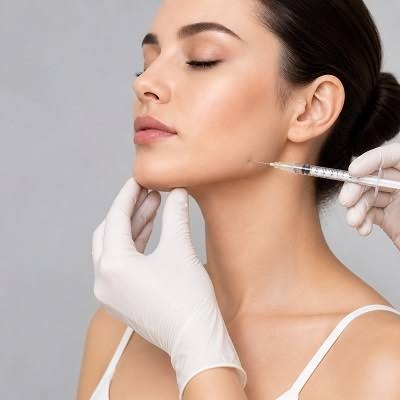
1. Avoid Touching, Rubbing, or Massaging the Treated Area
One of the most important aftercare recommendations is to avoid unnecessary touching or manipulation of the treated area. Following fat melting injections, temporary swelling, redness, tenderness, and bruising may occur as part of the body's response to treatment.
Constantly touching, rubbing, or massaging the area can increase irritation and make the treated skin more uncomfortable. It may also aggravate existing bruising or tenderness.
For better recovery, individuals should consider the following precautions:
Avoid rubbing or scratching the injection sites.
Do not massage the treated area unless specifically instructed by the treating professional.
Avoid applying unnecessary pressure when washing or drying the skin.
Keep hands clean when touching the surrounding area.
Follow the recommended instructions for cleaning and caring for injection sites.
Although some cosmetic treatments involve massage as part of their aftercare, this should not automatically be assumed for fat-dissolving injections. The appropriate approach depends on the product used and the treatment area.
2. Avoid Strenuous Exercise Immediately After Treatment
Physical activity is beneficial for general health, but intense exercise may not be suitable immediately after fat melting injections. Activities that significantly increase heart rate, blood circulation, and body temperature can potentially worsen temporary swelling or bruising.
High-intensity workouts may also cause additional discomfort in areas that are already sensitive following treatment.
Activities that may need to be temporarily avoided include:
Heavy weightlifting.
High-intensity interval training.
Running and vigorous cardio.
Intense cycling sessions.
Contact sports and physically demanding activities.
Light walking is generally a more comfortable option for many individuals, provided there is no significant discomfort and the treating professional has not advised otherwise.
The duration of exercise restrictions varies depending on the injection product, treatment area, and individual recovery. Many aftercare instructions recommend avoiding strenuous exercise for approximately 24 to 48 hours, although some treatments may require a different recovery schedule.
Gradually returning to normal exercise can help individuals maintain a healthy lifestyle without placing unnecessary stress on the treated area.
3. Avoid Alcohol and Smoking During the Initial Recovery Period
Lifestyle habits can influence the body's recovery process. Alcohol and smoking are two factors that individuals should consider limiting after fat melting injections.
Alcohol may contribute to dehydration and can potentially make swelling or bruising more noticeable. It may also interact with certain medications used during recovery.
Smoking introduces nicotine and other substances that can affect blood circulation. Nicotine causes blood vessels to narrow, potentially reducing oxygen delivery to tissues. This may interfere with normal tissue healing.
For these reasons, individuals are generally encouraged to:
Avoid alcohol during the initial recovery period.
Limit or stop smoking, particularly around the time of treatment.
Maintain adequate hydration.
Follow any additional lifestyle recommendations provided by the treating professional.
Avoiding alcohol and smoking does not guarantee better cosmetic results, but these precautions can support general health and may help create more favourable conditions for recovery.
4. Avoid Excessive Heat and Direct Sun Exposure
The skin may become sensitive following fat melting injections. Excessive heat and prolonged sun exposure can sometimes increase discomfort, redness, and swelling in the treated area.
For this reason, it is sensible to avoid activities that expose the skin to excessive heat during the early recovery period.
Examples include:
Saunas and steam rooms.
Hot tubs and very hot baths.
Heated beauty treatments.
Sunbathing.
Prolonged exposure to direct sunlight.
Individuals should also avoid tanning beds while the treated area is recovering.
If the treatment area is exposed to sunlight, suitable sun protection should be used once the injection sites have closed and the skin can tolerate topical products. Clothing and shade can also provide protection.
The treating professional may recommend avoiding excessive heat for 24 to 48 hours or longer, depending on the treatment and the individual's response.
Taking these precautions can help reduce unnecessary skin irritation and make the recovery period more comfortable.
5. Avoid Certain Medications and Unapproved Skincare Products
Another important consideration after fat melting injections is the use of medications and skincare products. Some substances may increase the likelihood of bruising, irritation, or discomfort.
For example, certain pain relievers and supplements can affect blood clotting. Aspirin and non-steroidal anti-inflammatory medications may increase bruising risk in some individuals. However, prescribed medication should never be stopped without medical advice.
Individuals should discuss the use of the following with their treating professional:
Aspirin and other blood-thinning medications.
Certain anti-inflammatory medicines.
Fish oil supplements.
Vitamin E supplements.
Herbal products that may affect blood clotting.
Skincare also requires attention. Strong exfoliants, retinoids, chemical peels, and products containing irritating ingredients may cause additional sensitivity if applied too soon.
It is generally advisable to keep skincare simple during the initial recovery period. Gentle cleansing and avoiding unnecessary products around the injection sites can help minimise irritation.
Any medication or skincare restriction should be based on individual circumstances rather than general assumptions.
6. Avoid Expecting Immediate Results or Ignoring Warning Signs
Fat melting injections do not usually produce instant visible results. The body needs time to process the treated fat cells and gradually eliminate their contents.
Some individuals may notice temporary swelling after treatment, which can initially make the area appear larger rather than smaller. This is generally a temporary response, and the final cosmetic outcome may take several weeks to become noticeable.
Depending on the product and treatment area, results may continue developing over several weeks or months.
Individuals should avoid:
Judging the final outcome immediately after treatment.
Repeating injections too soon without professional assessment.
Comparing their recovery with someone else's experience.
Ignoring unusual or worsening symptoms.
Attempting additional fat reduction treatments without appropriate guidance.
Mild swelling, tenderness, redness, and bruising can occur after injections. However, severe or worsening pain, spreading redness, increasing warmth, fever, skin discolouration, or unusual drainage should not be ignored.
Difficulty swallowing or breathing, particularly after injections around the chin or neck, requires immediate emergency medical attention.
Follow-up appointments are also important because they allow the treating professional to assess healing, discuss progress, and determine whether additional treatment is appropriate.
Additional Aftercare Tips for Better Recovery
Avoiding certain activities is only one part of post-treatment care. A few simple habits can help individuals feel more comfortable while their bodies recover.
Stay Hydrated: Drinking enough water supports normal bodily functions and helps maintain overall health. Although hydration does not directly dissolve fat cells, it is an important part of general recovery.
Maintain a Balanced Diet: A nutritious diet containing vegetables, fruits, lean proteins, and whole grains supports overall wellbeing. Fat melting injections should not be viewed as a replacement for healthy eating habits.
Get Enough Rest: Adequate sleep allows the body to carry out its normal repair processes. Individuals should avoid activities that cause unnecessary discomfort in the treated area while resting.
Follow Individualised Instructions: Different fat-dissolving products have different ingredients, treatment protocols, and aftercare requirements. The instructions provided by the treating professional should always take priority over general advice.
Attend Follow-Up Appointments: Follow-up assessments help monitor recovery and evaluate the treatment outcome. They also provide an opportunity to discuss any concerns or unexpected changes.
Frequently Asked Questions
1. How Long Should Someone Avoid Exercise After Fat Melting Injections?
Many individuals are advised to avoid strenuous exercise for approximately 24 to 48 hours following treatment. However, the appropriate duration depends on the injection product, treatment area, and individual recovery. Light walking may be suitable if it does not cause discomfort. The treating professional's instructions should always be followed.
2. Can Someone Shower After Fat Melting Injections?
In most cases, gentle showering is permitted after treatment. However, individuals should avoid very hot water, vigorous scrubbing, and applying pressure to the injection sites. They should also follow specific instructions regarding when it is safe to wash the treated area.
3. Is Swelling Normal After Fat Melting Injections?
Yes, swelling is a common temporary reaction after many fat-dissolving injection treatments. Redness, tenderness, bruising, and mild discomfort may also occur. The swelling generally improves gradually, although the recovery period varies. Severe or worsening swelling should be assessed by a medical professional.
4. Can Someone Drink Alcohol After Fat Melting Injections?
It is generally advisable to avoid alcohol during the initial recovery period because it may contribute to dehydration and potentially worsen bruising or swelling. Many aftercare recommendations suggest avoiding alcohol for at least 24 to 48 hours, although individual instructions may differ.
5. When Do Results Become Visible After Fat Melting Injections?
Results usually develop gradually rather than appearing immediately. The body needs time to process the treated fat cells, and visible changes may take several weeks. Depending on the product, treatment area, and individual response, the full outcome may take several months to develop.
6. What Should Someone Do If They Experience Severe Pain After Treatment?
Severe, increasing, or unusual pain should not be considered a normal part of recovery. The individual should contact the treating professional promptly for assessment. If there is difficulty breathing or swallowing, emergency medical attention is necessary. Other concerning symptoms, such as fever, spreading redness, skin discolouration, or unusual drainage, also require prompt medical evaluation.
Final Thoughts
Proper aftercare is an important part of the fat reduction journey. Although fat melting injections are non-surgical, the treated area still needs time to recover. Avoiding strenuous exercise, excessive heat, alcohol, smoking, unnecessary massage, and irritating skincare products can help minimise avoidable discomfort during the initial healing period.
Individuals should also remember that results develop gradually and that everyone's recovery experience is different. Following product-specific aftercare instructions, maintaining healthy lifestyle habits, and attending recommended follow-up appointments can help support a smoother recovery.
Ultimately, understanding what to avoid after treatment allows individuals to make informed decisions and take a more responsible approach to their cosmetic treatment journey.
Read More About Fat Melting Injections: https://socialfollow.demo4.dedicatedhost247.com/blogs/25541/Why-Are-Fat-Melting-Injections-Becoming-So-Popular