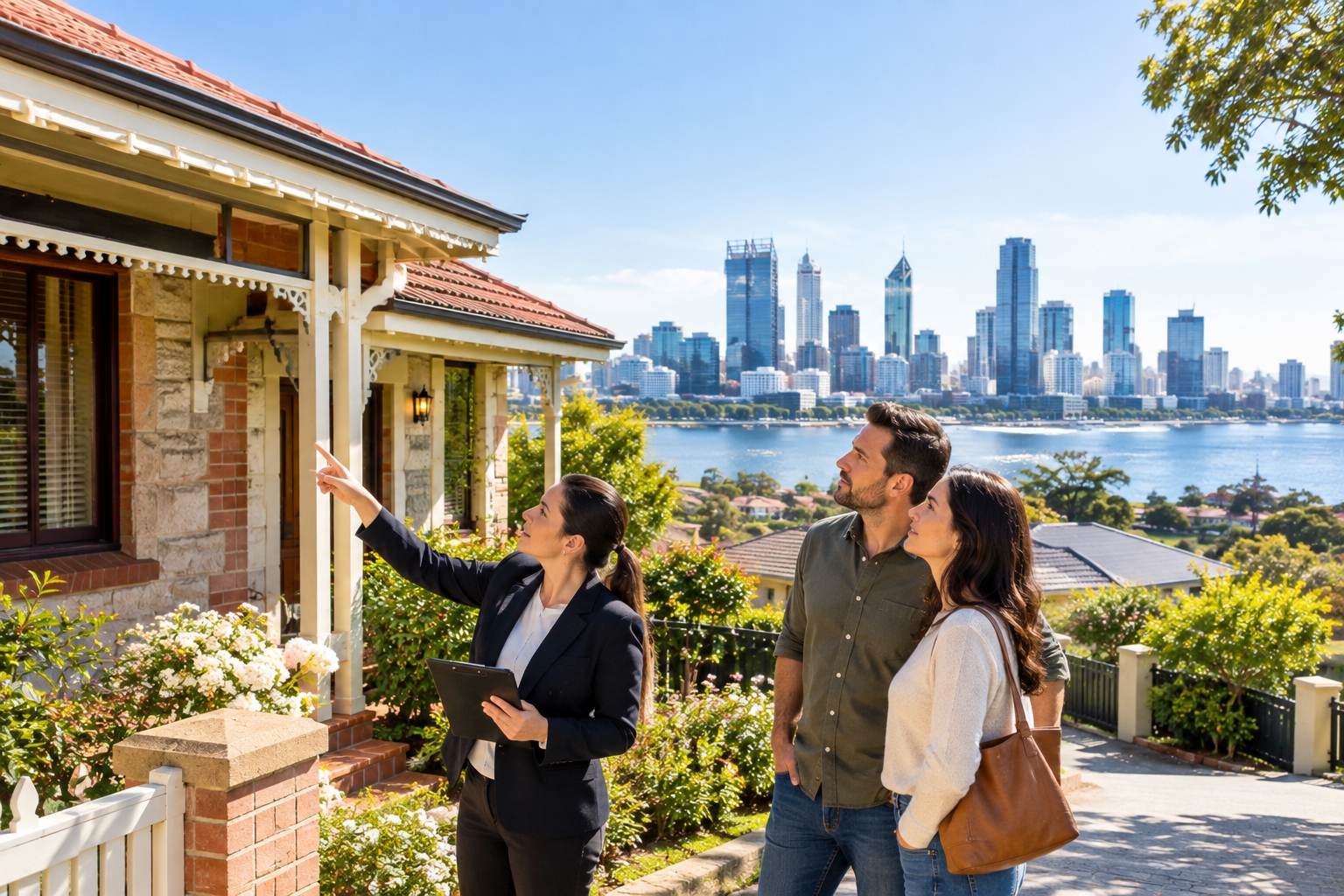
There's something genuinely appealing about an older South Perth home, the character, the solid brickwork, the mature garden that's clearly been growing for decades. But that same charm can hide problems a newer build simply wouldn't have. If you're inspecting a character home in this pocket of Perth, walking through with your eyes wide open matters just as much as falling in love with the view or the jacaranda out front. Here's exactly what deserves a closer look before you sign anything.
Why Older South Perth Homes Deserve Extra Attention
South Perth's older housing stock spans everything from post war brick and tile homes to renovated 1960s builds sitting on some of the suburb's most sought after streets. Age brings character, but it also brings decades of wear that isn't always visible during a quick weekend walkthrough. Buyers who take the time to inspect properly, rather than getting swept up purely in the view or the street appeal, tend to avoid the expensive surprises that catch others off guard after settlement.
Structural Elements Worth Inspecting Closely
1. Roof Condition and Age
Older tile or tin roofs can be nearing the end of their functional life without any obvious visible damage from ground level. Ask directly when the roof was last inspected or replaced, and look for sagging lines or missing tiles that might hint at deeper issues.
2. Foundation and Wall Cracking
Hairline cracks are common and usually harmless in older homes, but wider cracks, particularly ones that run diagonally from door and window frames, deserve a proper professional assessment rather than being dismissed as simply cosmetic.
3. Subfloor and Timber Framing
Many older South Perth homes still have timber subfloors, which can develop rot or termite damage over decades, especially in areas with poor ventilation underneath the house. A proper inspection should always include checking beneath the home, not just what's visible at floor level.
4. Signs of Rising Damp
Bubbling paint near skirting boards, a musty smell in lower rooms, or discoloured plaster near the base of walls can all point toward rising damp, a common issue in older brick homes that weren't built with modern damp proofing.
Services and Systems That Often Show Their Age
1. Electrical Wiring and Switchboards
Older ceramic fuse boxes and outdated wiring are still fairly common in unrenovated homes and can represent a genuine safety concern, along with a meaningful upgrade cost. It's worth asking directly whether the electrical system has been updated to current standards.
2. Plumbing and Hot Water Systems
Galvanised steel pipes, common in homes built before the 1970s, corrode internally over time and can eventually cause reduced water pressure or leaks. Checking the age and condition of the hot water system is a simple, cheap step that can save a genuinely expensive surprise later.
3. Insulation and Ventilation
Many older homes were built without ceiling insulation, which affects comfort and energy costs significantly, particularly through Perth's hot summers. Poor subfloor or roof ventilation can also accelerate timber decay over time, so it's worth checking both areas properly.
Pest and Environmental Checks Specific to the Area
1. Termite Activity and History
Western Australia's climate makes termite activity a genuine ongoing concern, and older homes with timber elements are particularly susceptible. Always request a current pest inspection report, and ask specifically about any past treatment history on the property.
2. Asbestos in Older Construction
Homes built before the mid 1980s commonly contain asbestos in areas like eaves, older bathrooms, or garden sheds. It's not automatically a dealbreaker, but knowing where it exists helps you plan any future renovation work safely and avoid unexpected costs.
3. Drainage and Flood Considerations Near the River
Given South Perth's proximity to the Swan River, it's worth checking whether a property sits within any flood or drainage overlay, along with how the block handles stormwater during heavy rain. This information is generally available through council records and is worth confirming before you commit.
Practical Steps Before You Make an Offer
1. Booking a Proper Building and Pest Inspection
A qualified inspector will catch far more than the average buyer walking through casually ever could. This step is genuinely non negotiable for an older home, regardless of how solid or well presented it appears on the surface.
2. Asking for Council and Title Records
Checking for unapproved structures, past renovation permits, or heritage restrictions through the local council helps avoid inheriting a legal headache after settlement. This is especially relevant in a suburb like South Perth, where character homes sometimes carry heritage considerations worth understanding upfront.
3. Getting Local Guidance From Someone Who Knows the Suburb
A knowledgeable real estate agency Perth buyers can trust, particularly one with genuine experience in South Perth specifically, can often flag which streets or property types tend to carry certain age related issues, insight that's difficult to replicate through a single inspection alone.
Weighing Character Against Condition
Buying an older home is a bit like adopting an older dog rather than a puppy. There's real character and history there, but you need honest eyes open about ongoing care and the occasional unexpected vet bill. A thorough inspection doesn't mean walking away from a beautiful older South Perth property, it simply means going in with a clear, realistic picture of exactly what you're taking on, and negotiating accordingly where genuine issues turn up.
Conclusion
Older homes in South Perth offer genuine character and often sit on some of the suburb's most desirable streets, but that appeal comes with age related considerations worth checking properly before you commit. Roof condition, wiring, plumbing, and pest activity all deserve honest attention rather than being overlooked in the excitement of falling for a period home near the river. Whether you're buying here or eventually planning to sell my house Perth wide down the track, working with an experienced real estate agency Perth locals already trust means these details get flagged honestly from the very start, rather than surfacing as unwelcome surprises after settlement.
FAQs
1. Are older South Perth homes generally more expensive to maintain?
They can be, particularly if original wiring, plumbing, or roofing haven't been updated, though many buyers find the character and land value genuinely worth the trade off with proper planning.
2. Is asbestos automatically a dealbreaker in an older home?
Not necessarily. It's common in homes built before the mid 1980s and is generally safe if left undisturbed, though it's worth knowing its location before undertaking any future renovation work.
3. How important is a building inspection for a character home?
Extremely important. A qualified inspector can identify structural, pest, and safety issues that simply aren't visible during a standard walkthrough, protecting you from costly surprises after settlement.
4. Should I worry about flooding if a property is near the Swan River?
It's worth checking council records for any flood or drainage overlays specific to the property, since proximity to the river doesn't automatically mean risk, but it does deserve proper confirmation before purchasing.
5. Can a local real estate agency Perth buyers use help identify hidden issues before I make an offer?
Yes, an experienced local agent often has insight into specific streets or property types within South Perth that tend to carry known age related considerations, adding a valuable layer of local knowledge alongside a formal building inspection.