
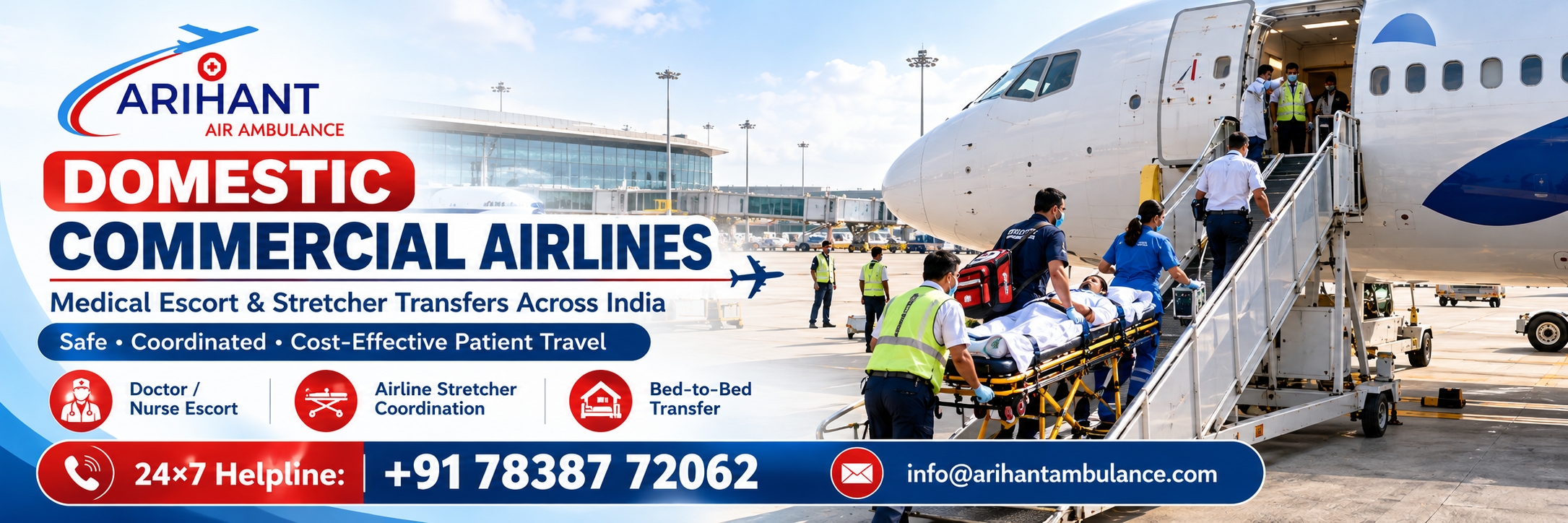
Most of us board a flight thinking about the weather, the baggage, or whether the seat will be comfortable. Very few of us think about what happens if someone gets sick at 30,000 feet. Then it happens to a co-passenger, or to you, and suddenly the question feels urgent.
The good news is that Domestic Commercial Airlines are better prepared than many travelers realize.
Who Helps If a Passenger Falls Ill During the Flight?
The cabin crew responded first. They are trained to handle common emergencies such as fainting, breathing trouble, chest pain, and allergic reactions. They stay calm, assess the person, and use the onboard supplies.
If the situation is serious, the crew usually makes an announcement asking whether a doctor or nurse is traveling on the flight. Medical professionals often volunteer, and the crew support them with whatever equipment is needed.
What Medical Equipment Is Kept Onboard?
Aircraft carry more than most people expect. A standard first aid kit holds bandages, antiseptic, pain relief, and basic dressings. Larger aircraft also carry an emergency medical kit meant for use by a doctor, along with oxygen cylinders and, on many flights, a defibrillator for cardiac emergencies.
This equipment will not turn a cabin into an intensive care unit.
What Happens in an Emergency Mid-Air?
During an in-flight medical emergency, the crew informs the pilots right away. The pilots can contact ground-based medical advisors who guide the response by radio. If the passenger needs urgent hospital care, the captain may decide to divert to the nearest suitable airport.
That decision is never taken lightly, because diversions affect everyone onboard. But when a life is at risk, patient safety comes first.
Will an Ambulance Be Waiting After Landing?
In most serious cases, yes. The crew alert the destination airport in advance, so medical staff and an ambulance can meet the aircraft on arrival. Other passengers are usually asked to stay seated until the patient has been attended to. It can feel like a long wait, but it helps the medical team work without pressure.
Can You Travel If You Already Have a Health Condition?
Often you can, but it pays to plan. Many airlines ask for a medical clearance form signed by your doctor, which confirms that you are fit for air travel.
Do this before you book or at least several days before departure. Last-minute surprises at the check-in counter are stressful for everyone.
What About Wheelchairs and Mobility Support?
Airlines offer wheelchair help from the check-in desk to the aircraft door, and again after landing. Staff will help with boarding and seating, and elderly passengers or those with limited mobility often find the service very reassuring.
Is It Safe to Fly While Pregnant?
For most healthy pregnancies, yes, in the early and middle months. Airlines set their own limits for later stages and may ask for a doctor's letter beyond a certain week. Always check your airline's rules and speak to your doctor before booking.
Can You Carry Your Own Medicines?
Yes, and you should. Keep all essential medicines in your hand baggage, never in checked luggage, along with a copy of the prescription. This matters for insulin, inhalers, heart medication, and anything you cannot go without. If you use a portable oxygen device, ask the airline in advance whether it is permitted, because rules differ.
What Can Passengers Do to Stay Prepared?
A little preparation goes a long way:
Carry a short note listing your conditions, allergies, and medicines
Keep an emergency contact saved on your phone
Drink water and move around on longer flights
Tell the crew early if you feel unwell, rather than waiting
Let a travel companion know about your health needs
Small habits like these can make a big difference when something unexpected happens.
When Is a Commercial Flight Not Enough?
Sometimes a patient is too unwell to sit upright in a regular seat, or needs continuous monitoring, a ventilator, or a stretcher. In those cases, a normal passenger flight is not suitable, and a dedicated medical aircraft with a full care team is the safer choice. Your doctor can tell you which option fits the condition.
Conclusion
Air travel is generally very safe, and the medical support available is more thorough than most people assume. As this blog has explained, trained crew, onboard equipment, ground-based advice, and quick coordination with airports all work together when someone needs help. Understanding how Domestic Commercial Airlines handle these situations can help you feel calmer before you fly.
If you have a health condition, take a few minutes to plan ahead, carry your medicines, and talk to your doctor. We hope this blog helps you travel with a little more confidence and a lot less worry.