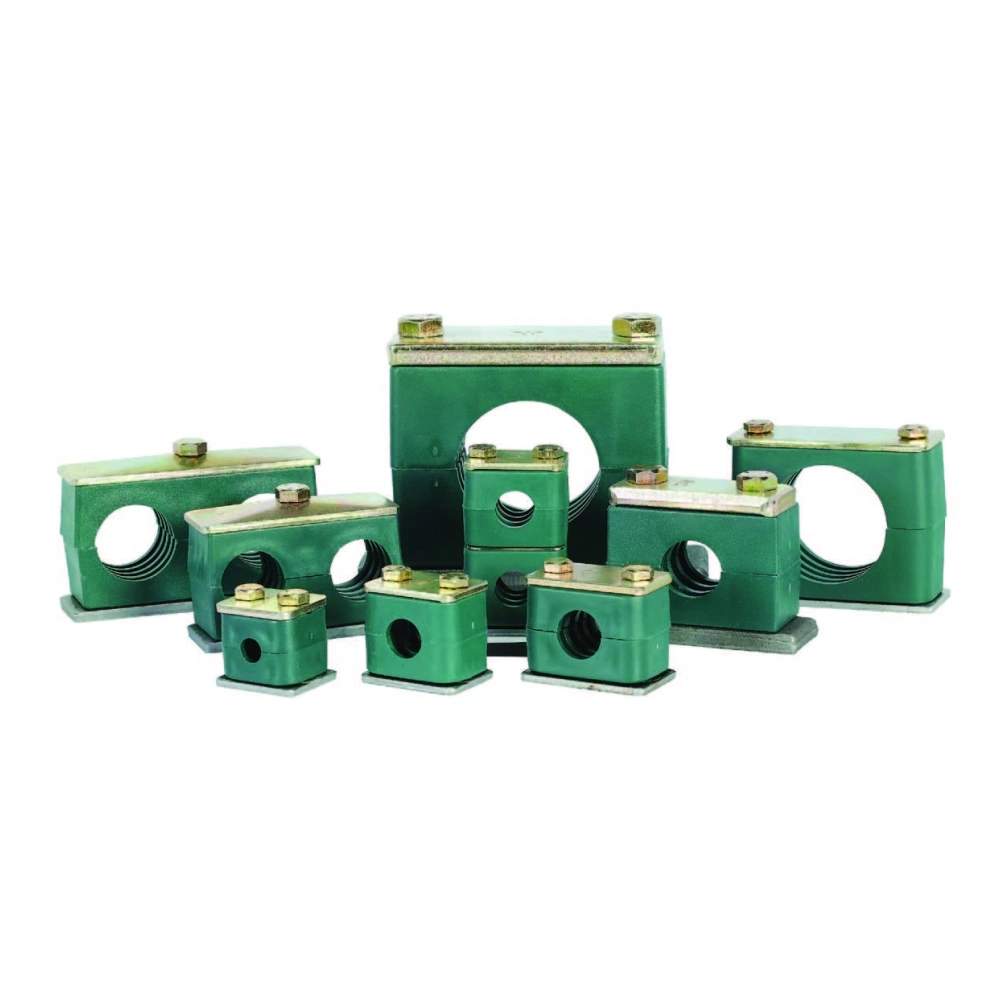
Industrial piping systems often operate under demanding conditions, including heavy loads, vibration, temperature changes, moisture, and exposure to chemicals. In such environments, even small supporting components can have an important role in maintaining system stability. A pipe clamp is one of the commonly used components for securing and supporting pipes while helping reduce unnecessary movement. However, not every clamp is suitable for every industrial application. The right choice depends on several important factors.
Material Selection
Material is one of the first factors to consider when selecting a pipe clamp for industrial use. Clamps may be manufactured from materials such as stainless steel, carbon steel, galvanized steel, or other engineered materials. The appropriate option depends on the operating environment and the level of corrosion resistance required.
For outdoor installations, humid areas, chemical processing facilities, and other corrosive environments, a corrosion-resistant material can help improve service life. Stainless steel options are often considered where resistance to moisture and corrosion is particularly important.
Load-Bearing Capacity
Industrial pipes can be heavy, especially when they contain water, oil, chemicals, steam, or other process materials. A suitable pipe clamp must therefore be capable of supporting the combined weight of the pipe and its contents.
The clamp should be selected according to the pipe diameter, weight, installation arrangement, and expected load. Using an undersized or unsuitable clamp may result in excessive movement, deformation, or premature failure. Proper load assessment helps ensure that the entire support system remains stable during operation.
Resistance to Vibration
Pumps, compressors, motors, and other industrial equipment can generate continuous vibration. If piping is not properly supported, these vibrations can transfer through the system and contribute to loosening, noise, fatigue, or damage.
A well-designed pipe clamp helps restrict unwanted movement while keeping the pipe securely positioned. Depending on the application, cushioned or lined clamps can also help reduce direct metal-to-metal contact and minimize vibration transmission.
Temperature and Operating Conditions
Industrial piping may be exposed to significant temperature variations. Steam and high-temperature process lines can cause thermal expansion, while refrigerated systems may experience contraction. A suitable pipe clamp should accommodate the movement expected from the piping system without creating excessive stress.
For high-temperature applications, the clamp material, lining, and mounting arrangement should all be compatible with the operating temperature. Selecting components based on actual service conditions can help improve reliability.
Corrosion and Environmental Protection
Industrial installations may be exposed to water, humidity, chemicals, salt, dust, and other environmental factors. Corrosion can weaken support components over time, making surface protection an important consideration.
Galvanized coatings, stainless steel construction, and other protective finishes can provide additional resistance depending on the environment. The selected clamp should match the conditions in which it will be installed rather than being chosen solely based on appearance or price.
Proper Size and Installation
Correct sizing is essential for effective pipe support. A clamp should fit the outside diameter of the pipe appropriately without creating excessive pressure or allowing unnecessary movement.
Installation is equally important. Incorrect positioning, inadequate tightening, or unsuitable mounting hardware can reduce the effectiveness of even a high-quality clamp. Following manufacturer recommendations and project specifications helps ensure proper installation.
Long-Term Reliability
Industrial facilities require components that can perform consistently over extended periods. A reliable pipe clamp should combine suitable material, adequate strength, dimensional accuracy, environmental resistance, and compatibility with the piping system.
Choosing the right component also means considering maintenance requirements, replacement availability, and the overall design of the support system. A properly selected clamp can contribute to safer and more organized piping installations while reducing the likelihood of avoidable maintenance issues.
Conclusion
A suitable pipe clamp for industrial environments needs to do more than simply hold a pipe in place. It should withstand the expected load, vibration, temperature, moisture, and environmental conditions while providing dependable support. By considering material, load capacity, corrosion resistance, temperature compatibility, size, and installation requirements, industrial operators can select clamps that contribute to stable and reliable piping systems.