
Game fishing is different from ordinary recreational fishing because anglers may target larger and stronger marine species. Offshore conditions can also make the activity more physically demanding. As a result, equipment needs to be selected according to the target species, fishing technique, water depth, boat type, and expected weather conditions.
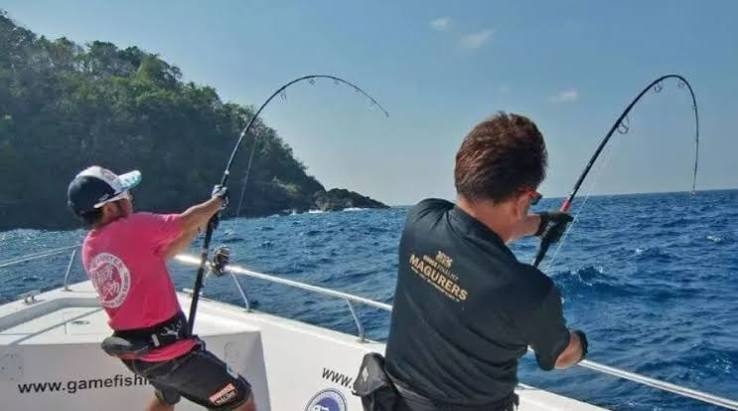
For Game Fishing in Andaman, equipment can generally be divided into two groups: fishing equipment and personal or safety equipment. Fishing equipment includes rods, reels, lines, leaders, hooks, lures, and other tackle. Personal equipment includes suitable clothing, footwear, sun protection, hydration supplies, and other items needed for spending several hours at sea.
Not every angler needs to purchase a complete collection of equipment. Many fishing trips provide the main fishing gear, while travelers may only need to bring personal essentials. However, understanding the purpose of each item makes it easier to determine what is actually required.
1. Fishing Rods
The fishing rod is one of the most important pieces of equipment. A suitable rod needs to handle the expected size and strength of the fish while remaining manageable for the angler.
Game fishing rods are generally stronger than rods designed for light recreational fishing. Their length, power, action, and construction can vary depending on the technique being used.
For offshore fishing, the rod should have enough strength to withstand repeated pressure from a powerful fish. At the same time, it should not be unnecessarily heavy because anglers may need to hold and control it for extended periods.
Different techniques can require different rods. For example, trolling equipment may differ from rods used for jigging or bottom fishing.
When choosing a rod, consider:
Target fish species
Fishing technique
Line strength
Rod power
Rod action
Expected fishing depth
Duration of the trip
Angler experience
Using equipment that is too light can increase the possibility of equipment failure, while excessively heavy equipment can make fishing uncomfortable.
2. Fishing Reels
The reel works together with the rod and stores the fishing line. For offshore game fishing, the reel needs to provide sufficient line capacity and a reliable drag system.
The drag system is particularly important when targeting strong fish. It allows controlled resistance as the fish pulls the line. A properly adjusted drag can help prevent sudden line breaks while allowing the angler to maintain pressure.
Both spinning and conventional reels can be used for different fishing situations. The choice depends on fishing technique, target species, personal experience, and the equipment available on the boat.
A suitable offshore reel should have:
Adequate line capacity
A dependable drag system
Smooth operation
Corrosion-resistant components
Suitable gear ratio
Construction appropriate for saltwater
Saltwater can be harsh on fishing equipment, so cleaning and maintenance are important after every trip.
3. Fishing Lines and Leaders
Fishing line connects the reel to the terminal tackle and ultimately to the fish. Choosing the correct line is essential because different species and techniques place different demands on the line.
Braided lines are commonly used in many offshore fishing applications because they provide high strength relative to their diameter. Their relatively thin profile can also be useful when fishing deeper water.
A leader is attached between the main line and the hook or lure. Leaders can provide additional abrasion resistance and may be particularly useful when fishing around structures or species with sharp teeth.
The choice of leader depends on:
Target species
Water conditions
Fishing technique
Hook or lure type
Expected abrasion
Main-line strength
The knots connecting the main line, leader, lure, and hook should also be reliable. A strong line cannot compensate for a poorly made connection.
4. Hooks and Terminal Tackle
Hooks are available in many sizes and designs. The appropriate hook depends on the bait, lure, target species, and fishing technique.
Terminal tackle can include:
Hooks
Swivels
Snap connectors
Sinkers
Leaders
Split rings
Crimps
Assist hooks
Rigging components
For saltwater fishing, these components should be suitable for marine conditions. Ordinary freshwater tackle may not always provide the corrosion resistance or strength required for offshore fishing.
It is also useful to carry spare terminal tackle. Hooks can become damaged, lines can become tangled, and rigs may need to be changed during a trip.
5. Lures and Baits
Lures imitate prey and are used with a variety of fishing techniques. The correct lure depends heavily on the target species and fishing conditions.
Common categories include:
Trolling lures
Metal jigs
Soft lures
Surface lures
Spoons
Plugs
Artificial bait imitations
Some fishing methods use natural bait instead of artificial lures. The choice may depend on local fishing practices, target species, and the regulations or guidelines applicable to the area.
When selecting lures, anglers should consider their size, weight, movement, color, depth range, and suitability for the intended fishing method.
Carrying a variety of lure options can be useful because fish behavior can change with water conditions, depth, light levels, and prey availability.
6. Fishing Harnesses and Fighting Belts
When targeting powerful fish, fighting belts and harnesses can help distribute pressure across the angler's body.
A fighting belt provides a point of support for the rod butt, helping the angler maintain control while applying pressure to a fish. A harness can distribute pulling force more effectively and reduce the amount of pressure placed on the arms.
These items are particularly relevant during longer battles with strong fish.
However, beginners should receive guidance on how to use them correctly. Improper positioning can make the fight uncomfortable rather than easier.
7. Rod Holders and Supporting Equipment
A fishing boat may have rod holders positioned around the deck. These allow rods to remain secure when they are not being actively held.
Additional supporting equipment can include:
Pliers
Line cutters
Scissors
Hook removers
Measuring tools
Fish-handling gloves
Landing nets where appropriate
Gaffs where legally and practically appropriate
These tools should be handled carefully, especially hooks, knives, and other sharp equipment.
A pair of corrosion-resistant fishing pliers is particularly useful because they can assist with removing hooks, cutting line, and making small tackle adjustments.
8. Safety Equipment
Safety equipment is just as important as fishing equipment when spending time offshore.
A responsible boat setup should include appropriate safety equipment such as:
Life jackets or personal flotation devices
First-aid supplies
Emergency communication equipment
Navigation equipment
Fire-safety equipment
Emergency signaling equipment
Adequate lighting
Passengers should know where the safety equipment is stored and understand basic emergency procedures before departure.
Weather and sea conditions can change, so fishing should never be planned around equipment alone. The boat, crew, route, and weather conditions are equally important considerations.
9. Clothing and Personal Essentials
The right personal gear can make a significant difference during a full day on the water.
Recommended items can include:
Lightweight, breathable clothing
Quick-drying shirts
Sun-protective clothing
Non-slip footwear
Sunglasses
Wide-brimmed hat or cap
Sunscreen
Drinking water
Personal medication if required
Waterproof bags for valuables
Sun exposure can be intense on open water because there is little shade and sunlight can reflect from the sea surface.
Polarized sunglasses can also be useful for reducing glare and improving visibility across the water, although their usefulness varies according to weather and light conditions.
10. Navigation and Communication Equipment
Offshore fishing depends on accurate navigation and communication. Boats generally use equipment such as GPS systems, marine communication devices, depth finders, and other navigation tools.
A fish finder or sonar system can provide information about underwater depth and structures. Depending on the fishing method, this information may help identify potentially productive areas.
Communication equipment is also important for safety. Boats operating offshore should have appropriate means of communicating with shore or other vessels when necessary.
Travelers do not normally need to purchase this equipment themselves when joining an organized fishing trip. However, understanding what equipment is used onboard can help them assess the overall preparedness of the boat.
11. Storage and Fish Handling Equipment
Fishing equipment needs to remain organized throughout the trip. Tackle boxes, waterproof containers, and storage compartments help prevent equipment from becoming damaged or lost.
Saltwater can quickly affect metal components, electronics, clothing, and personal belongings. Waterproof bags can therefore be useful for phones, wallets, cameras, and documents.
Fish-handling equipment depends on the fishing method and local practices. Where catch-and-release fishing is practiced, appropriate handling tools can help reduce unnecessary stress or injury to the fish.
Anglers should follow local rules and responsible fishing practices regarding the handling, retention, and release of fish.
12. Equipment for Different Fishing Techniques
The equipment required can change considerably depending on the technique.
Trolling
Trolling generally involves moving the boat while presenting lures or bait behind it. Strong rods, suitable reels, durable lines, leaders, and trolling lures are commonly required.
Jigging
Jigging uses weighted lures that are moved through the water column. Rods and reels need to be appropriate for the weight of the jig and the depth being fished.
Bottom Fishing
Bottom fishing requires equipment capable of reaching the desired depth while handling the weight of the sinker and potential fish.
Casting
Casting requires equipment that allows an angler to accurately present a lure or bait. Rod length, reel design, lure weight, and line selection all influence casting performance.
Because these techniques are different, one setup may not be ideal for every situation.
13. What Beginners Should Carry
Beginners do not necessarily need to invest in expensive equipment before their first offshore fishing experience.
If the fishing provider supplies rods, reels, tackle, bait, and other fishing equipment, travelers can focus mainly on personal items.
A basic personal checklist can include:
Comfortable clothing
Non-slip footwear
Hat or cap
Sunglasses
Sunscreen
Drinking water
Waterproof phone pouch
Light rain protection
Personal identification
Motion-sickness supplies if normally used
Before departure, beginners should confirm exactly what fishing equipment is included and what they are expected to bring themselves.
14. How to Check Equipment Before a Trip
Equipment should be inspected before leaving the shore.
Check the rod for visible damage, ensure the reel operates smoothly, and examine the fishing line for signs of wear. Hooks should be sharp and free from excessive corrosion, while leaders and knots should be checked carefully.
Important checks include:
Inspect the rod guides.
Check the reel and drag.
Examine the main line.
Inspect leaders and knots.
Confirm hooks and lures are suitable.
Check that safety equipment is available.
Secure personal belongings.
Confirm communication arrangements.
Review expected weather and sea conditions.
Ask the crew about the fishing method.
These simple checks can prevent avoidable equipment problems during the trip.
Conclusion
The equipment required for Game Fishing in Andaman depends on several factors, including the target species, fishing technique, water depth, boat setup, and duration of the trip. Rods, reels, lines, leaders, hooks, lures, and terminal tackle form the core fishing setup, while safety equipment, suitable clothing, sun protection, and waterproof storage support the overall experience.
Beginners do not necessarily need to purchase every item themselves. Many offshore fishing trips provide the primary fishing equipment, making it important to confirm inclusions before departure. Whether using trolling, jigging, casting, or bottom-fishing techniques, choosing equipment suited to the conditions is more important than simply selecting the most expensive gear.
For a successful and responsible fishing experience, equipment should be combined with proper preparation, awareness of sea conditions, safe boat practices, and appropriate fish-handling methods.