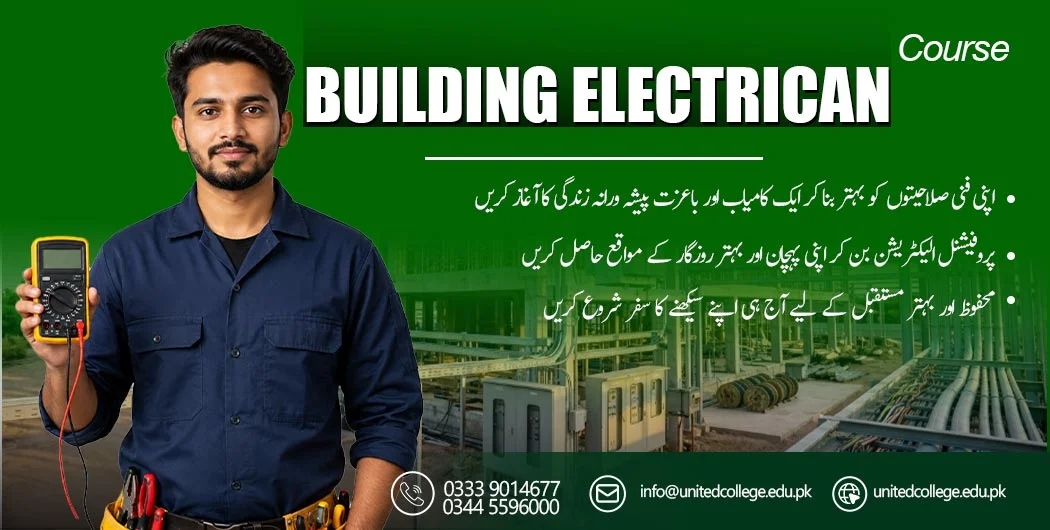
Electricity is one of the most important parts of every modern building. From lights and fans to power outlets, security systems, and electrical equipment, almost everything depends on a safe and reliable electrical system. This is where a Building Electrician plays an important role.
A Building Electrician installs, maintains, tests, and repairs electrical systems in residential, commercial, and other types of buildings. Their work requires technical knowledge, practical skills, attention to detail, and a strong understanding of electrical safety.
If you are thinking about starting an electrical career, understanding the duties of a Building Electrician can help you decide whether this field is suitable for you.
What Does a Building Electrician Do?
A Building Electrician is responsible for working with electrical wiring, equipment, fixtures, and systems inside buildings. Their daily work can change depending on the type of project and the electrical requirements of the building.
During new construction, an electrician may install electrical wiring before walls and ceilings are completed. In an existing building, the electrician may inspect old wiring, identify faults, replace damaged components, or install new electrical equipment.
The main goal is to make sure electrical systems operate correctly while meeting required safety standards.
Installing Electrical Wiring
One of the main duties of a Building Electrician is installing electrical wiring. Wiring carries electricity from the main electrical supply to different areas of a building.
An electrician studies electrical plans and determines where cables, switches, sockets, lights, and other electrical components need to be installed. The wiring must be installed carefully to reduce the risk of electrical faults, overheating, or short circuits.
Proper wiring is especially important in large buildings where many electrical appliances and systems may operate at the same time.
Installing Lights, Switches, and Outlets
A Building Electrician also installs electrical fixtures such as lights, switches, power outlets, ceiling fans, and other common electrical devices.
They connect these components to the electrical wiring and test them to make sure they work correctly. The electrician may also replace old fixtures with modern and energy-efficient options.
In commercial buildings, the work can involve a much larger number of lighting fixtures and outlets. This requires careful planning and accurate installation.
Inspecting Electrical Systems
Electrical systems need regular inspection to identify potential problems before they become serious. A Building Electrician checks wiring, connections, electrical panels, switches, outlets, and other components.
During an inspection, the electrician may look for loose connections, damaged cables, overheating, unusual sounds, burning smells, or other signs of electrical problems.
Regular inspections can help building owners identify faults early and keep electrical systems operating safely.
Finding and Repairing Electrical Faults
Electrical faults can cause power failures, damaged equipment, and serious safety risks. Finding the source of a fault is another important responsibility of a Building Electrician.
An electrician uses appropriate testing tools to check circuits and identify problems. The fault may be caused by damaged wiring, a faulty switch, a damaged outlet, an overloaded circuit, or another electrical component.
After identifying the problem, the electrician repairs or replaces the faulty component and tests the system again.
Maintaining Electrical Panels
Electrical panels distribute electricity to different circuits throughout a building. A Building Electrician may install, inspect, maintain, and repair these panels.
They check connections, circuit breakers, wiring, and other components inside the panel. If a breaker repeatedly trips, the electrician investigates the reason instead of simply resetting it.
Proper electrical panel maintenance helps reduce electrical risks and supports reliable power distribution.
Working With Electrical Plans
Electrical work in construction projects often requires an understanding of electrical drawings and plans. A Building Electrician may use these plans to understand where cables, switches, outlets, lighting points, and electrical equipment should be installed.
Reading electrical plans accurately helps prevent mistakes during installation. It also allows electricians to coordinate their work with construction workers, engineers, contractors, and other professionals.
Following Electrical Safety Procedures
Safety is one of the most important parts of electrical work. A Building Electrician must follow proper safety procedures when installing, repairing, or testing electrical systems.
Before working on an electrical circuit, the electrician needs to take appropriate steps to control electrical hazards. They also use suitable tools and protective equipment for the task.
Good safety practices protect electricians, other workers, building occupants, and electrical equipment.
Testing Electrical Installations
After installing or repairing an electrical system, testing is an important part of the job. A Building Electrician checks whether circuits and components are operating correctly.
Testing can help identify incorrect connections, electrical faults, damaged components, or other problems. An electrician may use different testing instruments depending on the type of electrical work being performed.
Proper testing gives building owners and contractors greater confidence that the electrical installation is functioning as expected.
Maintaining Existing Buildings
Not all electrical work takes place in new construction. Many electricians work in existing homes, offices, shops, schools, factories, and other buildings.
A Building Electrician may be called when a building needs additional outlets, new lighting, electrical repairs, rewiring, or upgrades. Older buildings may require special attention because their electrical systems can become outdated over time.
Maintenance work allows electrical systems to continue supporting the changing needs of a building.
Installing Energy-Efficient Electrical Systems
Modern buildings increasingly use energy-efficient electrical products. A Building Electrician can install LED lighting, efficient electrical fixtures, smart controls, and other systems designed to reduce unnecessary energy use.
The electrician needs to understand how these technologies work and how they connect with existing electrical systems.
As buildings become more technologically advanced, electricians may also work with smart lighting, automated controls, sensors, and other electrical technologies.
Skills Needed for a Building Electrician
A successful Building Electrician needs both technical knowledge and practical ability. Understanding electrical principles is important, but hands-on experience is equally valuable.
Good problem-solving skills help electricians identify faults and determine suitable repairs. Attention to detail is also important because even a small wiring mistake can create a serious electrical problem.
Communication skills are useful as well. Electricians often work with construction teams, property owners, contractors, engineers, and customers.
Career Opportunities for Building Electricians
The demand for electrical services exists across many types of buildings. A trained Building Electrician may work on residential construction, commercial buildings, offices, shops, educational facilities, industrial properties, and maintenance projects.
Some electricians work for construction companies or electrical contractors, while others build experience through maintenance and repair work.
With additional training and experience, an electrician can develop specialized skills and take on more complex electrical projects.
Why Building Electrician Training Matters
Practical training can help beginners understand electrical tools, wiring methods, safety procedures, electrical components, and installation techniques.
A Building Electrician needs knowledge that can be applied safely in real working environments. Training provides an opportunity to develop these skills before taking on professional responsibilities.
For people interested in starting an electrical career, a structured electrician course can provide a useful foundation for future work.
Frequently Asked Questions
1. What is the main duty of a Building Electrician?
The main duty of a Building Electrician is to install, maintain, inspect, test, and repair electrical systems in buildings. This can include wiring, lighting, outlets, switches, electrical panels, and other electrical components.
2. Where can a Building Electrician work?
A Building Electrician can work in homes, offices, shops, schools, commercial buildings, construction projects, and other properties that require electrical installation and maintenance.
3. Does a Building Electrician repair electrical faults?
Yes. Finding and repairing electrical faults is an important part of the job. An electrician uses suitable testing methods to identify problems and then repairs or replaces faulty components.
4. What skills does a Building Electrician need?
A Building Electrician needs electrical knowledge, practical wiring skills, problem-solving ability, attention to detail, tool-handling skills, and a strong understanding of electrical safety.
5. Is safety important for a Building Electrician?
Yes. Electrical work can involve serious hazards, so safety procedures are essential. Electricians must follow appropriate safety practices and use suitable tools and protective equipment while performing electrical tasks.
6. Can beginners become Building Electricians?
Beginners can start by taking suitable electrical training and developing practical skills. Basic training can help them understand electrical systems, tools, wiring, safety procedures, and common installation techniques before entering professional work.
Building Electrician Duties in Modern Construction
The role of a Building Electrician continues to change as buildings become more advanced. Modern construction projects can include energy-efficient lighting, smart electrical controls, security equipment, automated systems, and other technologies.
This means electricians need to keep developing their knowledge and practical skills. Learning modern electrical techniques can help professionals handle changing workplace requirements.
For anyone interested in a practical technical career, understanding the duties of a Building Electrician is a useful first step. The work combines technical knowledge, hands-on tasks, problem-solving, and safety awareness, making electrical training an important foundation for entering the field.