
When people search for Things to do in Andaman, beaches, turquoise water, and water sports are usually the first attractions that come to mind. However, the islands offer much more than coastal scenery. Andaman has a fascinating history, diverse marine ecosystems, tropical forests, mangrove waterways, museums, heritage sites, local markets, and opportunities for nature exploration. Travelers who spend some time away from the beaches can discover a different side of the destination and gain a better understanding of its environment and culture.

1. Explore Cellular Jail and Learn About Andaman’s History
One of the most important historical places in the Andaman Islands is Cellular Jail in Port Blair. The colonial-era prison is closely associated with India's freedom movement and the imprisonment of political prisoners during British rule.
Visitors can walk through the preserved sections of the complex and learn about the lives of prisoners through displays and historical information. The site provides an opportunity to understand an important chapter of Indian history rather than simply treating the islands as a tropical holiday destination.
For travelers interested in history, visiting Cellular Jail can be one of the most meaningful Things to do in Andaman.
The experience is particularly useful when combined with a visit to nearby museums, because each location provides additional context about the islands and their historical development.
2. Visit the Anthropological Museum
The Anthropological Museum in Port Blair provides information about some of the Indigenous communities of the Andaman and Nicobar Islands.
The museum focuses on anthropology and presents exhibits related to the traditional lifestyles, tools, clothing, houses, and cultural practices of Indigenous communities.
Visitors should approach such exhibits respectfully and remember that the communities represented are living cultures, not simply historical subjects.
The museum can help travelers understand that the islands have a much deeper human history than their tourism image might suggest.
3. Discover the Samudrika Naval Marine Museum
Another interesting attraction in Port Blair is the Samudrika Naval Marine Museum. It focuses on the marine environment, biodiversity, geography, and cultural aspects of the islands.
The museum can be especially useful for travelers who want to understand what exists beneath the clear waters surrounding Andaman.
Displays relating to coral reefs, shells, marine animals, and island geography help explain the ecosystems that make the region environmentally significant.
A museum visit can also provide useful background before participating in snorkeling or other marine activities.
4. Take a Boat Ride Through the Mangroves
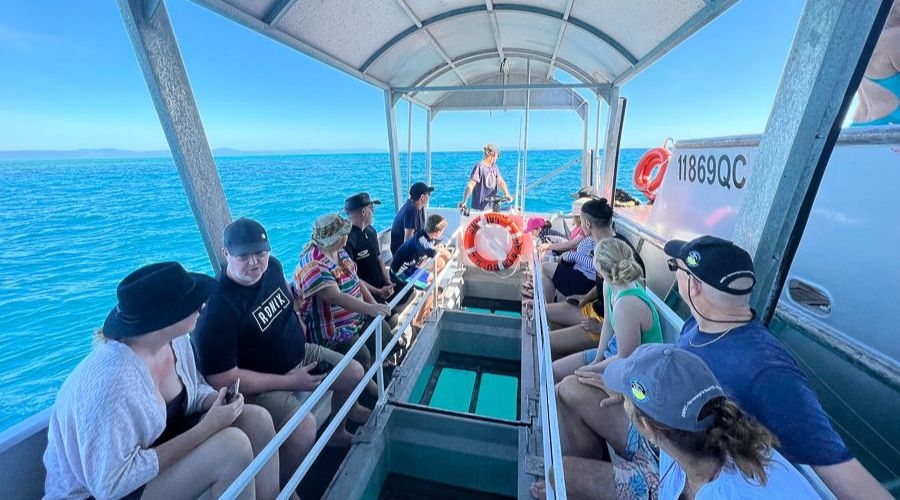
Mangrove forests are an important part of the Andaman ecosystem. Their tangled roots create habitats for various marine and terrestrial species while also helping protect coastlines.
Exploring mangrove areas by boat or kayak offers a completely different experience from spending time on an open beach.
The waterways can feel quiet and enclosed, with dense vegetation on both sides. Depending on the location and conditions, travelers may also see birds, fish, and other wildlife.
Kayaking through mangrove channels is another option for visitors interested in nature-based Things to do in Andaman.
Because mangrove environments can be sensitive, visitors should follow local guidelines and avoid disturbing wildlife or damaging vegetation.
5. Explore Baratang Island
Baratang Island is known for its distinctive natural landscapes and is often included in itineraries focused on exploring areas beyond Port Blair.
The journey itself can be part of the experience, as travelers pass through forested areas before reaching attractions such as mangrove waterways and limestone cave formations.
The limestone caves are formed through long-term geological processes. Inside, visitors can observe naturally formed rock structures created through the interaction of water and limestone.
A trip to Baratang requires planning because transportation, entry requirements, weather, and local regulations can affect access.
It is therefore important to check current travel conditions before planning the visit.
6. Visit Chidiya Tapu for Nature and Birdwatching
Chidiya Tapu, located in South Andaman, is particularly associated with nature and birdlife.
The area includes forested surroundings, coastal landscapes, and opportunities for observing birds in their natural environment. The name itself is connected with birds, making the location interesting for travelers who enjoy wildlife observation.
Instead of visiting only for a quick photograph, travelers interested in nature can spend time observing the surrounding ecosystem.
Early morning can be particularly suitable for birdwatching, although wildlife sightings are never guaranteed.
Chidiya Tapu also provides a change of scenery from the busier areas of Port Blair.
7. Explore Mount Harriet National Park
Mount Harriet National Park, now also known as Mount Manipur National Park, offers another opportunity to experience Andaman's forest environment.
The protected area is home to tropical vegetation and various species of birds and animals. Walking through forested landscapes provides a different perspective on the islands compared with coastal attractions.
Nature lovers can learn about the relationship between the island's forests, wildlife, water systems, and coastal environments.
Visitors should remain on designated paths where required and avoid feeding animals or removing plants, rocks, shells, or other natural materials.
8. Enjoy Trekking and Nature Walks
Not every outdoor experience in Andaman needs to involve the sea.
Depending on the location and local conditions, travelers can explore forest trails, viewpoints, and nature paths. Trekking allows visitors to experience the island's vegetation more closely and observe how the landscape changes away from the coastline.
Before starting a trek, travelers should consider:
Trail difficulty
Weather conditions
Required permissions
Local guide requirements
Duration of the walk
Availability of drinking water
Appropriate footwear
Mobile network availability
These considerations are especially important in tropical environments, where heat, humidity, and sudden rainfall can affect outdoor activities.
9. Explore Local Markets in Port Blair
For a more everyday experience of Andaman, travelers can spend time exploring local markets in Port Blair.
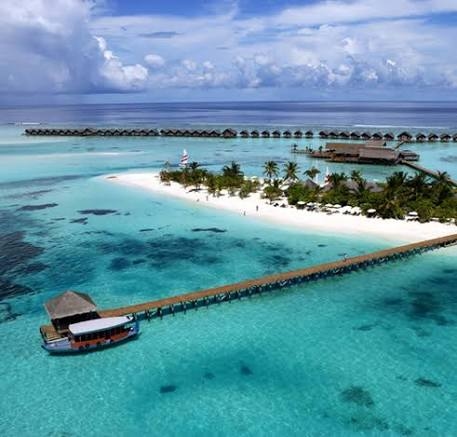
Markets provide an opportunity to observe local life, purchase permitted souvenirs, and sample regional foods.
Visitors should distinguish between legally sourced souvenirs and products made from protected wildlife or marine species. Items involving coral, shells, wildlife parts, or other protected materials may be restricted or inappropriate to purchase.
Exploring markets is a simple addition to a trip and does not require a full-day excursion.
10. Experience Local Food and Island Cuisine
Food is another way to experience a destination beyond sightseeing.
Andaman's food culture reflects its island geography and the different communities that have contributed to the region's population. Seafood is naturally common, while travelers can also find Indian dishes from different regions.
Depending on where you stay, you may encounter preparations using fish, prawns, coconut, spices, rice, and locally available ingredients.
Travelers with dietary restrictions should communicate their requirements clearly when ordering food.
Trying local dishes can turn an ordinary meal into part of the travel experience and provide insight into the region's food traditions.
11. Visit Ross Island and Explore Its Historic Remains
Ross Island, now known as Netaji Subhas Chandra Bose Island, contains remnants of colonial-era buildings and infrastructure.
The island once served as an administrative center during British rule. Today, visitors can explore the remains of structures that provide a glimpse into that period.
Over time, vegetation has grown around many of the ruins, creating an unusual combination of historical architecture and tropical surroundings.
A visit here can complement the experience of Cellular Jail by providing another perspective on the colonial history of the islands.
12. Try Kayaking Through Mangrove Creeks
Kayaking is often associated with water sports, but mangrove kayaking can also be considered a nature exploration activity.
Unlike open-water kayaking, paddling through narrow mangrove channels allows travelers to observe vegetation and waterways at a slower pace.
The quiet environment can make it easier to notice birds, small marine creatures, and other elements of the ecosystem.
Beginners should choose routes appropriate for their experience and follow instructions from qualified local operators or guides.
Weather conditions are also important. Strong winds, heavy rain, tides, or rough water can affect kayaking conditions.
13. Enjoy Snorkeling and Marine Exploration
Although snorkeling takes place in the water, it is worth including when discussing activities beyond simply relaxing on beaches.
Snorkeling provides a chance to observe coral reefs and marine life from the water's surface.
The experience also highlights why responsible tourism matters. Coral ecosystems are fragile and can be damaged by physical contact, careless anchoring, pollution, and inappropriate behavior.
While snorkeling, visitors should avoid touching coral, chasing marine animals, collecting shells, or leaving waste behind.
Understanding the ecosystem can make marine activities more educational rather than purely recreational.
14. Learn About Andaman's Marine Ecosystem
Travelers can go beyond simply seeing marine life by learning about the ecological systems surrounding the islands.
Coral reefs, seagrass areas, mangroves, sandy shores, and coastal forests all perform different ecological functions.
For example, mangroves provide nursery habitats for various marine organisms, while coral reefs support diverse communities of marine species.
Understanding these connections makes activities such as snorkeling, kayaking, and boat trips more meaningful.
It also encourages visitors to think about how tourism can affect fragile island environments.
15. Spend Time in Local Community Areas
Travel is not always about visiting a long list of attractions.
Spending time in populated areas, eating at local establishments, observing daily routines, and speaking respectfully with residents can provide a more grounded understanding of Andaman.
However, visitors should respect privacy and avoid photographing people without permission.
Indigenous communities also require particular respect. Travelers should never attempt unauthorized contact with protected tribes or enter restricted areas.
Responsible behavior is an important part of experiencing the islands.
16. Explore at a Slower Pace
A common mistake when planning island travel is trying to fit too many activities into a short itinerary.
Andaman consists of numerous islands and travel between destinations can require boats, ferries, road journeys, or other forms of transportation.
Instead of trying to visit every attraction, travelers can select a few experiences based on their interests.
For example, a history-focused traveler might spend more time in Port Blair, while a nature enthusiast could allocate additional time to forests, mangroves, and wildlife areas.
A slower itinerary also provides some flexibility when weather or transportation schedules change.
17. Plan Activities Around Weather Conditions
Weather can influence many of the Things to do in Andaman.

Rain, wind, sea conditions, and visibility can affect outdoor activities and transportation. Boat services may also be affected by weather or operational considerations.
Before traveling to an outdoor attraction, check current local conditions and transportation information.
It is also sensible to keep some flexibility in the itinerary. If a particular activity becomes unsuitable because of weather, another indoor or land-based activity can be used instead.
This approach reduces unnecessary stress and allows travelers to adapt to changing conditions.
18. Combine History, Nature, and Local Experiences
One of the easiest ways to explore Andaman beyond beaches is to create a balanced itinerary.
Instead of dedicating every day to water activities, travelers can combine different categories:
History
Cellular Jail
Ross Island
Historical museums
Culture and learning
Anthropological Museum
Marine museum
Local markets
Nature
Chidiya Tapu
Forest areas
Mangrove ecosystems
National park landscapes
Adventure
Kayaking
Trekking
Snorkeling
Nature walks
This combination allows visitors to experience different aspects of the destination without relying entirely on beach tourism.
19. Practice Responsible Tourism
The natural environment is one of Andaman's most valuable features, which makes responsible travel particularly important.
Visitors can reduce their environmental impact by carrying reusable water bottles, avoiding single-use plastics where practical, disposing of waste properly, and following local regulations.
Travelers should never remove coral, marine organisms, plants, rocks, or wildlife from natural environments.
When participating in marine activities, avoid standing on coral reefs or touching marine animals.
Responsible tourism also means respecting local communities and cultural boundaries.
Small individual choices can contribute to preserving the destination for future visitors and local residents.
20. Build an Itinerary Based on Your Interests
There is no single itinerary that works for every traveler.
Someone interested in history may prefer museums and heritage sites, while a nature enthusiast may want forests, mangroves, and wildlife experiences.
Families may prioritize shorter activities and convenient transportation, while adventure travelers may allocate more time to kayaking, trekking, or snorkeling.
When planning your trip, consider the following:
Number of days available
Travel time between destinations
Weather conditions
Physical fitness
Activity costs
Ferry and transportation schedules
Required permits
Seasonal accessibility
Environmental regulations
Researching these factors beforehand can help create a practical itinerary rather than an overcrowded one.
Conclusion
The best Things to do in Andaman are not limited to sitting beside the sea or participating in water sports. The islands offer historical landmarks, museums, forests, mangrove ecosystems, wildlife experiences, local food, markets, trekking opportunities, and marine environments that reveal a much broader picture of the destination. By combining these experiences with responsible travel practices and a flexible itinerary, visitors can explore Andaman in a more meaningful and informed way. Whether your interest is history, nature, culture, or outdoor exploration, looking beyond the beaches can make your understanding of the islands considerably richer.