A kitchen or bathroom counter can change the entire look of a room. However, replacing an old countertop may involve removing existing materials, arranging new fittings and dealing with a lengthy renovation. A vinyl wrap counter offers another option for refreshing a surface without completely replacing it.
Countertop vinyl wrap comes in a range of colours, textures and decorative patterns. Homeowners can choose marble effects, natural wood designs, concrete finishes or simple solid colours to match their interiors. Businesses can also use decorative film to update reception desks, café counters and retail displays.
The right material, careful surface preparation and proper installation all play important roles in the finished appearance. Understanding these factors helps you decide whether vinyl wrapping suits your countertop and how to maintain the result.
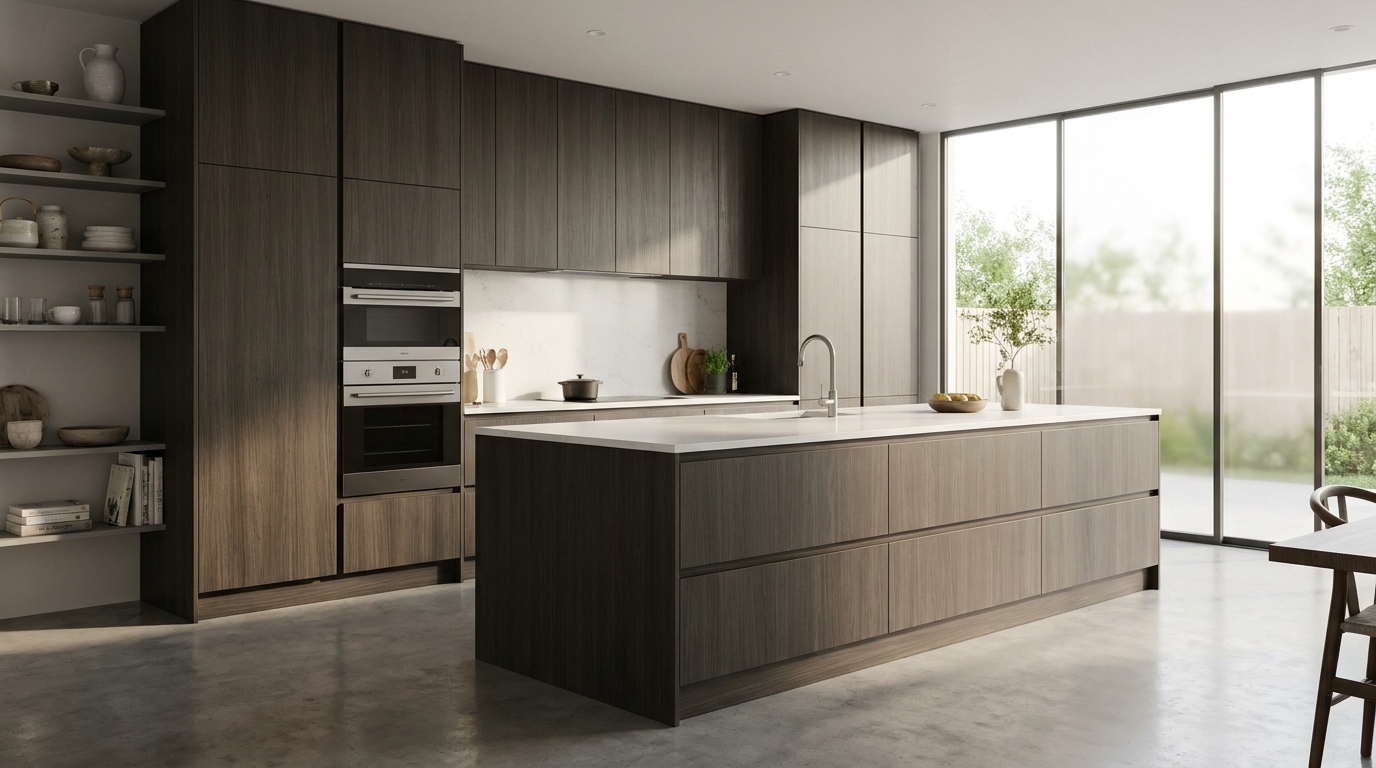
What Is a Vinyl Wrap Counter?
A vinyl wrap counter uses a decorative adhesive film applied over an existing countertop. The film changes the visible finish while leaving the original counter in place. Depending on the product, it may feature a smooth surface, embossed texture, protective top layer or specialised adhesive.
Standard peel and stick contact paper provides a convenient option for light decorative projects. Architectural vinyl film offers another choice, particularly for interior refurbishment projects that require more durable finishes and professional application.
These materials are not interchangeable. A film designed for furniture doors or decorative panels may not withstand the heat, moisture and daily wear associated with kitchen worktops.
Before purchasing a product, check its intended application and technical specifications. Some manufacturers design their films for countertops, while others restrict their use to vertical surfaces or furniture.
Professional architectural wrapping can also reproduce the appearance of stone, timber or other finishes without installing those materials themselves. However, the result depends on the film quality, the condition of the original surface and the installer’s skill.
Popular Vinyl Wrap Counter Styles and Finishes
Marble Effect Vinyl Wrap
Marble effect film creates the appearance of natural stone, often with white, grey or beige backgrounds and decorative veining. It suits contemporary kitchens, bathroom vanities and reception areas where a clean, refined appearance matters.
White marble designs can make smaller rooms feel brighter, while darker patterns create a stronger visual contrast. For a convincing finish, choose a pattern with realistic veining and plan the layout carefully around corners and seams.
Wood Grain Countertop Wrap
Wood effect vinyl introduces the warmth of oak, walnut, ash or other timber finishes. It works particularly well with white cabinets, neutral walls and modern minimalist interiors.
A textured film can create a more convincing wood appearance than a completely smooth printed design. Matching the grain direction across visible sections also helps the finished counter look more consistent.
Concrete and Stone Effect Finishes
Concrete effect wraps suit industrial, contemporary and minimalist interiors. Their muted grey tones complement black fittings, metal details and natural wood furniture.
Other stone effect films provide alternatives for people who prefer the appearance of granite or similar materials without changing the underlying countertop. Although these finishes can reproduce the visual pattern, they do not provide the physical properties of genuine stone.
Solid Colours and Matte Finishes
Solid colours offer a simple way to refresh a counter without introducing a busy pattern. White, black, beige, cream and muted green can work well in different interior styles.
Matte finishes create a softer appearance, while gloss films reflect more light. Consider the surrounding cabinets, lighting and wall colours before selecting a finish.
Key Benefits of a Vinyl Wrap Counter
Refresh an Existing Countertop
The main advantage of countertop wrapping is that it can update the visible surface without removing the entire countertop. If the original material remains stable and undamaged, a suitable film can provide a fresh appearance while preserving the existing structure.
This approach may also reduce demolition and disruption during an interior refurbishment.
Create Different Interior Styles
Decorative films give homeowners access to numerous colours and patterns. You can choose a marble effect for a modern kitchen, a wood grain finish for a warm interior or a dark matte surface for a contemporary commercial space.
Some architectural film collections also offer coordinated finishes for cabinets, doors, drawers and other interior surfaces.
Make Small Updates More Manageable
A countertop wrap can suit projects where the existing layout works well but the finish looks outdated. You can update the visible surface without automatically replacing cabinets, plumbing fixtures or the entire worktop.
The suitability of this approach depends on the countertop's condition and the type of film selected.
Support Interior Refurbishment Projects
Retail stores, offices, cafés and hospitality businesses may use architectural film to refresh counters and reception desks. Professional application can help maintain a consistent appearance across multiple surfaces.
However, high traffic, frequent cleaning and food preparation require appropriate materials. Confirm that the selected film supports the intended use rather than assuming every decorative vinyl product offers the same performance.
Which Countertop Surfaces Can You Wrap?
The existing surface determines how well a vinyl film will adhere and how long the installation may last.
Laminate countertops: Smooth, firmly bonded laminate can provide a suitable base when it remains in good condition.
Wood and MDF surfaces: Stable, properly sealed surfaces may accept suitable films, depending on the product and moisture exposure.
Metal counters: Some films adhere to clean, smooth metal surfaces when the manufacturer approves the application.
Tiled countertops: Grout lines and uneven tiles can show through thin film. Filling and levelling may improve the result, but not every tiled surface is a good candidate.
Damaged or swollen countertops: Loose laminate, water-damaged boards, peeling finishes and unstable substrates need repair or replacement before wrapping.
Natural stone countertops also require careful consideration. A film may adhere to some stone surfaces, but the finish, surface condition and intended use affect the result. Wrapping valuable stone can also reduce its natural appearance rather than improve it.
For kitchen worktops, pay particular attention to sink edges, joints and areas exposed to standing water. Moisture can penetrate poorly sealed edges and damage the material underneath.
How to Install a Vinyl Wrap Counter
Step 1: Measure the Countertop
Measure the length and width of every section you plan to cover. Include the visible edges and any areas that need wrapping underneath the countertop.
Purchase enough material to allow for trimming, pattern alignment and mistakes. If your design includes marble veining or wood grain, plan the pattern direction before cutting the film.
Step 2: Clean and Prepare the Surface
Remove loose dirt, grease, dust and old adhesive residue. Use a cleaning product compatible with the countertop and allow the surface to dry completely.
Repair small chips and uneven areas using appropriate materials. Sanding may help smooth certain surfaces, but avoid damaging the original finish. Apply a primer or adhesion promoter only when the film manufacturer recommends it.
Surface preparation is essential because dust, grease and moisture can interfere with adhesive bonding.
Step 3: Cut and Position the Film
Cut the vinyl slightly larger than the area you need to cover. Position it over the countertop before removing the backing paper so you can check alignment.
For patterned designs, make sure the pattern runs in the intended direction. Work slowly around corners, cutouts and visible seams to avoid wasting material.
Step 4: Apply the Vinyl Gradually
Peel back a small section of the release liner and position the adhesive film along one edge. Use a felt edged squeegee to press the film onto the surface, working gradually rather than exposing the entire adhesive backing at once.
Smooth from the centre towards the edges to push out trapped air. If the product permits repositioning, lift the film carefully when necessary instead of stretching it excessively.
Step 5: Finish the Edges and Corners
Trim excess material with a sharp precision knife. Wrap the edges neatly and apply pressure according to the manufacturer's instructions.
Some films require controlled heat to conform around corners. Use a heat gun only if the product allows it, and avoid excessive heat that could shrink or damage the film.
Pay particular attention to sink cutouts, joints and areas where water may collect. Follow the appropriate sealing instructions for these locations.
Step 6: Allow the Adhesive to Set
Follow the product's recommended setting time before heavy use or cleaning. Avoid exposing the wrapped counter to unnecessary moisture, heat or pressure during this period.
Inspect the edges and seams before returning the countertop to regular use.
How to Maintain a Vinyl Wrap Counter
Regular maintenance helps preserve the appearance of a wrapped countertop. Most suitable architectural films need straightforward cleaning, but the manufacturer’s care instructions should always guide your routine.
Use Gentle Cleaning Products
Clean the surface with a soft microfibre cloth, warm water and a mild detergent. Wipe spills promptly, especially around seams and sink edges, and dry the surface after cleaning.
Avoid abrasive pads, scouring powders and harsh solvents that may scratch or weaken the film's protective layer. Test unfamiliar cleaning products on a discreet area only when the manufacturer permits it.
Protect the Surface From Heat and Scratches
Vinyl wrap should not replace a heat resistant worktop near a hob. Place hot pans on suitable trivets, use a chopping board when preparing food and avoid dragging sharp or heavy objects across the film.
Heat tolerance varies between products, so check the technical data rather than relying on a general temperature rating.
Inspect Edges and Seams Regularly
Check the areas around sinks, joints and corners for lifting or moisture penetration. Address small areas of lifting promptly using an approved repair method.
If the underlying countertop becomes swollen, unstable or water damaged, repairing the substrate may be necessary before applying new film.
Common Vinyl Counter Wrapping Mistakes to Avoid
Several installation mistakes can affect the appearance and durability of the finished counter.
Skipping surface preparation: Grease, dust and moisture can prevent the adhesive from bonding properly. Clean and dry the surface thoroughly before application.
Choosing unsuitable film: Ordinary decorative contact paper may not withstand demanding kitchen conditions. Select a product designed for the intended surface and environment.
Stretching the material excessively: Excessive stretching can distort patterns and place tension on corners, increasing the risk of lifting.
Ignoring edges and cutouts: Poorly finished edges can allow moisture underneath the film, especially near sinks and joints.
Assuming vinyl is heatproof: Decorative film can suffer permanent damage from hot cookware. Keep suitable heat protection available throughout everyday use.
Expecting film to repair structural damage: Vinyl changes the surface appearance, but it cannot fix swollen boards, loose laminate or other underlying problems.
How to Choose the Right Vinyl Wrap for Your Counter
Start by identifying the purpose of the project. A decorative desk or display counter may need a different material from a kitchen worktop used for food preparation every day.
Next, compare the film's finish, thickness, adhesive properties and suitability for horizontal surfaces. Request the manufacturer's technical data sheet if you are considering a professional architectural film.
Check the following details before making a selection:
Application suitability: Confirm that the film is approved for the intended countertop or worktop use.
Finish and texture: Choose a pattern that complements the cabinets, flooring and lighting.
Moisture resistance: Consider sink areas, seams and other locations exposed to water.
Heat performance: Check the manufacturer's limitations around cooking appliances.
Installation requirements: Determine whether the surface needs priming, special tools or professional application.
Warranty and maintenance: Review the coverage conditions and recommended cleaning methods.
If you are selecting a film for a commercial counter, also consider cleaning frequency, customer contact and the performance requirements of the business environment.
Frequently Asked Questions
1. What is a vinyl wrap counter?
A vinyl wrap counter is an existing countertop covered with decorative adhesive film. It changes the visible finish without requiring complete countertop replacement.
2. Can you wrap a kitchen countertop yourself?
Yes, you can wrap a suitable countertop yourself if you follow the product instructions and prepare the surface correctly. Large worktops, complicated corners and sink cutouts may require professional installation.
3. How long does a vinyl wrap counter last?
Its lifespan depends on the film quality, installation, surface preparation and daily use. Some interior architectural films advertise service lives of several years, but these claims do not automatically apply to every countertop application. Check the product warranty and intended-use specifications.
4. Is vinyl wrap waterproof?
Some films resist surface moisture, but the complete installation may not be waterproof. Seams, cut edges and damaged areas can allow water to reach the substrate, so proper installation and maintenance matter.
5. Can you put hot pans on a wrapped countertop?
No. You should not place hot pans directly on a wrapped counter unless the manufacturer explicitly permits the specific use. Use trivets and follow the product's heat limitations.
6. Can vinyl wrap be removed from a countertop?
Many adhesive films can be removed, but the difficulty depends on the adhesive, installation age and original surface. Removal may leave residue or damage a weak, painted or deteriorating finish.
7. Is a vinyl wrap counter suitable for commercial spaces?
It can suit reception desks, retail counters and selected hospitality interiors when the material meets the site's requirements. Food preparation surfaces need particular care because decorative film is not automatically certified for direct food contact.