
Introduction
Varanasi is a city that offers a very different experience from most other Indian tourist destinations. Situated beside the River Ganga in Uttar Pradesh, it is known for its ancient temples, historic neighbourhoods, religious ceremonies and traditional way of life.
For some visitors, Varanasi is a spiritual destination. Others visit to understand its history, experience local culture or photograph the beautiful riverside scenery. Whatever the reason, the city has a character that makes it an important part of India's tourism map.
First-time visitors may find the busy streets and crowded ghats a little overwhelming. However, with a basic understanding of the city, it becomes easier to plan a comfortable stay.
This Varanasi Travel Guide covers the important attractions, activities, food, accommodation areas and practical information that can help visitors make the most of their trip.
1. Understanding the History and Importance of Varanasi
Varanasi, also called Kashi and Banaras, has a long history connected with religion, education, music, literature and traditional craftsmanship.
The city is particularly important in Hinduism because of its association with Lord Shiva and the River Ganga. Many Hindu pilgrims visit Varanasi to offer prayers, perform religious rituals and visit its temples.
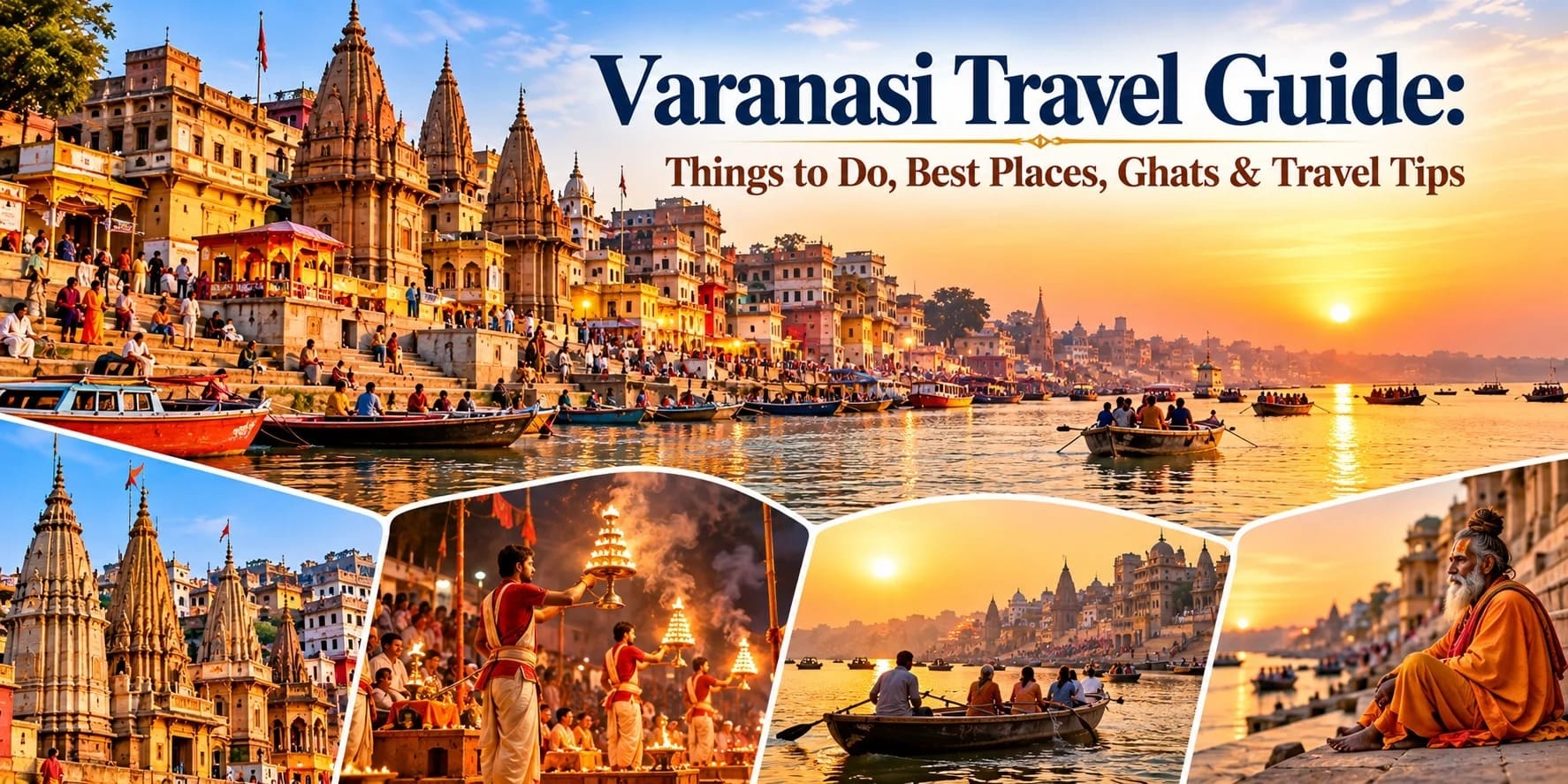
The ghats are among the city's most recognisable features. These stone steps connect the old city with the river and serve different purposes, from religious ceremonies to everyday activities.
Varanasi is also known for its contribution to Indian classical music, Sanskrit learning and Banarasi silk weaving. These cultural traditions continue to influence the city's identity.
Understanding this background makes sightseeing more meaningful because the places visitors see are closely connected with local customs and centuries-old traditions.
2. Best Places to Visit in Varanasi
Varanasi has several famous attractions, but visitors should also allow time to explore its smaller streets and neighbourhoods.
Kashi Vishwanath Temple
The Kashi Vishwanath Temple is one of the most important religious landmarks in Varanasi. Dedicated to Lord Shiva, it is visited by large numbers of devotees throughout the year.
The temple has great religious importance and is located in the old city near the Ganges. Travellers should check current entry rules, permitted belongings and visiting arrangements before arriving.
Dashashwamedh Ghat
This is one of the busiest and most recognised ghats in the city. It is especially famous for its evening Ganga Aarti, which attracts pilgrims and tourists.
During the ceremony, priests perform rituals using large lamps while devotional songs and bells fill the surroundings. It is a cultural experience that many visitors remember long after leaving the city.
Assi Ghat
Assi Ghat is located towards the southern end of the main ghat area. It is popular among students, travellers and local residents.
The morning atmosphere is particularly pleasant. Visitors can enjoy a walk, observe local activities or sit near the river before the city becomes busy.
Manikarnika Ghat
Manikarnika Ghat is one of the major cremation ghats in Varanasi. It holds deep religious significance in Hindu traditions and is associated with beliefs about life, death and liberation.
Visitors should approach this location with respect and sensitivity. Photography of funeral rituals or grieving families should be avoided.
Sarnath
Sarnath is an important destination located outside Varanasi. It is recognised as the place where Gautama Buddha delivered his first sermon.
The archaeological site includes the Dhamek Stupa, historic remains and a museum containing Buddhist artefacts. It is an excellent place for visitors interested in Buddhism, ancient history and archaeology.
3. Enjoy a Morning Boat Ride on the River Ganga
One of the best ways to understand Varanasi is to see it from the river.
Early in the morning, boat rides offer views of the ghats as the city begins its daily activities. Some people are performing prayers, others are taking morning walks, and priests can be seen carrying out religious rituals.
The changing sunlight creates beautiful views of the old buildings and temples along the riverbank.
Visitors can choose a shared boat or a private boat, depending on their budget and preference. It is sensible to confirm the price, duration and route before starting the ride.
For photography lovers, sunrise is usually a particularly rewarding time.
4. Experience the Evening Ganga Aarti
The Ganga Aarti is one of the most recognised cultural experiences in Varanasi. The ceremony is generally performed in the evening at Dashashwamedh Ghat and is dedicated to the River Ganga.
Priests perform coordinated rituals using traditional lamps, incense and devotional chants. The riverfront becomes lively as visitors gather to watch the ceremony.
There are different ways to observe the event. Visitors can sit on the steps of the ghat or view it from a boat, subject to local arrangements.
Arriving early is recommended because the viewing areas become crowded. Visitors should also respect the religious nature of the ceremony and avoid disturbing people attending the prayers.
5. Explore the Traditional Streets and Markets
The old streets of Varanasi are an important part of its charm. Walking through these lanes gives visitors a closer look at everyday life.
Small shops sell religious items, flowers, traditional clothing, sweets and handicrafts. The streets are also home to historic buildings, small temples and traditional food outlets.
Some areas are known for Banarasi silk products. These textiles are famous for their detailed patterns, rich colours and traditional weaving techniques.
Travellers interested in shopping can look for:
· Banarasi silk sarees and fabrics.
· Traditional Indian jewellery.
· Religious souvenirs and decorative items.
· Handcrafted products.
· Local sweets and packaged food products.
When purchasing silk, visitors should ask about the material, weaving technique and authenticity. Comparing products from different shops can help avoid paying unnecessarily high prices.
6. What to Eat in Varanasi
Food is another reason why many travellers enjoy visiting Varanasi. The city has a distinctive food culture influenced by traditional North Indian cooking.
Some popular local dishes and snacks include:
Kachori Sabzi: A popular breakfast dish consisting of fried kachoris served with spicy potato curry.
Banarasi Tamatar Chaat: A local street food preparation made with tomatoes, spices and different toppings.
Banarasi Lassi: A thick yoghurt-based drink that is often served with a creamy topping.
Malaiyyo: A seasonal sweet speciality known for its light, frothy texture. It is generally available during cooler months.
Banarasi Paan: A well-known local speciality that has a long association with the city's food culture.
Visitors should choose hygienic food outlets, drink safe water and be careful when trying unfamiliar street food.
7. Best Time to Visit Varanasi
The weather plays an important role in planning a Varanasi holiday.
October to March is generally considered the most comfortable period for sightseeing. Temperatures are usually more suitable for walking through the old city and visiting outdoor attractions.
Winter (November to February)
Winter is a popular tourist season. The weather is cooler, making it comfortable to explore the ghats and temples. Morning fog can sometimes affect visibility and transportation.
Summer (March to June)
Summer temperatures can become very high. Visitors planning a summer trip should arrange sightseeing during early morning and evening hours.
Monsoon (July to September)
Rainfall and higher humidity are common during the monsoon. River levels can rise, and boat services may be restricted depending on conditions. Travellers should follow local instructions around the riverfront.
Major festivals such as Dev Deepawali can make Varanasi especially busy. Travellers interested in attending should plan accommodation and transportation well in advance.
8. How Many Days Are Enough for Varanasi?
For a first visit, two to three days are usually sufficient to cover the main attractions.
A sample three-day plan can look like this:
Day | Suggested Activities |
Day 1 | Arrive in Varanasi, explore the old city and visit Kashi Vishwanath Temple |
Day 2 | Enjoy a sunrise boat ride, explore the ghats and attend evening Ganga Aarti |
Day 3 | Visit Sarnath, explore local markets and enjoy traditional food |
Travellers with more time can include additional cultural activities, visit lesser-known temples or spend more time exploring the local neighbourhoods.
9. How to Reach Varanasi
Varanasi is well connected with several major Indian cities through air, rail and road networks.
By Air: Lal Bahadur Shastri International Airport connects Varanasi with several Indian cities. Depending on the season and airline schedules, travellers may also find international connections or connecting flights.
By Train: Varanasi has important railway stations, including Varanasi Junction and Banaras railway station. Trains connect the city with Delhi, Agra and many other destinations.
By Road: Varanasi is connected by highways with cities across Uttar Pradesh and neighbouring states. Private vehicles and taxis are available for intercity travel.
For international visitors, combining Varanasi with Delhi, Agra and Jaipur is a practical way to experience different parts of North India.
10. Combining Varanasi with the Golden Triangle
Many international travellers prefer visiting Varanasi as part of a larger North India holiday rather than planning it as a separate trip.
The Golden Triangle includes Delhi, Agra and Jaipur. Each city offers a different perspective on India's past.
Delhi introduces visitors to historic monuments and the country's capital culture. Agra is known for Mughal architecture and the Taj Mahal. Jaipur showcases Rajasthan's royal history through its forts, palaces and traditional markets.
Adding Varanasi makes the holiday more varied. Instead of focusing only on monuments and architecture, visitors also get the opportunity to understand India's spiritual traditions and riverside culture.
A Golden Triangle with Varanasi Tour can generally be planned over 9 to 11 days, depending on the travel arrangements and sightseeing preferences.
Travellers can cover Delhi, Agra and Jaipur by road and then take a flight or train to Varanasi. The most suitable transport option depends on the available time and budget.
11. Important Travel Tips for First-Time Visitors
Varanasi is a rewarding destination, but a few practical precautions can make the visit easier.
1. Wear comfortable clothing: Walking is an important part of exploring the old city.
2. Respect religious customs: Follow local rules at temples and religious sites.
3. Plan temple visits: Check entry restrictions and opening arrangements before visiting.
4. Keep cash available: Some smaller shops and local services may not accept cards.
5. Confirm boat prices: Agree on the fare and duration before starting a boat ride.
6. Protect your belongings: Crowded markets and ghats require normal travel precautions.
7. Choose suitable accommodation: Staying near a convenient area can reduce travel time.
8. Allow extra travel time: Traffic and narrow streets can make local transportation slower.
Being patient and respecting local traditions will help visitors enjoy the city more comfortably.
12. Plan Your India Holiday with Heritage Route Travels
A trip covering Varanasi and the Golden Triangle involves different types of travel experiences. Visitors need to plan city transfers, hotel stays, sightseeing and local transportation carefully.
Heritage Route Travels is a Jaipur-based India Tour Operator specialising in private and customised India Tour Packages for international travellers.
The company offers travel arrangements for popular destinations such as Delhi, Agra, Jaipur, Jodhpur, Udaipur, Jaisalmer, Pushkar and Ranthambore. Travellers can also include Varanasi in a wider North India itinerary.
With flexible travel plans, chauffeur-driven transportation for suitable road routes and local travel knowledge, Heritage Route Travels helps visitors organise a holiday according to their interests and schedule.
Whether you are interested in historical monuments, cultural activities, local markets or spiritual destinations, a carefully planned itinerary can make your Indian holiday more comfortable.
Conclusion
Varanasi is much more than a destination with famous temples and ghats. It is a city where religious traditions, history, food, music and everyday life come together.
From watching the sunrise over the Ganges to attending the evening Aarti and exploring the old markets, visitors can enjoy a variety of memorable experiences.
This Varanasi Travel Guide provides a useful starting point for first-time visitors who want to understand the city before arriving. For those planning a longer holiday, combining Varanasi with Delhi, Agra and Jaipur offers a balanced introduction to India's historical and cultural diversity.
With suitable planning and enough time to explore, Varanasi can become one of the most memorable stops on an India holiday.