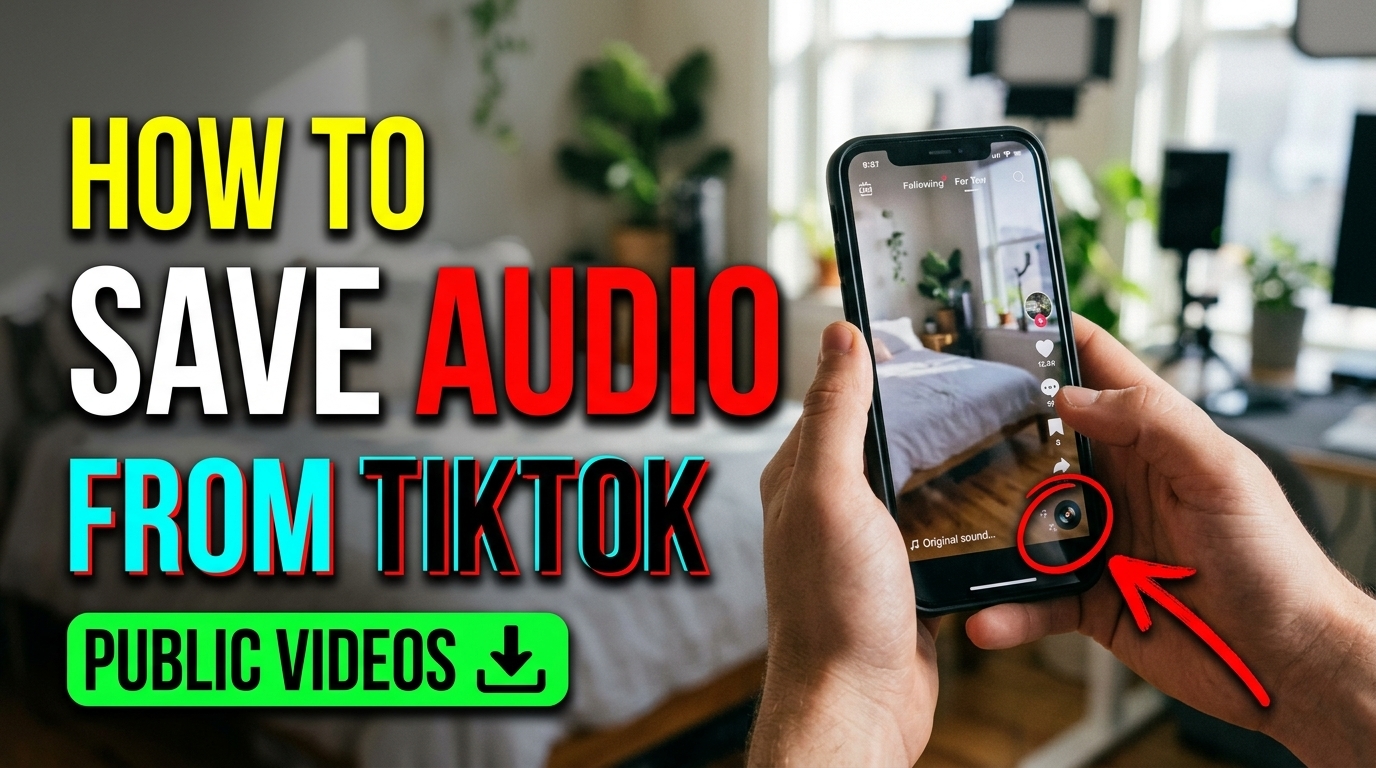
TikTok has become a popular platform for discovering entertaining videos, music, educational discussions, comedy clips, and creative content. While watching public videos, users sometimes come across interesting sounds they would like to keep for later listening. These may include motivational speeches, memorable conversations, background music, or useful explanations.
Although TikTok allows users to watch and share videos, saving audio separately can require a few additional steps. Understanding how video downloading works and how audio can be separated from a downloaded file makes the process easier. Users can also learn about different audio formats, storage options, and common problems that may occur during conversion.
Whether someone wants to listen to a recording offline or organize useful audio content, choosing an appropriate method can make the experience more convenient.
Understanding Public TikTok Video Downloads
Public TikTok videos are generally available for viewing, allowing users to explore different creators and discover new content. Depending on the creator's privacy settings, viewers may also have permission to download certain videos directly through the application.
However, not every video includes a download option. Some creators restrict downloads, while others allow viewers to save and share their content. Understanding these differences is important before attempting to save a video or its audio.
When users find an interesting clip, they can copy its sharing link and use a compatible online downloader to access available downloading options. This can be particularly helpful when they want to keep the complete video before working with its sound.
For a convenient video downloading experience, users can visit HTTP://SNAptikk.io to explore the available options. The general process involves opening a public TikTok video, copying its link, visiting the downloader, and following the instructions displayed on the page. Once the video has been saved successfully, users can use compatible software to access its audio track.
Starting with the original video is useful because it allows users to preserve the complete content before deciding whether they need a separate audio file. They should also respect creator permissions and applicable copyright restrictions when downloading or using online material.
Why Save Audio Instead of the Complete Video?
There are several reasons why people prefer keeping audio separately rather than storing an entire video. One of the most important advantages is reduced storage consumption. Audio files are generally smaller than video files, making them easier to maintain on devices with limited storage capacity.
Another benefit is convenience. People can listen to saved recordings while travelling, exercising, studying, or performing everyday activities. They do not necessarily need to watch the original video every time they want to hear its content.
Educational content is another common reason. A public video may contain an explanation, language lesson, pronunciation example, or useful discussion. Having an audio version can make it easier to review important information.
Content creators may also save audio to study presentation techniques, speech patterns, and sound arrangements. However, using another person's copyrighted recording in published or commercial content requires appropriate authorization.
Separating audio from video can therefore support personal organization and convenient listening, provided the material is used responsibly.
Methods for Saving Sound from Public TikTok Videos
There are different ways to access audio from public videos. The available options depend on the original content, device, and software being used.
Using TikTok's Built-In Features
The official TikTok application provides several features for interacting with videos and sounds. Users can open a public video, access its sharing options, and copy the video link.
Some videos also display information about their original sound. Opening the sound page can help viewers identify the music or recording used in the clip.
If the sound is available through an authorized music platform, users may be able to listen to it directly through that service. This is a useful option when they do not need a separate audio file.
Downloading the Original Video
Another approach is to download the complete video when the creator permits it. Users can then open the saved file through compatible editing software.
Many video editing applications include features for separating audio from visual content. These options allow users to export the sound without keeping the video portion in the final file.
This method is useful when someone wants to preserve both the original recording and a separate audio version.
Using Desktop Applications
Computer software can provide more control over audio conversion. Some applications allow users to import a video, select its audio track, and export it in a preferred format.
Advanced tools may also include trimming, volume adjustment, and audio enhancement features. These functions can be useful when preparing recordings for personal listening or authorized editing projects.
Users should always choose reputable software and avoid applications that request unnecessary permissions.
Understanding Different Audio Formats
Audio formats determine how recordings are stored and played. Choosing the right format depends on sound quality, device compatibility, and available storage.
MP3
MP3 is one of the most widely supported audio formats. It uses compression to reduce file size while maintaining reasonable listening quality.
Its broad compatibility makes it suitable for smartphones, computers, portable music players, and many media applications.
It is generally a practical option for people who want convenient playback without using excessive storage.
WAV
WAV files are commonly used when maintaining high-quality audio is important. They can store uncompressed recordings, making them suitable for editing and certain professional audio tasks.
However, WAV files usually require considerably more storage space than compressed formats.
AAC
AAC is another popular format that provides efficient compression. It is supported by many modern devices and media applications.
Depending on the encoding settings, it can offer good sound quality while keeping file sizes relatively manageable.
Selecting a Suitable Format
The best choice depends on the intended purpose. MP3 is convenient for everyday listening, WAV can be useful for editing, and AAC offers another efficient option for compatible devices.
Before exporting an audio file, users should check whether their preferred application supports the selected format.
Step-by-Step Process for Extracting Audio
After downloading a video that the creator permits users to save, the audio can be separated through compatible software.
Step 1: Find the Downloaded Video
Open the file manager on your smartphone or computer. Locate the video in the Downloads folder, gallery, or another storage location.
Step 2: Select an Audio Extraction Application
Choose a trusted application that supports importing video files and exporting their audio tracks.
Step 3: Import the Video
Open the selected application and import the downloaded video. Depending on the software, you may see a timeline or a separate audio track.
Step 4: Choose the Extraction Feature
Look for an option such as Extract Audio, Export Audio, or Convert to Audio. The available terminology may differ between applications.
Step 5: Select the File Format
Choose a suitable output format according to your requirements. MP3 is commonly used for general listening, while WAV may be preferable for certain editing purposes.
Step 6: Export and Check the File
Select a destination folder and complete the export process. Open the resulting recording to ensure that it plays correctly and contains the expected sound.
Following these steps can help users manage their downloaded media without unnecessary technical complications.
Common Problems During Audio Saving
Sometimes, users experience difficulties when downloading videos or converting their sound. Understanding the possible causes can make troubleshooting easier.
Download Option Is Missing
A video may not be downloadable because its creator has restricted saving permissions. In such situations, users should respect the restriction rather than attempting to bypass it.
No Sound After Conversion
An exported file may contain no audio if the original video has a damaged sound track or the selected application cannot process its audio encoding.
Checking the original video before conversion can help identify the source of the problem.
Unsupported Audio Format
Some media players do not support every audio format. Trying a compatible application or exporting the recording in another supported format may resolve playback difficulties.
Reduced Sound Quality
Poor audio quality can result from the original recording, compression settings, or conversion software. Changing the file extension does not improve the quality of an already damaged or low-quality recording.
For better results, users should work with the highest-quality source they are authorized to access.
Managing Saved Audio on Different Devices
Proper file organization makes it easier to locate recordings and maintain an organized media collection.
Android Smartphones
Android users can access downloaded files through their device's file manager. Creating separate folders for educational recordings, music, and personal audio can make file management easier.
Descriptive names also help users identify recordings without opening each file individually.
iPhones and iPads
Apple users can manage supported files through the Files application. They can create folders, rename documents, and move files between available storage locations.
Organizing downloads regularly can prevent unnecessary clutter.
Windows Computers
Windows users can use File Explorer to arrange recordings according to their preferred categories. Sorting files by name, date, or format can make larger collections easier to manage.
Removing duplicate or unwanted recordings can also help maintain sufficient storage space.
Copyright and Privacy Considerations
Public availability does not automatically mean that every video or audio recording is free to reuse. TikTok content may include copyrighted music, original performances, personal conversations, and other protected material.
Users should distinguish between keeping content for personal reference and distributing it publicly. Reusing someone else's recording in commercial projects or uploading it to another platform may require permission from the relevant rights holder.
Privacy is equally important. Users should avoid saving or sharing sensitive recordings without appropriate authorization. They should also be careful when using third-party applications that request account credentials or unnecessary personal information.
Following platform rules and respecting creators helps maintain a responsible approach to online content.
Making Audio Management More Convenient
Saving interesting sounds can make digital content easier to revisit, organize, and enjoy. Understanding available file formats, downloading permissions, and conversion methods helps users choose an approach that suits their requirements.
TikTok audio extraction online provides a convenient way to understand how sound can be separated from compatible video files. Users should select trustworthy applications, check the quality of exported recordings, and organize their files in suitable folders.
With a clear process and responsible downloading habits, users can manage their saved media more effectively. Whether they are keeping educational discussions, memorable recordings, or other useful sounds, understanding these methods makes the overall experience simpler and more practical.