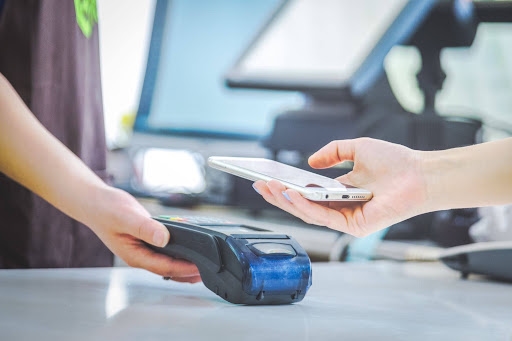
Picture a small shop owner on a busy Saturday. A customer taps a card, the terminal beeps, and the sale is done in seconds. Behind that simple moment sits a chain of banks, networks, and security checks that most owners never see. Learning how credit card processing services for small businesses operate helps owners choose tools with confidence and avoid surprises later. This post breaks down how a card payment travels, what a business needs before it can accept cards, and which questions new merchants ask most often. Each part is explained in plain terms so the topic feels manageable.
What Happens After a Customer Taps a Card
A card payment follows a set path. The sale starts at the merchant terminal, moves to a payment processor, and then travels through the card networks to the issuing bank for real-time authorization. Modern credit card processing services for small businesses rely on terminals that read EMV chip cards, magnetic stripes, and NFC contactless payments, so customers can pay in whichever way they prefer. The issuing bank approves or declines the request, and the answer returns along the same route. Fraud and risk checks are applied before a sale is approved or declined. Approved sales are not paid out one by one. Instead, they are grouped into batches and submitted for clearing. Funds then move from the issuing banks, through the card networks, to the merchant’s account, typically within standard U.S. settlement timelines. Merchants also receive structured reports that help with reconciliation and financial tracking.
Five Requirements Before Accepting Cards
Setting up involves more than buying a terminal. Anyone comparing payment processing merchant services will run into the same five requirements:
A merchant account. Registered through an acquiring bank, it allows card transactions to be authorized, processed, and settled securely within regulated banking networks.
PCI validation. Merchants are placed into PCI levels based on annual transaction volume, and they complete validation through self-assessment questionnaires or on-site audits.
EMV-ready equipment. Chip-enabled terminals reduce counterfeit fraud by encrypting and authenticating transactions. Under the EMV liability shift, card networks such as Visa and Mastercard can move fraud responsibility to merchants that do not use EMV-capable terminals.
A licensed processor. U.S. processors must be registered and approved by acquiring banks and card networks, which supports compliance with operating rules.
Fraud and data protection controls. Tokenization, encryption, address verification (AVS), and CVV checks, along with real-time monitoring, help reduce chargebacks and protect cardholder data.
Applicants also go through underwriting and KYC verification, which confirms eligibility and assesses risk before the account is approved.
Questions New Merchants Often Ask
Many first-time owners wonder whether credit card processing services for small businesses are available to startups and sole proprietors. In general, yes, provided they meet basic underwriting criteria such as valid identification, business activity verification, and banking details. Applications commonly ask for a driver’s license, a tax ID, and a voided check, and every detail must match to be approved.
How soon can a business start accepting cards? Most U.S. merchants can begin processing within 24 to 72 hours after underwriting approval and terminal setup, depending on risk profile and documentation checks.
Does personal credit matter? It can. Acquiring banks may review personal credit for small businesses to assess financial risk and decide on approval or processing limits.
Is there a minimum processing volume? Most providers do not set a strict minimum, but estimated monthly volume helps determine pricing and account suitability.
Conclusion
A card sale may take only seconds, but it depends on a merchant account, secure equipment, compliance steps, and a clear flow of funds. Business owners who understand these pieces can ask better questions, compare options more carefully, and spot gaps in their own setup before problems appear. Working with a provider such as Best Products Sales & Service inc., which supports retailers with payment terminals and processing, is one way to put those basics in place. Learning the process now makes every future checkout smoother.