If you are looking for turbine engine parts for sale, finding the right components at a competitive price is only one part of the purchasing process. Quality, technical compatibility, component condition, documentation, and supplier reliability are equally important when sourcing aviation engine parts. Whether you are an aircraft operator, MRO facility, maintenance organization, or aviation procurement professional, making an informed purchasing decision can help you manage maintenance requirements and avoid unnecessary procurement complications.
Turbine engines operate under demanding conditions, and every component has a specific function within the engine system. Selecting a part based only on its description or quoted price can create compatibility and documentation concerns. Buyers should evaluate the complete offer, including the component's condition, applicable technical requirements, supporting records, delivery expectations, and commercial terms.
This guide explains how to evaluate turbine engine parts based on quality, price, and selection criteria so you can approach aviation parts procurement with greater confidence.
1. Why Quality Matters When Buying Turbine Engine Parts
Quality is a fundamental consideration in aviation component procurement. Turbine engine parts are designed to operate within specific engineering and maintenance requirements. Their suitability depends on factors such as manufacturing specifications, maintenance history, component condition, and approved application.
A component that appears physically similar to another part may not have the same technical characteristics or approved use. Buyers should therefore verify the exact part number and relevant engine configuration before proceeding.
When evaluating component quality, consider the following:
Correct part number and component identification
Engine model and application compatibility
Manufacturing or maintenance history, where applicable
Physical condition and inspection information
Relevant release documentation
Traceability and supporting records
Applicable modifications or configuration requirements
Quality should be assessed using reliable technical information and appropriate documentation, not photographs or general product descriptions alone.
For critical engine components, qualified maintenance and technical personnel should verify suitability before the component is accepted for installation.
2. Understand the Different Types of Turbine Engine Parts
When comparing turbine engine parts for sale, it is important to understand the different component categories and their functions. Turbine engines contain multiple systems, each requiring specific parts designed for particular operating conditions.
Compressor Components
Compressor components help increase the pressure of incoming air before it enters the combustion section. Depending on the engine design, these may include compressor blades, vanes, discs, and related hardware.
Combustion Components
Combustion components support the controlled burning of the fuel-air mixture. Examples include combustion liners, fuel nozzles, and associated hardware.
Turbine Components
Turbine components extract energy from hot gases to drive the engine's rotating assemblies. Turbine blades, vanes, wheels, and related parts operate under demanding thermal and mechanical conditions.
Fuel System Components
Fuel system components help manage fuel delivery and control. These may include fuel pumps, fuel controls, nozzles, and other associated components.
Bearing and Seal Components
Bearings and seals support rotating assemblies and help manage lubrication, alignment, and sealing requirements.
Accessory Components
Accessory components support engine operation and associated systems. Examples may include starters, gearboxes, sensors, and other engine accessories.
The required component depends on the engine model, configuration, and maintenance task. Always confirm the exact part number and application using applicable technical documentation.
3. Compare Component Conditions Before Making a Selection
Component condition has a direct impact on procurement decisions. Two suppliers may offer the same part number at different prices because the components have different conditions, maintenance histories, or documentation packages.
Understanding common condition descriptions helps buyers compare offers more accurately.
New: A new component that has not previously been installed or used. Confirm its identification, applicable documentation, and acceptance requirements.
Overhauled: A component that has undergone an overhaul process in accordance with applicable maintenance requirements. Review the relevant overhaul and release records.
Repaired: A component that has undergone specific repair work. Request information about the repair performed and supporting documentation.
Serviceable: A component described as suitable for service under applicable requirements. Verify the supporting release documentation and any limitations.
As-Removed: A component removed from an engine or aircraft. Its condition and eligibility may require further assessment. Do not assume it is ready for installation.
Before selecting a component, ask the supplier to confirm its exact condition and provide the documentation available for review.
4. How to Evaluate the Price of Turbine Engine Parts
Price is an important factor in aviation procurement, particularly when managing maintenance budgets and sourcing multiple components. However, the lowest quotation does not necessarily represent the best overall value.
A meaningful price comparison should consider the complete cost of acquiring and accepting the component.
Important cost factors include:
Quoted component price
Component condition
Documentation availability
Inspection and verification expenses
Shipping and freight charges
Insurance and handling fees
Customs duties and applicable taxes
Return, rejection, or restocking conditions
Delivery timeline and associated operational impact
For example, one supplier may offer a component at a lower initial price but provide a different condition or documentation package. Another offer may include additional supporting records or different delivery terms.
Comparing these quotations without accounting for their differences can lead to an inaccurate purchasing decision.
A better approach is to request quotations using consistent technical and commercial requirements. Compare the same part number, quantity, condition, documentation criteria, and delivery destination wherever possible.
5. What Documentation Should Buyers Check?
Documentation and traceability are essential considerations when purchasing aircraft turbine engine components. They help buyers review component identity, history, condition, and eligibility.
Depending on the component and applicable requirements, relevant documentation may include:
Authorized release certificates or equivalent records
Component maintenance records
Repair or overhaul documentation
Traceability records
Part number and serial number details
Inspection findings
Modification status information
Applicable limitations or remarks
Not every component will have the same documentation requirements. The appropriate records depend on its type, condition, history, jurisdiction, and intended application.
Before placing an order, establish your organization's acceptance criteria. Confirm that the documentation corresponds to the actual component, including its part number and serial number where applicable.
For higher-value or critical components, involve the relevant technical and quality teams in the documentation review.
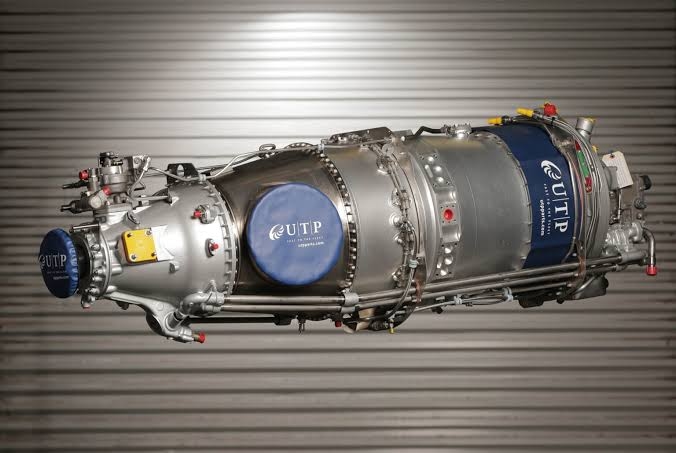
6. Selecting the Right Turbine Engine Parts Supplier
A suitable supplier should provide clear information about the component, its condition, documentation, and commercial terms. Supplier evaluation is therefore an important part of the purchasing process.
Consider these factors when selecting a turbine engine parts supplier:
Product information: Does the supplier provide accurate descriptions, part numbers, and component condition details?
Documentation transparency: Can the supplier explain which supporting records are available for review?
Communication: Are questions about technical details, availability, and commercial requirements answered clearly?
Quotation accuracy: Does the quotation identify the component, quantity, condition, price, and applicable terms?
Delivery coordination: Are estimated dispatch and delivery arrangements communicated clearly?
Commercial clarity: Are payment conditions, inspection arrangements, and return policies explained before the transaction?
A supplier should be willing to clarify important details rather than relying on vague descriptions or general assurances.
Requesting consistent information from multiple suppliers can also help procurement teams make a more objective comparison.
7. Verify Part Number and Engine Compatibility
Correct component selection begins with accurate part identification. Turbine engine components are not universally interchangeable, even when they have similar appearances or descriptions.
Before confirming a purchase, verify:
Exact component part number
Approved superseding or alternate part numbers, where applicable
Engine manufacturer and model
Engine configuration and relevant effectivity
Serial number limitations, where relevant
Modification or service bulletin status
Applicable maintenance requirements
Use approved technical publications and relevant manufacturer information to establish compatibility. Where necessary, consult qualified maintenance personnel to verify whether the component meets the requirements for its intended application.
This is especially important when sourcing replacement components for scheduled maintenance, troubleshooting, or an unscheduled repair.
Never assume that a part is interchangeable simply because a supplier describes it as compatible.
8. Consider Availability and Delivery Requirements
Aviation parts procurement often involves strict maintenance schedules and coordination between procurement, technical, and maintenance teams. Delays in obtaining a required component can affect maintenance planning and operational timelines.
When requesting a quotation, provide the supplier with your required delivery destination and target timeline. Ask whether the component is currently available, expected to become available, or subject to further confirmation.
Consider these factors:
Current availability status
Estimated dispatch date
Shipping method
Destination and customs requirements
Packaging and handling arrangements
Required documentation
Inspection or acceptance time
Communication during order processing
For urgent requirements, communicate the deadline clearly. However, distinguish between an estimated delivery date and a confirmed contractual commitment.
Planning ahead can provide more time to compare options and complete technical and documentation checks.
9. Prepare an Effective Request for Quotation (RFQ)
A complete Request for Quotation helps suppliers understand your requirements and provide more relevant offers.
Include the following details in your RFQ:
Part number: Specify the exact required part number.
Description: Include the component name and relevant technical information.
Engine application: Provide the engine model and available configuration details.
Quantity: State how many components you need.
Required condition: Specify whether you are considering new, overhauled, repaired, or another acceptable condition.
Documentation: List your required release and traceability records.
Delivery destination: Provide the country or delivery location.
Timeline: State your target delivery date.
Commercial terms: Identify relevant quotation, payment, and shipping requirements.
A detailed RFQ reduces misunderstandings and makes it easier to compare offers on equivalent terms.
It also helps suppliers identify missing information before preparing a quotation.
10. Common Mistakes to Avoid During Parts Selection
A structured procurement process can help prevent several common purchasing mistakes.
Focusing only on the lowest price: Compare component condition, documentation, shipping, and total acquisition cost.
Ignoring part-number differences: Verify exact part identification and approved application.
Assuming online availability: A website listing does not necessarily confirm current stock, condition, or dispatch readiness.
Overlooking documentation: Confirm that the supporting records meet your organization's acceptance requirements.
Not clarifying commercial terms: Understand payment conditions, inspection arrangements, return policies, and other exclusions.
Leaving procurement too late: Delayed sourcing can reduce purchasing flexibility and create maintenance scheduling pressure.
Relying on visual similarity: Product photographs cannot establish technical compatibility or component eligibility.
Avoiding these mistakes helps create a more consistent and informed purchasing process.
11. Making a Better Turbine Engine Parts Purchasing Decision
The best selection process balances quality, price, technical compatibility, documentation, and delivery requirements.
Before approving a purchase, ask yourself:
Does the component match the required part number?
Is its condition clearly stated?
Have the applicable technical requirements been checked?
Are the necessary documents available?
Has the total procurement cost been evaluated?
Are the delivery expectations clear?
Have the relevant technical and quality teams reviewed the offer where required?
Answering these questions helps procurement teams compare suitable options and avoid decisions based on price alone.
At UTP Parts, aviation buyers can explore parts sourcing information and discuss their component requirements.
Frequently Asked Questions
1. What should I consider when buying turbine engine parts?
Consider the exact part number, engine compatibility, component condition, documentation, traceability, supplier communication, total cost, and delivery requirements.
2. How can I find quality turbine engine parts for sale?
Contact aviation parts suppliers and request detailed component information, condition descriptions, and relevant documentation. Verify suitability using approved technical information and qualified maintenance personnel.
3. Why do turbine engine part prices vary?
Prices can differ according to component condition, availability, documentation, maintenance history, supplier terms, shipping, and other procurement costs.
4. Are overhauled turbine engine parts a good purchasing option?
Overhauled components may be suitable depending on the applicable requirements and intended application. Review the overhaul records, release documentation, and component eligibility before purchase.
5. What documents should accompany turbine engine parts?
Depending on the component and applicable requirements, documentation may include authorized release certificates or equivalent records, maintenance history, repair or overhaul records, and traceability information.
6. How do I confirm that a turbine engine part is compatible?
Check the exact part number, engine model, configuration, and applicable technical references. Confirm any superseding or alternate part numbers through approved documentation.
7. Should I choose new or used turbine engine parts?
The appropriate condition depends on your technical requirements, maintenance plan, acceptance criteria, budget, and documentation needs. Evaluate each offer individually rather than assuming one condition is always preferable.
8. How can I request a quotation for turbine engine parts?
Provide the part number, description, engine application, quantity, required condition, documentation criteria, delivery destination, and target timeline.
Conclusion
Finding the right turbine engine parts for sale involves balancing three important factors: quality, price, and selection. A competitive quotation is valuable, but it should always be evaluated alongside component condition, technical compatibility, documentation, traceability, and delivery requirements.
By establishing clear purchasing criteria, preparing detailed RFQs, and reviewing supplier offers consistently, aviation buyers can make more informed sourcing decisions and support their maintenance planning.