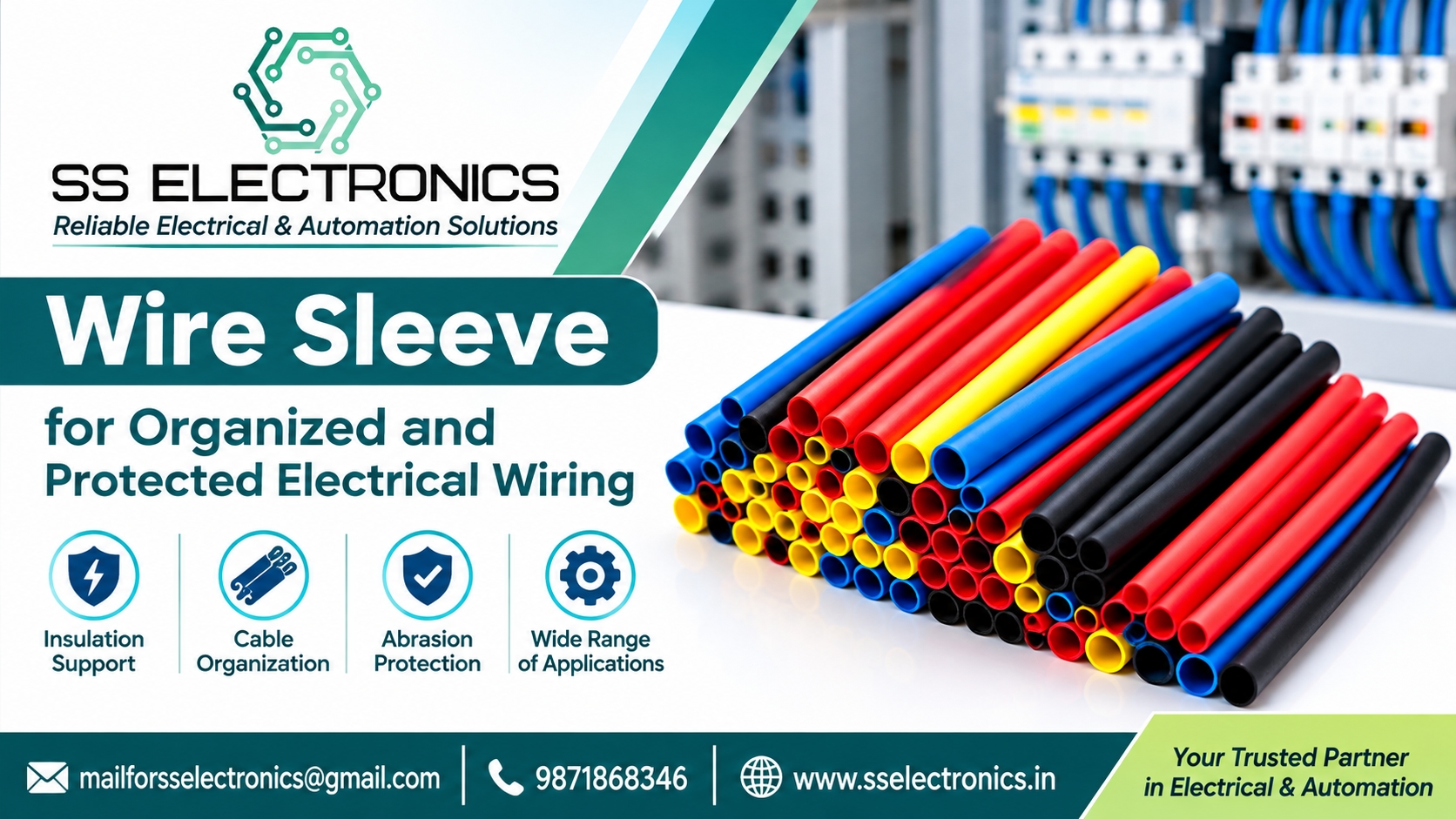
Modern industrial facilities depend on complex electrical systems to operate machinery, control panels, automation equipment, and production lines. These systems contain numerous wires and cables that connect different components and support the flow of electrical power and signals. Managing these cables properly is important for maintaining an organized installation and making maintenance activities easier. Wire sleeves are useful products that support cable organization and provide an additional protective covering in suitable applications.
Understanding the Purpose of Wire Sleeves
Wire sleeves are protective coverings designed to accommodate individual wires or groups of cables. They are available in different materials, dimensions, colours, and designs depending on their intended use. Some sleeves are primarily used for bundling wires, while others provide additional protection against abrasion, friction, or external contact.
In industrial installations, wires may pass through confined spaces, equipment compartments, and cable routing channels. A suitable sleeve can help keep these wires together and reduce unnecessary exposure to surrounding surfaces. The exact level of protection depends on the construction and specifications of the selected product.
Why Cable Organization Matters
Poorly arranged wiring can make electrical installations difficult to inspect and maintain. When multiple cables are installed without proper organization, identifying individual connections may become time-consuming. This can create additional challenges during equipment servicing, troubleshooting, and system modifications.
Wire management products help create a more structured arrangement by grouping cables into suitable sections. Wire sleeves can be used in control panels, machinery, electrical cabinets, and equipment assemblies to keep wiring organized.
A properly planned cable layout also makes it easier for technicians to follow cable routes and identify connections during maintenance work. However, sleeves should be used alongside appropriate cable supports, routing methods, and electrical safety practices.
Applications Across Industrial Sectors
Wire sleeves are used in several industries where electrical wiring requires organization and suitable covering. Manufacturing facilities use them in machine wiring, control cabinets, and electrical assemblies. Automation systems also contain multiple cables connecting sensors, controllers, motors, and other devices.
Automotive applications involve wiring harnesses that connect different electrical and electronic components. Suitable sleeves can help group these wires and provide protection according to the requirements of the vehicle installation.
Telecommunications equipment, commercial electrical systems, and renewable energy installations may also use wire management products. The appropriate sleeve depends on cable dimensions, installation conditions, and the level of protection required.
Selecting a Suitable Wire Sleeve
Choosing a wire sleeve begins with understanding the cable arrangement. Buyers should determine the number of wires, their combined diameter, and the available installation space. A sleeve that is too small may make installation difficult, while an oversized sleeve may not provide the desired arrangement.
Material selection is another important consideration. Different materials offer different properties related to flexibility, temperature resistance, abrasion resistance, and environmental suitability. The correct material should be selected according to the actual operating conditions.
Customers looking for Wire Sleeve products should review available dimensions, material characteristics, and application requirements before finalizing their selection.
Importance of Colour and Identification
Wire sleeves are available in different colours, which can be useful for organizing cable groups and supporting identification. In electrical installations containing multiple circuits, colour-based organization can make wiring arrangements easier to understand.
However, colour selection should follow the applicable electrical standards and project documentation. It should not replace proper wire labelling, circuit identification, or approved installation practices.
In manufacturing environments, organized wiring can also contribute to a cleaner equipment layout. This is particularly useful when machines contain multiple control and signal cables that need to be inspected periodically.
Wire Sleeves in Control Panel Manufacturing
Control panels contain electrical components such as relays, contactors, circuit protection devices, terminal blocks, power supplies, and monitoring instruments. These components require properly routed wiring to function as intended.
Wire sleeves can help group selected cables and improve the overall arrangement inside suitable panel assemblies. An organized layout can make it easier for panel builders and maintenance teams to identify cable routes and carry out inspection work.
The selected sleeve should not interfere with terminal connections, ventilation, moving components, or the minimum bending requirements of cables. Panel manufacturers should also consider the sleeve's temperature and material specifications.
Sourcing Considerations for Industrial Buyers
Industrial procurement teams often require products in specific sizes, colours, and quantities. Consistent sourcing is important when materials are needed for production schedules, electrical installation projects, or maintenance inventories.
Businesses searching for Wire Sleeve Suppliers can explore SS Electronics for electrical and automation product sourcing assistance. The company supports customers with product enquiries, technical consultation, and bulk procurement requirements across India.
Before placing an order, buyers should communicate their cable dimensions, application details, material preferences, and estimated quantity. Providing accurate requirements helps suppliers understand the intended use and assist with product selection.
Installation and Inspection Practices
Wire sleeves should be installed according to the manufacturer's recommendations. Before installation, inspect the wires and ensure that the selected sleeve is compatible with their dimensions and insulation materials.
Avoid excessive stretching, pulling, or bending that may damage the sleeve or the cables inside it. The completed arrangement should allow sufficient flexibility for the equipment's operating conditions.
Periodic inspection can help identify cuts, wear, deformation, or displacement. Any damaged component should be assessed and replaced when necessary. Electrical work should always be performed by appropriately qualified personnel following relevant safety procedures.
Conclusion
Wire sleeves contribute to organized electrical wiring in industrial machinery, control panels, cable harnesses, and commercial installations. They can help group cables and provide additional protection against selected forms of mechanical contact, depending on their construction.
Selecting the right product requires attention to material, dimensions, flexibility, operating temperature, and environmental conditions. With suitable product selection and proper installation, wire sleeves can support cleaner cable management and more convenient maintenance.
Frequently Asked Questions
1. What is the main purpose of a wire sleeve?
A wire sleeve is used to cover, group, organize, or protect wires and cables according to the product's design and material properties.
2. Can wire sleeves be used in control panels?
Yes. Suitable wire sleeves can be used to organize selected cable groups inside electrical control panels and equipment assemblies.
3. Are wire sleeves available in different sizes?
Yes. Wire sleeves are available in different dimensions to accommodate different cable diameters and wiring arrangements.
4. Why are coloured wire sleeves used?
Different colours can help organize and identify cable groups when used according to the applicable project standards and wiring documentation.
5. Can wire sleeves protect cables from friction?
Suitable sleeves can help reduce direct contact and abrasion between cables and surrounding surfaces. The level of protection depends on the sleeve material and design.
6. What factors affect wire sleeve selection?
Important factors include cable diameter, number of wires, sleeve material, flexibility, operating temperature, and environmental conditions.
7. Are wire sleeves useful for industrial maintenance?
Yes. Organized wiring can make cable inspection and identification more convenient, supporting maintenance and troubleshooting activities.