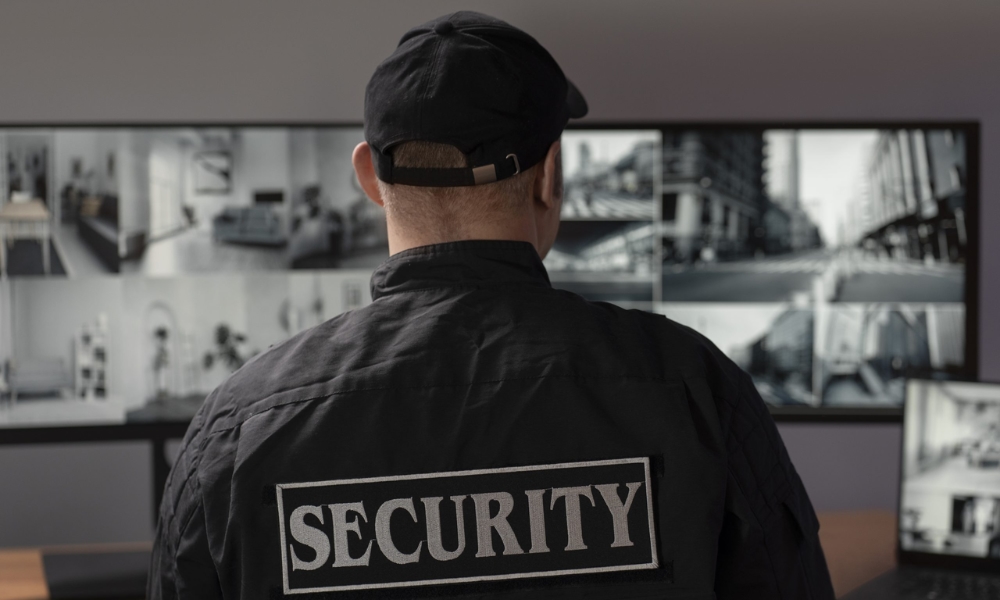
London offices operate in a fast-moving business environment where employees, clients, contractors and visitors may enter and leave throughout the day. From small professional offices to large corporate buildings, maintaining a secure workplace requires appropriate procedures and reliable security measures. Security guards can play an important role by providing a visible presence, monitoring access and supporting the day-to-day protection of office premises.
Professional security is not limited to preventing theft. Security guards can also help manage visitors, monitor entrances, conduct patrols, respond to incidents and support existing security systems. When their responsibilities are clearly defined, trained personnel can become an important part of an office building's wider security arrangements.
Maintaining a Visible Security Presence
One of the most noticeable roles of a security guard is maintaining a visible presence within or around an office building. A uniformed professional positioned at reception, an entrance or another designated location can help demonstrate that security is actively monitored.
This presence can be particularly useful in busy London offices where numerous people may enter the premises throughout the day. Security personnel can remain alert to unusual behaviour, monitor activity in designated areas and report concerns through the appropriate channels.
A security presence can also complement other measures, including CCTV, alarms, electronic access systems and building management procedures. Combining physical security with technology can provide businesses with different layers of protection.
Controlling Access to Office Buildings
Access control is an important part of protecting modern workplaces. London offices may contain confidential documents, computer equipment, financial information and other valuable business assets. Controlling who can enter specific areas can therefore form an important part of a property's security plan.
Security guards can monitor entrances and follow the access procedures established by the business. Depending on their responsibilities, they may check identification, manage visitor entry, issue or collect visitor passes and direct contractors or guests to the correct areas.
They can also help prevent unauthorised individuals from entering restricted parts of a building. Clear access procedures allow security personnel to distinguish between authorised visitors and activity that requires further attention.
Managing Visitors and Contractors
Office buildings frequently receive clients, delivery drivers, contractors and other visitors. Without a structured visitor-management system, it can be difficult for reception and facilities teams to maintain awareness of who is on the premises.
Security guards can support visitor procedures by confirming information, directing guests and communicating with relevant employees or departments. They can also help contractors follow agreed access arrangements and identify when someone attempts to access an area without the necessary permission.
This role is particularly useful in larger offices where several businesses, departments or facilities may operate within the same building.
Conducting Regular Security Patrols
Security patrols allow guards to monitor areas beyond a fixed reception or entrance position. Depending on the office layout and agreed security plan, patrols may cover corridors, car parks, entrances, stairwells, communal areas and other designated locations.
During patrols, security personnel can look for issues such as unsecured doors, unusual activity, damage or other concerns that should be reported to building management. Patrol schedules can be adapted according to the property's operating hours and identified security requirements.
For larger commercial buildings, regular patrols can provide additional physical oversight and help security teams maintain awareness of activity throughout the premises.
Protecting Office Equipment and Property
Modern offices contain computers, servers, documents, furniture and other valuable equipment. Some workplaces may also store sensitive information or specialist technology that requires additional protection.
Security guards can help protect these assets by monitoring access, conducting patrols and reporting suspicious activity. Their role may also include checking designated areas after business hours or monitoring entrances when fewer employees are present.
The SIA states that security guarding is a licensable activity in relevant contracted circumstances where the work involves guarding premises or property against issues including unauthorised access, damage or theft.
Supporting CCTV and Security Technology
Technology is now an important part of office security. CCTV, access-control systems, alarms and electronic monitoring can help businesses observe and manage activity across their premises.
Security guards can work alongside these systems by responding to information received through established procedures and physically checking designated areas when appropriate. However, businesses should ensure that personnel have the correct licence for any regulated activity they perform.
The SIA distinguishes between security guarding and public-space surveillance using CCTV, with separate licensing requirements applying to certain CCTV activities.
This makes it important for businesses to understand exactly what duties their security personnel will perform before appointing a provider.
Responding to Security Incidents
Security guards can provide an on-site response when security concerns arise. Depending on their training, responsibilities and the client's procedures, they may report incidents, communicate with management, secure an area or follow an agreed escalation process.
Incidents could include unauthorised entry, suspicious behaviour, property damage, disputes or other situations affecting the security of the building. Clear procedures help guards understand what action is expected and when an issue should be escalated.
Security personnel do not replace emergency services. Where an incident requires police, ambulance or fire service assistance, appropriate emergency procedures should be followed.
Supporting Employees and Visitors
Security guards can also contribute to a well-managed workplace environment. Employees and visitors may feel more comfortable knowing that trained personnel are available to monitor the building and provide assistance with security-related concerns.
In office environments, security personnel may work alongside receptionists, facilities managers and other building staff. Maintaining professional communication is important because security duties often overlap with customer service and general building operations.
A professional guard should understand the difference between being helpful to legitimate visitors and maintaining appropriate security procedures.
Providing Out-of-Hours Protection
Office buildings can become quieter outside normal working hours, but security concerns do not necessarily disappear when employees leave. Businesses may require overnight, weekend or holiday security depending on their property and operational needs.
Security guards can monitor entrances, conduct scheduled patrols and check designated areas during these periods. This can be particularly relevant for offices containing expensive equipment, sensitive information or areas that must remain secure when staff are not present.
Out-of-hours security arrangements should be based on the property's requirements and clearly defined within the service agreement.
Choosing Trained and Licensed Security Personnel
Businesses should consider the qualifications and licensing requirements applicable to the security personnel they employ. The SIA states that front-line security licence applicants need the appropriate licence-linked qualification before applying for relevant licences, including security guarding.
Companies can also check whether an individual has the appropriate SIA licence through the official register. The SIA advises businesses to check that security staff have the correct licence before hiring them for private security work.
When selecting a security guard company, office managers should also consider the provider's experience, staff training, reporting procedures, communication arrangements and understanding of commercial environments.
Conclusion
Security guards can play a valuable role in protecting London offices by combining a visible physical presence with practical security responsibilities. Their work can include access control, visitor management, regular patrols, property protection, incident reporting and support for existing security technology.
Every office has different requirements, so security arrangements should reflect the building's layout, operating hours, number of visitors and specific risks. Choosing appropriately trained and licensed personnel, while establishing clear responsibilities and procedures, can help businesses develop a more organised approach to workplace security. With the right arrangements in place, security guards can support the protection of employees, visitors, information and commercial property.