There comes a point in life when feeling healthy means more than simply waking up without pain. You want the energy to enjoy your favourite moments, the strength to manage your responsibilities, the comfort of a peaceful night's sleep, and the confidence that your body is receiving the care it deserves.
Yet, between demanding work schedules, changing lifestyles, stress, and irregular eating habits, maintaining that sense of well-being can feel like an uphill journey. This is where Ayurveda offers a refreshing perspective, reminding us that health is not just about addressing discomfort but also about nurturing the connection between our body, mind, digestion, and everyday habits.

Imagine standing at a crossroads with three paths ahead: modern medicine, homeopathy, and Ayurveda. Each represents a different approach to health, with its own principles and practices. Modern medicine has transformed emergency care and the treatment of serious illnesses, while homeopathy follows a distinct philosophy based on highly diluted remedies.
Ayurveda, India's traditional system of medicine, places considerable emphasis on individual constitution, balanced routines, nutrition, and herbal preparations. Its appeal lies in this broader understanding of well-being, where caring for yourself becomes a daily practice rather than something you think about only when you feel unwell.
Ready for a Natural Wellness Journey? Explore Ayurveda Today!
For those who appreciate traditional wellness practices and want to make more thoughtful choices about their health, Ayurveda provides a meaningful starting point. With brands such as MarcCure, traditional herbal formulations are also available in convenient forms that fit into modern routines.
Let's understand what makes the Ayurvedic approach special and how it connects with different aspects of everyday wellness.
Understanding Three Different Approaches to Health
Health is deeply personal. Two people can experience similar discomfort yet have different medical histories, lifestyles, nutritional needs, and treatment requirements. This is why understanding the different approaches to healthcare can help you have more informed conversations with doctors and make choices that suit your circumstances. Allopathy, homeopathy, and Ayurveda each come from different traditions and use different principles to understand illness and well-being.
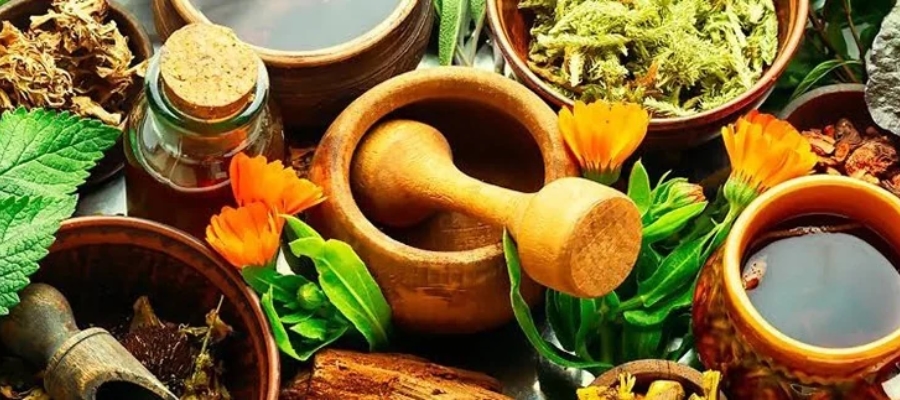
Remember, they are not interchangeable, and their effectiveness depends on the condition being addressed and the evidence supporting a particular treatment.
Modern medicine heavily relies on scientific research, clinical trials, diagnostic investigations, and established treatment guidelines. Homeopathy, on the other hand, follows the principle of treating like with like through specially prepared, highly diluted substances.
Ayurveda draws on traditional concepts of bodily balance, dietary practices, herbal preparations, and daily routines. And that's why many people appreciate Ayurveda for its cultural roots and holistic outlook.
Modern medicines focus on fast action on a single targeted issue, while homeopathy is a slower approach to a single targeted issue. The ayurvedic approach is more about a wholesome approach to your well-being
Understanding these differences helps us appreciate traditional wellness without turning healthcare into a competition. The real purpose of any healthcare decision should be to support your well-being with an approach that is appropriate, effective, and suited to your needs.
Allopathy: The Strength of Modern Medicine
Without a doubt, modern medicine has changed countless lives through advances in surgery, vaccination, diagnostic technology, emergency treatment, and the management of chronic illnesses.
When someone experiences a serious infection, sustains an injury, or requires an urgent medical procedure, evidence-based medical care can make an extraordinary difference.

It also provides valuable tools for identifying conditions that may not produce obvious symptoms in their early stages. From blood tests and imaging to targeted therapies, modern healthcare gives clinicians ways to understand what is happening inside the body and decide how best to respond.
Its strength also lies in its ability to evolve as scientific knowledge develops. Treatments are studied, refined, and assessed for their benefits and potential adverse effects.
Medicines can sometimes cause unwanted reactions, and clinicians consider these risks when choosing a treatment, but that does not make modern medicine inherently harmful. In fact, appropriate treatment can prevent complications and improve quality of life.
Ayurveda can complement a person's broader wellness routine through suitable dietary habits, relaxation practices, and selected traditional preparations, but it should not replace necessary medical treatment.
Recognising the strengths of modern medicine allows us to appreciate the place of traditional wellness practices without overlooking the importance of evidence-based care.
Homeopathy: A Different Philosophy of Healing
Homeopathy developed in Europe during the late eighteenth century and is based on the idea that a substance capable of producing certain symptoms in a healthy person may, in a highly diluted preparation, be used to treat similar symptoms in someone who is unwell.
Homeopathic preparations often undergo repeated dilution and shaking, a process traditionally described as potentisation. This approach differs considerably from both conventional pharmacology and Ayurveda, which uses a range of plant-derived ingredients and other traditional preparations.
Many individuals are attracted to homeopathy due to its personalized consultations, allowing ample time to discuss their unique experiences, routines, and symptoms. Homeopathic remedies can provide effective treatment for certain health conditions, extending beyond mere placebo effects. This differentiation is crucial when selecting care for health issues.
Ayurveda, on the other hand, boasts a rich history that encompasses dietary advice, massage, meditation, and herbal preparations. Instead of presuming that one system fits all individuals or conditions, it is more beneficial to comprehend the specifics of each approach and make informed decisions based on the quality of evidence, personal situations, and suitable professional guidance.
Ayurveda: A Traditional Approach to Whole-Body Wellness
Ayurveda comes from the Sanskrit words Ayur, meaning life, and Veda, meaning knowledge. Its philosophy considers health in relation to the body, mind, daily habits, food, environment, and individual constitution.
Developed over centuries in India, it includes traditional approaches to nutrition, physical activity, rest, herbal preparations, and personal care. For many people, this emphasis on everyday habits is what makes Ayurveda meaningful. It encourages a more thoughtful relationship with the body, asking us to pay attention to how we eat, sleep, move, and respond to the demands of daily life.
Think about how you feel after several nights of poor sleep, hurried meals, and long hours at a desk. You may notice that your energy changes, your digestion feels different, or your mood becomes less settled. Ayurveda places considerable importance on observing these patterns and creating routines that support balance.
Its traditional concepts offer a framework for thinking about well-being, although they should not be confused with modern scientific explanations of human physiology.
The practical appeal of Ayurveda often lies in its emphasis on consistency: eating nourishing meals, establishing regular sleep habits, making time for movement, and choosing personal-care practices that help you feel grounded.
These habits can contribute to a healthier lifestyle while allowing room for appropriate medical care when needed.
Understanding Doshas, Agni, and Everyday Balance
Three central concepts in Ayurveda are Doshas, Agni, and Ama. Doshas are traditionally described as Vata, Pitta, and Kapha, representing different functional principles within the Ayurvedic understanding of the body. Vata is associated with movement, Pitta with transformation, and Kapha with structure and stability. Ayurvedic practitioners use these concepts to discuss individual constitution and patterns of imbalance. They form part of a traditional framework rather than being direct equivalents of scientifically measured biological systems.
Agni, commonly translated as digestive fire, represents the body's capacity to transform food and support nourishment within Ayurvedic philosophy.
Ama refers to material traditionally understood as the result of incomplete digestion or metabolism. These concepts encourage reflection on eating patterns, digestive comfort, and everyday habits, but Ama should not be interpreted as a scientifically established toxin circulating through the bloodstream.
In practical terms, Ayurveda often encourages people to pay attention to meal timing, food choices, physical activity, and rest. For someone living with a busy schedule, that might mean enjoying breakfast without rushing, taking a short walk after meals, or creating a calming bedtime routine. Small changes can become meaningful acts of self-care when practiced consistently.
How Ayurveda Connects with Everyday Health Needs
One reason Ayurveda remains popular is its broad range of traditional practices. Rather than focusing exclusively on a single symptom, it often considers how nutrition, movement, rest, and personal habits fit together. This approach can feel especially relevant when daily responsibilities leave little room for self-care.
Modern Ayurvedic products are available in forms such as oils, tablets, capsules, syrups, and drops. These formats make certain traditional preparations easier to incorporate into daily life, depending on their ingredients and directions for use. Brands such as MarcCure offer a range of products associated with different wellness needs, including joint comfort, digestive health, liver support, and respiratory care.
A thoughtful wellness routine starts with understanding your needs, building sustainable habits, and choosing products based on their formulation and suitability.
Joint Comfort and Freedom of Movement
Moving through the day without worrying about discomfort is very comforting, but it can feel like an impossible dream. Joint stiffness and muscle soreness can make everyday tasks harder, impacting your daily activities.
A gentle massage can be very relaxing, especially when paired with warmth and a calm environment. MarcCure provides topical and Ayurvedic products, such as Marcogesic Oil and Nervogesic Oil. Massage can create a soothing experience.
Digestive Wellness and Liver Health
Digestive comfort influences how we experience our everyday lives. When meals are irregular, fibre intake is low, or stress becomes a constant companion, some people experience bloating, constipation, or changes in their bowel habits. The digestive system also responds to hydration, physical activity, sleep, and the composition of our diets. Creating a balanced routine can therefore begin with simple choices: eating a variety of vegetables and fruits, including suitable sources of fiber, drinking enough water, and allowing yourself time to enjoy meals instead of rushing through them.
Ayurveda has traditionally placed digestion at the center of overall well-being. Its dietary principles encourage attention to meal patterns and individual tolerance, while contemporary nutritional science also recognizes the importance of fiber, hydration, and dietary variety. MarcCure offers products in several digestive and liver-support categories, including Zyme-Marc Syrup and Isadiet Plus. These products serve different intended purposes, so their formulations and directions matter.
The liver deserves similar attention because it processes nutrients, metabolizes many substances, and performs essential functions throughout the body. A balanced diet, regular physical activity, and moderation with alcohol can support general health. MarcCure's Marc Liv DS Syrup and Marc Liv Tablets are marketed in the liver-support category. People interested in these products should review the actual ingredient lists and intended uses rather than assuming that an herbal formulation can reverse liver damage or replace medical care.
Looking after digestive and liver health is ultimately about giving the body consistent support through everyday habits and making informed choices about the products we use.
Immunity and Everyday Vitality
Feeling energetic and resilient makes it easier to enjoy the small things that give life meaning. You may want to get through a demanding workday, spend an evening with friends, or wake up feeling ready to take on a new challenge.
General well-being depends on many interconnected factors, including nutrition, sleep, movement, stress management, and underlying health conditions. Immunity, in particular, is a complex function of the body rather than a single switch that can simply be turned on by a supplement.
Ayurveda uses the concept of Ojas to describe a form of vitality associated with strength and resilience. Within this traditional framework, regular routines, nourishing food, rest, and certain herbal preparations are considered important elements of well-being.
MarcCure's G-Don Capsules, which are associated with ingredients such as Giloy and papaya leaf extract, represent one example of products marketed within the herbal wellness category. Additionally, products that serve as platelets boosters and support blood health can also contribute to overall vitality and well-being.
Respiratory Comfort and Urinary Wellness
Breathing comfortably is something many people take for granted until seasonal dust, pollution, or a cold makes it difficult. A blocked nose can interfere with sleep, reduce concentration, and leave you feeling drained throughout the day. Simple measures such as staying hydrated, keeping indoor spaces clean, and avoiding known irritants can help support respiratory comfort.
Traditional wellness products often use aromatic ingredients associated with a refreshing sensory experience. MarcCure's Inhale Easy Spray and Marc Cold Drops are examples of products positioned within the respiratory-care category. Their ingredients and directions determine their intended use, so they should not automatically be treated as equivalent to medicines for every respiratory condition.
Megakof Cough Syrups is a range of products associated with cough care. Understanding the formulation can help people distinguish products intended to soothe particular symptoms from treatments designed for specific medical conditions.
Urinary wellness is another important part of overall health. Adequate hydration, when appropriate for an individual's medical circumstances, helps support normal urinary function. Changes in urination, discomfort, or recurring urinary symptoms can have different causes, so it is useful to understand what the body is communicating.
Bringing Ayurvedic Wellness into Modern Life
One of Ayurveda's key concepts is that self-care doesn't require drastic changes. A wellness routine can develop through small, manageable habits that fit into your lifestyle. Start your day with a few minutes of stretching, enjoy a balanced breakfast, take short breaks from screens, or establish a calming evening routine. These simple actions are valuable because of their consistency, making self-care feel like a natural part of your day.
Food plays a crucial role in wellness. Ayurvedic practices emphasize meal timing, preparation, and personal preferences. Mindful eating involves choosing a varied diet, savoring meals without distractions, and being aware of how foods affect you. There’s no one-size-fits-all diet; individual needs vary with age, activity, and health. The aim is to create a nourishing and enjoyable eating pattern rather than adhering to strict traditional rules.
Rest and emotional health are equally important. Quality sleep can make challenging days easier, while regular movement offers a break from mental stress. Practices like gentle yoga, breathing exercises, or meditation can help carve out personal time in busy schedules. These habits align with Ayurveda's focus on balance. Understanding the ingredients and uses of herbal products in your routine enhances their benefits, allowing traditional wellness to seamlessly integrate into daily life without complicating self-care.
Why Convenience Matters in Today's Wellness Journey
Traditional knowledge is easier to integrate into daily life when products and practices are accessible. Many appreciate herbal wellness but lack time for traditional preparations. Ready-to-use oils, tablets, capsules, and syrups offer convenient options. However, convenience is just one factor; ingredient transparency, manufacturing quality, clear directions, and intended use are also crucial.
Brands like MarcCure Ayurvedic medicines bridge traditional wellness with modern consumer needs, offering products for joint comfort, digestion, liver support, respiratory care, and vitality. It's essential to examine each formulation and how it aligns with personal wellness goals, as similar products may differ in ingredients and directions.
Self-care's emotional aspect is significant. Establishing a wellness routine allows for personal time in a demanding world, whether it's massaging tired muscles, preparing a nourishing meal, or resting without guilt. These moments highlight that health is part of the life we wish to enjoy.
Approaching traditional practices with curiosity and realistic expectations fosters a meaningful connection between cultural knowledge and contemporary routines.
Choosing a Wellness Routine That Feels Right
Your health journey is unique. What works for someone with a flexible schedule may not suit those with demanding jobs or caregiving duties. A practical wellness routine respects your circumstances and is sustainable. Start with one or two manageable habits, like setting a regular bedtime or taking short walks.
When exploring Ayurvedic products, focus on specific formulations instead of general claims. Herbal products vary in quality and effects, and what is natural may not be suitable for everyone. Review ingredient lists, intended uses, and directions, especially if you take medications or have health conditions.
Remember, well-being isn't about perfection. Some days you may cook a healthy meal and exercise; other days, you might just rest. A sustainable wellness approach accommodates changes and personal preferences. Ayurveda's daily habits can inspire consistency, while modern healthcare provides evidence-based solutions. Thoughtful lifestyle choices and informed healthcare can help you create a routine that aligns with your priorities.
Conclusion: A Thoughtful Approach to Wholeness
Well-being goes beyond just feeling good; it encompasses energy for goals, enjoyment of daily moments, and self-care. Ayurveda connects nutrition, movement, rest, and herbal remedies, emphasizing that small daily actions contribute significantly to our health.
While modern medicine is crucial for many health issues, homeopathy has not proven its benefits through reliable science. Ayurveda's practices vary in scientific backing, so it's essential to differentiate between traditional use and proven effectiveness. Instead of choosing one system over another, we can value daily wellness habits and make informed healthcare choices. For those looking to add herbal products to their routines, MarcCure provides options for joint comfort, digestive health, respiratory support, and overall vitality. Knowing each product's purpose enhances decision-making.
The best wellness routine respects your unique needs and fits your lifestyle. Begin with small habits, prioritize rest, nourish yourself wisely, and seek support when necessary. Caring for yourself is essential, empowering you to engage fully with what matters most in life.