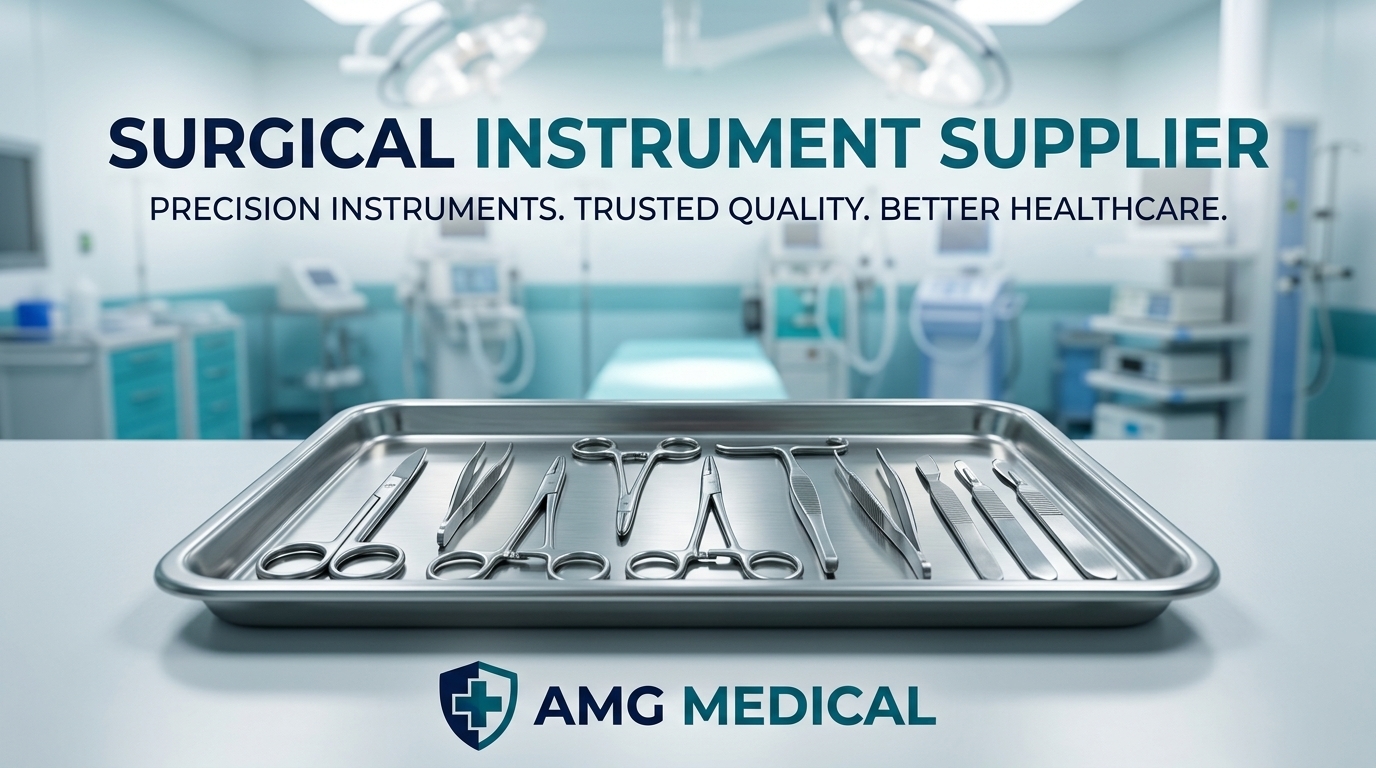
A surgical instrument supplier plays an important role in modern healthcare by providing hospitals, clinics, and medical centers with the tools they need for different procedures. Healthcare professionals depend on suitable equipment to support safe and effective patient care. From small clinics to large hospitals, access to reliable surgical instruments helps medical teams prepare for operations and complete their work with care.
A trusted supplier may offer a wide range of products, including scissors, forceps, clamps, retractors, and other tools used during surgery. Many suppliers also provide Biomedical equipment, which supports patient monitoring, diagnosis, and treatment. Choosing the right supplier helps healthcare facilities find suitable products, maintain quality standards, and manage their medical needs more effectively.
Understanding the Role of a Surgical Instrument Supplier
A surgical instrument supplier provides tools and products used by surgeons and other healthcare professionals. The supplier helps medical facilities find instruments that match the types of procedures they perform.
Different operations require different tools. A general surgery department may need cutting instruments, forceps, clamps, and needle holders, while a specialist department may need tools designed for a specific procedure. A reliable supplier can explain product features and help buyers select suitable options.
Suppliers may also support healthcare facilities by providing product details, order assistance, and information about care requirements. This can make the buying process easier for hospitals and clinics.
Importance of Quality Surgical Instruments
Quality is an important factor when selecting medical tools. Surgical instruments are used during procedures that require control and careful handling. Instruments should be made from suitable materials and designed for their intended use.
Well-made tools can provide a reliable grip and support accurate movements when used by trained professionals. Their design, size, and finish can affect how easily a surgeon handles them during an operation.
Healthcare facilities should check product quality, material details, and the supplier's reputation before placing an order. Choosing suitable instruments can help support daily work in operating rooms and other medical settings.
Types of Surgical Instruments Available
A surgical instrument supplier may offer several types of tools for different medical needs. Cutting instruments, such as scalpels and surgical scissors, help surgeons cut tissue or other materials. Grasping instruments, including forceps, help hold or move tissue during a procedure.
Clamps are used to hold tissue or blood vessels when needed, while retractors help move tissue away from the surgical area. Needle holders support stitching, and suction tools help remove blood or fluids from the working area.
The exact products available depend on the supplier. Hospitals should choose tools according to their procedures, staff training, and care requirements.
The Connection Between Surgical Instruments and Biomedical Equipment
Modern healthcare depends on more than surgical tools alone. Biomedical equipment also plays an important role in patient care. These devices include patient monitors, ECG machines, infusion pumps, and other systems used for diagnosis, treatment, or monitoring.
A medical facility may need both surgical tools and electronic devices to support its daily work. For example, an operating room may use surgical instruments alongside patient monitoring systems to help the team observe the patient's condition during a procedure.
When suppliers offer a suitable range of medical products, healthcare facilities may find it easier to manage purchasing and obtain information about different equipment needs. Buyers should still confirm that each product meets the required safety and quality standards.
Benefits of Choosing a Reliable Supplier
Working with a reliable supplier can make medical purchasing more organized. Hospitals need products that match their needs, arrive as agreed, and include clear information about their use and care.
A dependable supplier can help buyers understand available options and compare product features. Clear communication can also help prevent mistakes when ordering instruments in different sizes or designs.
Product availability is another important factor. Healthcare facilities need to plan their purchases so that essential tools are ready when required. A supplier with clear ordering processes can support this planning.
Supporting Hospital Efficiency
Hospitals manage many tasks every day, and missing or unsuitable equipment can affect their workflow. Having the correct surgical instruments available helps staff prepare for procedures and arrange the operating room properly.
A supplier who understands healthcare needs can help facilities identify the tools required for different departments. Good product information also helps staff choose items that fit their intended use.
Careful purchasing and organized stock management can reduce unnecessary delays. Healthcare facilities should regularly review their inventory and plan replacements when instruments become damaged or unsuitable for use.
Safety, Cleaning, and Maintenance
Surgical instruments must be handled and cared for correctly. Reusable tools need proper cleaning and sterilization according to approved procedures and the manufacturer's instructions. These steps help reduce the risk of infection and protect patients.
Instruments should also be inspected for rust, cracks, loose parts, or damaged tips. Any tool that does not work correctly should be removed from use until it has been checked.
Suppliers can provide product instructions and information about care requirements when available. However, healthcare facilities remain responsible for following their infection-control policies and ensuring that staff are trained to handle instruments safely.
Choosing the Right Surgical Instrument Supplier
Healthcare facilities should consider several factors before selecting a supplier. Product quality, range, clear product information, delivery arrangements, and after-sales support can all affect the buying decision.
Buyers should check whether the supplier can provide instruments suitable for their medical procedures. They should also ask about warranties, replacement options, and access to technical support where relevant.
For Biomedical equipment, facilities may need additional details about installation, calibration, maintenance, and staff training. Checking these needs before purchasing can help prevent problems later.
The Value of Long-Term Supplier Relationships
A good working relationship with a supplier can help healthcare facilities manage their equipment needs over time. Regular communication makes it easier to discuss new requirements, request product information, and plan future orders.
As medical services grow, hospitals may need additional tools or new types of equipment. A supplier who understands the facility's needs can help buyers explore suitable options.
Long-term planning also supports better stock control and helps facilities review the condition of existing instruments. However, every purchase should still be based on product quality, safety, and suitability rather than the relationship alone.
Conclusion
A surgical instrument supplier is an important part of the healthcare supply process. The right supplier helps hospitals, clinics, and medical centers find suitable tools for different procedures. Quality surgical instruments support cutting, holding, clamping, and other tasks, while Biomedical equipment helps with monitoring, diagnosis, and treatment.
Healthcare facilities should look for suppliers who provide clear product information, suitable options, and dependable service. They should also focus on proper cleaning, safe use, regular inspection, and staff training.
By choosing suitable products and working with reliable suppliers, healthcare facilities can manage their equipment needs more effectively and support safe, organized patient care.
More Info: Amg Medical