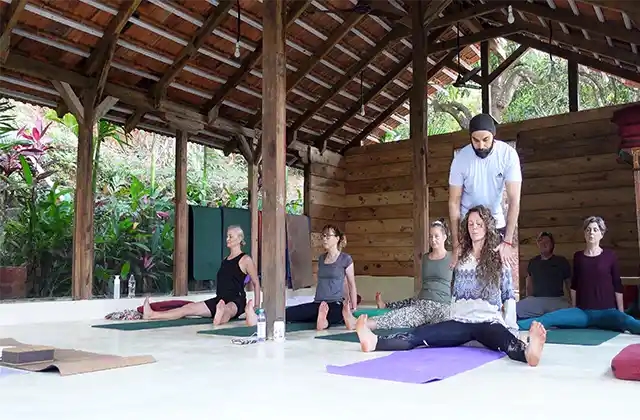
Yoga is more than a physical activity. It is a way of developing balance, discipline, awareness, and a healthier lifestyle. Over the years, yoga has become popular across the world, attracting people who want to improve their well-being and explore a deeper connection between their mind and body.
For those who wish to turn their interest in yoga into a professional career, enrolling in a recognised teacher training programme can be an important first step. India is one of the most popular destinations for learning yoga because of its traditional roots, experienced teachers, and established yoga learning centres.
Why Choose India for Yoga Teacher Training?
India has a long history of yoga and spiritual learning. Many people from different countries visit India to understand traditional yoga practices and learn directly from experienced instructors.
One of the biggest advantages of studying yoga in India is the opportunity to experience yoga beyond physical exercises. Students can explore breathing techniques, meditation, yoga philosophy, and traditional practices as part of their learning journey.
India also offers different learning environments, from peaceful mountain locations to dedicated yoga schools in traditional spiritual destinations. This gives students the opportunity to choose a place that matches their learning preferences.
Understanding a 200-Hour Yoga Teacher Training Programme
A 200-hour programme is generally considered an important foundation for people interested in becoming yoga teachers. It introduces students to essential yoga concepts and provides structured training in both theory and practical sessions.
A 200 hour yoga ttc in india can be a suitable option for beginners, regular yoga practitioners, and individuals who want to develop their teaching skills.
During the training, students generally explore several important areas:
Asana Practice: Learning different yoga postures, their correct alignment, and modifications.
Pranayama: Understanding breathing techniques and their role in yoga practice.
Meditation: Developing concentration, awareness, and mental relaxation.
Yoga Philosophy: Learning traditional yoga principles and their relevance in everyday life.
Teaching Methodology: Understanding how to plan and conduct yoga classes.
Anatomy and Physiology: Learning about the human body and the physical aspects of yoga practice.
The combination of these subjects helps students build a strong foundation and develop confidence in their personal practice and future teaching journey.
Who Can Join a Yoga Teacher Training Course?
A yoga teacher training course is not limited to people who already work as yoga instructors. Individuals with different backgrounds can consider joining, depending on the school's admission requirements.
It may be suitable for:
Beginners interested in yoga: People who want to understand yoga more deeply and develop a consistent practice.
Regular yoga practitioners: Individuals who wish to improve their knowledge of postures, breathing, and meditation.
Aspiring yoga teachers: People planning to teach yoga professionally and share their knowledge with others.
Wellness enthusiasts: Individuals interested in personal development, mindfulness, and a balanced lifestyle.
Before enrolling, students should check the school's eligibility requirements, course curriculum, teaching approach, and certification details.
What to Consider Before Selecting a Yoga School?
Choosing the right yoga school is an important decision. Since training involves time, effort, and financial investment, students should carefully compare available options.
Here are some factors worth considering:
1. Course Curriculum
Check whether the programme covers yoga postures, breathing exercises, meditation, anatomy, philosophy, and teaching methodology. A well-structured curriculum provides a balanced learning experience.
2. Experienced Teachers
The quality of instruction plays an important role in learning. Look for schools that provide information about their teachers, qualifications, and teaching experience.
3. Practical Teaching Experience
Learning yoga is not only about understanding theory. Students should also get opportunities to practise teaching, receive feedback, and improve their communication skills.
4. Accommodation and Facilities
For students travelling from other cities or countries, accommodation, food, classroom facilities, and the surrounding environment can make a difference to their overall experience.
5. Certification and Recognition
Always check the certification offered by the school. If you are planning to teach internationally, understand the relevant registration requirements and whether the programme meets your intended professional goals.
Benefits of Completing a 200-Hour Training Programme
A structured yoga teacher training programme can provide several benefits beyond learning physical postures.
First, it helps students develop a better understanding of traditional yoga practices. Regular training can also improve body awareness, concentration, flexibility, and discipline.
Another important benefit is the opportunity to learn teaching skills. Students can understand how to structure a class, guide participants through different postures, and create a comfortable learning environment.
For those interested in a professional career, completing a recognised programme can provide a foundation for exploring teaching opportunities at yoga studios, wellness centres, retreats, and private sessions.
However, becoming a confident teacher requires continuous practice, experience, and a willingness to keep learning.
Why Learn Yoga from Its Traditional Roots?
Yoga originated in India, and its traditional approach includes much more than physical movement. It connects different practices that encourage awareness, discipline, and a balanced way of living.
Learning in India can help students explore this broader understanding of yoga. They can experience traditional teaching methods, study yoga philosophy, and develop a deeper appreciation of the principles behind the practice.
This experience can be valuable for anyone who wants to understand yoga as a complete discipline rather than simply a fitness routine.
Take the Next Step Towards Your Yoga Journey
Choosing a yoga teacher training programme is a personal decision. Before making a commitment, compare the curriculum, teaching faculty, facilities, schedule, and certification offered by different schools.
If you are planning to develop your yoga knowledge and explore professional teaching opportunities, consider learning more about the available training options at Yoga Chaitanya.
Explore the Yoga Teacher Training in India programme to discover more about the course and take the next step towards your yoga learning journey.
You can also visit Yoga Chaitanya on Pinterest for yoga-related inspiration, ideas, and learning resources.
A meaningful yoga journey begins with the right knowledge, consistent practice, and guidance from experienced teachers. Choose a programme that supports your goals and helps you build a strong foundation for the future.