Communication is an important part of learning, relationships, education, and everyday life. When someone has difficulty speaking clearly, understanding language, expressing thoughts, or maintaining fluent speech, professional support can make a meaningful difference. A qualified Speech Therapist works with children and adults to identify communication difficulties and develop suitable strategies to improve speech and language skills.
What Does a Speech Therapist Do?
A speech therapist helps people manage a wide range of speech and communication difficulties. The first step is usually understanding the person's specific needs through an appropriate assessment. Based on the findings, the therapist can create an individualized therapy plan.
Therapy may focus on pronunciation, language development, fluency, voice, or other communication skills. Sessions often include structured exercises and activities that encourage individuals to practice and gradually improve their communication abilities.
Speech Therapy for Kids
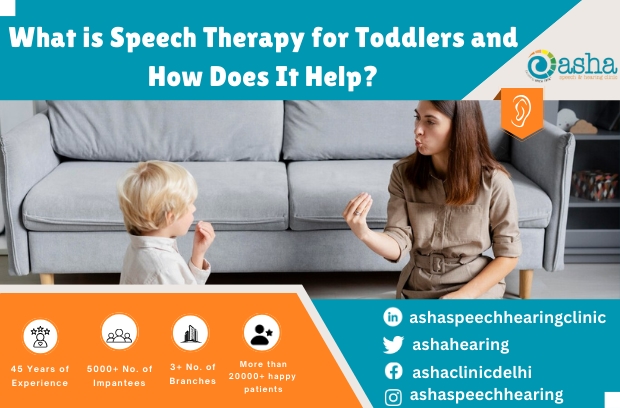
Speech Therapy for Kids can be especially helpful when children experience difficulties with speech or language development. Some children may have trouble pronouncing certain sounds, forming words, understanding language, or communicating their thoughts effectively.
Early professional guidance can help parents understand their child's communication needs and identify suitable ways to support development. Therapy activities for children are generally adapted to their age and abilities. Games, conversation activities, repetition, and other engaging exercises may be used to make sessions comfortable and encouraging.
The goal is not simply to make a child speak more clearly. Therapy can also support language development, communication confidence, and the ability to participate more effectively in everyday interactions.
Why Early Support Can Matter
Children develop communication skills at different rates, but persistent concerns may benefit from professional evaluation. Early assessment can help identify areas where a child may need additional support.
Parents who notice ongoing difficulty with speech, language, pronunciation, or communication can discuss their concerns with a qualified professional. A speech therapist can explain the available options and recommend an approach based on the child's individual requirements.
Choosing the Right Speech Therapist
When choosing a Speech Therapist, consider professional qualifications, experience, available services, and whether the therapist works with the specific communication concern involved. A comfortable and supportive environment can also help children and adults participate more positively in therapy.
Asha Speech & Hearing Clinic provides speech and communication support tailored to individual needs. Its services are designed to help children and adults work on communication skills through professional guidance and personalized therapy.
Supporting Progress Beyond Therapy
Regular practice can complement professional therapy. Parents and caregivers can encourage children to communicate during everyday activities, read together, ask questions, and give them enough time to express themselves. Consistent encouragement can make communication practice feel natural rather than stressful.
For adults, applying therapy techniques during conversations and daily activities can also reinforce new skills.
Overall, working with a qualified Speech Therapist can provide structured support for people experiencing communication difficulties. With individualized assessment, appropriate therapy, and consistent practice, children and adults can work toward clearer, more effective, and more confident communication.