Understanding Spectra Laser Carbon Peel
Spectra laser carbon peel in Riyadh is a modern cosmetic skin treatment that combines a carbon-based facial application with laser energy to address concerns such as uneven skin tone, dullness, excess oil, enlarged-looking pores, and rough texture. People often consider the treatment when they want smoother, cleaner, more refreshed-looking skin without an invasive procedure.
The treatment uses a liquid carbon preparation applied to the skin before laser energy is delivered. The carbon interacts with surface impurities, oil, and dead skin cells, while the laser removes the carbon and stimulates the skin. This combination can provide both surface-level cleansing and a refreshed appearance, making it relevant to individuals looking for non-surgical facial rejuvenation.
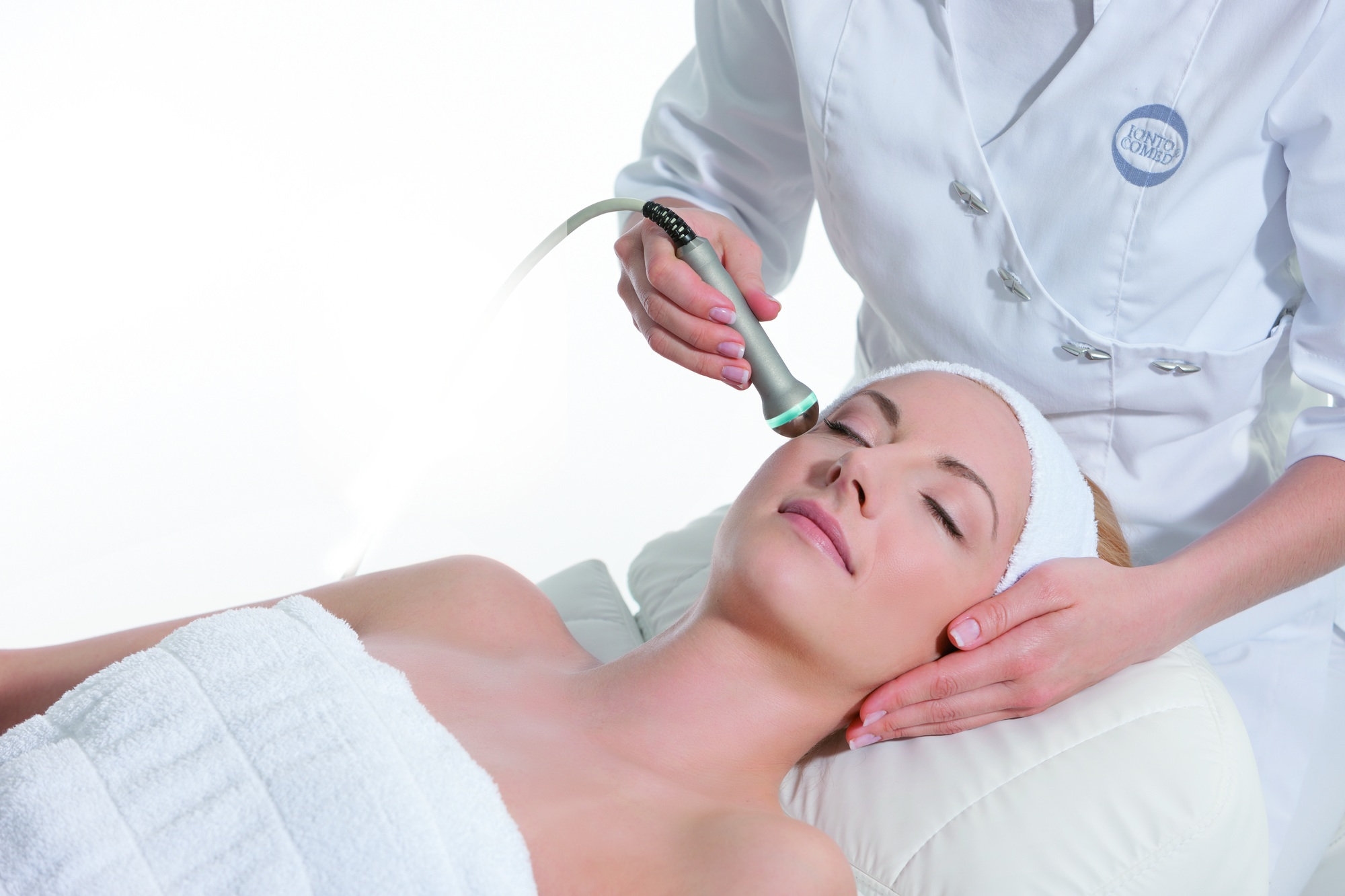
How Spectra Laser Carbon Peel Works
The Carbon Preparation
During a typical carbon peel, a thin layer of liquid carbon is spread over the treatment area. The carbon can settle into pores and attach to substances such as excess oil and surface debris. Once the preparation has been applied, it is allowed to interact with the skin before the laser phase begins.
This preparation creates a surface that can respond to the laser energy. The process is designed to work primarily on superficial concerns rather than requiring deep surgical intervention. The exact preparation and treatment approach can vary according to the individual's skin characteristics and the professional's assessment.
The Laser Phase
A Spectra laser device delivers controlled energy over the carbon-coated skin. The interaction between the laser and carbon helps remove the carbon layer along with some of the material attached to it. The procedure can also produce controlled thermal effects within the skin, which may support a smoother-looking complexion.
Because treatment parameters can be adjusted, professionals can consider factors such as skin type, pigmentation concerns, sensitivity, and the area being treated. Proper assessment is important because laser treatments should be tailored rather than performed using identical settings for every person.
Spectra Laser Carbon Peel in Saudi Arabia for Skin Texture
Spectra laser carbon peel in Saudi Arabia is increasingly discussed as an option for people concerned about uneven or rough-looking facial texture. Texture can become more noticeable because of accumulated dead skin cells, excess sebum, environmental exposure, and natural changes in the skin.
A carbon peel may help create a smoother surface by removing superficial impurities and unwanted buildup. The immediate effect can make the skin feel cleaner and softer. With an appropriate treatment plan, repeated sessions may be considered when the goal involves ongoing improvement in the appearance of texture.
However, expectations should remain realistic. A carbon peel is not designed to replace treatments intended for significant scarring, deep wrinkles, or major structural skin changes. A professional evaluation can help determine whether the treatment corresponds with the individual's particular concern.
Improving Uneven Skin Tone
Addressing Dull-Looking Skin
Uneven tone can make the complexion appear tired or less vibrant. Factors such as sun exposure, post-inflammatory pigmentation, accumulated surface cells, and environmental stress can contribute to changes in the appearance of skin tone.
Spectra laser carbon peel in Riyadh may help refresh the surface of the skin and produce a brighter-looking complexion. The exfoliating and cleansing effects can remove superficial buildup that contributes to dullness. Laser energy may also influence the appearance of pigmentation depending on the treatment settings and the nature of the concern.
Skin pigmentation can have many different causes, so results are not necessarily identical for everyone. People with persistent or pronounced pigmentation should receive an appropriate assessment before selecting a laser-based treatment.
Benefits for Oily and Congested Skin
Managing Excess Surface Oil
Excess oil can contribute to a shiny appearance and may make pores look more prominent. Carbon treatments are often selected because the carbon layer can interact with oil and surface debris before the laser removes it.
This cleansing effect may leave the skin feeling fresher and less congested. For individuals with oily or combination skin, the treatment may form part of a broader skincare approach that includes appropriate cleansing, moisturization, and sun protection.
Improving the Appearance of Pores
Pores cannot be permanently removed because they are normal structures of the skin. However, their appearance can sometimes become more noticeable when they contain oil or debris.
A carbon peel may make pores appear less prominent by helping remove surface buildup. Improvements in skin texture can also contribute to a more refined-looking complexion. The degree of visible change depends on factors including pore structure, oil production, skin condition, and the treatment plan.
What to Expect During Treatment
A professional usually begins by evaluating the skin and discussing the concerns the person wants to address. The treatment area is then prepared, and the carbon product is applied before the laser is used.
Sensations during treatment can vary. Some people describe laser carbon peel procedures as involving warmth or a series of mild snapping sensations. The experience depends on the device, settings, treatment area, and individual sensitivity.
After treatment, the skin may look temporarily pink or feel warm. These effects generally settle, although the duration can vary. Following the recommended aftercare instructions is important for supporting the skin barrier and reducing unnecessary irritation.
Recovery and Aftercare
Protecting the Skin After Treatment
Post-treatment care can influence how comfortably the skin returns to its normal appearance. Gentle cleansing and suitable moisturization are commonly important after cosmetic laser procedures. Avoiding unnecessary friction or harsh skincare products can also help minimize irritation.
Sun protection is particularly important because recently treated skin may be more vulnerable to environmental exposure. A broad-spectrum sunscreen can help protect the skin from ultraviolet radiation and reduce the risk of pigmentation becoming more noticeable.
When to Resume Skincare Products
The timing for returning to active skincare ingredients depends on the treatment intensity and individual skin response. Products containing strong exfoliating ingredients or other potentially irritating compounds may need to be paused temporarily.
Rather than following a universal schedule, patients should follow the specific aftercare guidance provided by the treating professional. This is especially relevant for individuals who already use prescription or intensive skincare products.
Who May Consider Spectra Laser Carbon Peel?
People experiencing dull-looking skin, uneven texture, excess oil, or the appearance of enlarged pores may consider a carbon peel. It can be particularly appealing to individuals seeking a non-surgical facial treatment with limited disruption to their routine.
Nevertheless, suitability cannot be determined from a general description alone. Skin sensitivity, active skin conditions, pigmentation patterns, previous treatments, medications, and personal treatment goals can all influence whether laser treatment is appropriate.
A consultation allows these factors to be reviewed before treatment. It also provides an opportunity to discuss realistic outcomes and whether another procedure or skincare approach may be more suitable.
Spectra Laser Carbon Peel and Skin Rejuvenation
Spectra laser carbon peel in Riyadh can be incorporated into broader facial rejuvenation plans when the primary objective is improving the surface appearance of the skin. Rather than changing facial structure, the treatment focuses on concerns such as texture, oiliness, dullness, and complexion clarity.
Skin rejuvenation is often most effective when treatment is combined with consistent daily skincare habits. Adequate moisturization, sun protection, gentle cleansing, and an appropriate skincare routine can help maintain the appearance of healthier skin between professional treatments.
The number and frequency of treatments should not be assumed to be the same for every individual. A professional can determine an appropriate approach after examining the skin and understanding the desired outcome.
Understanding Results and Expectations
Results from a carbon peel can vary considerably. Some individuals may notice a fresher or smoother appearance relatively soon after treatment, while other changes may require a series of treatments or additional skincare measures.
It is also important to distinguish temporary cosmetic brightness from longer-term changes in skin condition. The treatment can support improvements in surface appearance, but it cannot stop natural aging or permanently prevent pigmentation, oil production, or changes in skin texture.
For this reason, realistic expectations are an important part of treatment planning. A professional should explain what the procedure is intended to address and what types of concerns may require alternative treatments.
Choosing a Professional Treatment Approach
Selecting an appropriately qualified professional is an important part of any laser-based cosmetic procedure. The consultation should include a discussion of skin type, existing concerns, previous procedures, skincare products, and potential risks.
Patients should also feel comfortable asking how the treatment will be performed, what aftercare is recommended, and what results can realistically be expected. An individualized approach is preferable to assuming that the same laser settings or treatment plan will work for everyone.
Conclusion
Spectra laser carbon peel in Riyadh offers a non-surgical approach for people interested in improving the appearance of skin texture, tone, oiliness, and overall facial freshness. By combining a carbon preparation with controlled laser energy, the procedure is designed to remove superficial buildup and support a smoother-looking complexion. Spectra laser carbon peel in Saudi Arabia may therefore appeal to individuals seeking modern facial rejuvenation, but suitability and expected results depend on individual skin characteristics. Those considering the treatment can discuss their goals, skin condition, treatment options, and aftercare requirements with a qualified professional at Enfield Royal Clinic Saudi before making a decision.
Frequently Asked Questions
What Is Spectra Laser Carbon Peel in Riyadh?
Spectra laser carbon peel in Riyadh is a cosmetic laser treatment that uses a carbon-based preparation followed by laser energy. It is commonly used to address the appearance of dullness, excess oil, uneven texture, and enlarged-looking pores.
How Does Spectra Laser Carbon Peel Improve Skin Texture?
The treatment can remove superficial oil, debris, and dead skin cells from the skin surface. This exfoliating and cleansing action may help the complexion appear smoother and more refined.
Can Spectra Laser Carbon Peel Help Uneven Skin Tone?
It may help improve the appearance of certain superficial pigmentation and dullness. However, pigmentation has different causes, and the expected outcome depends on the individual's skin condition and treatment settings.
Is Spectra Laser Carbon Peel Suitable for Oily Skin?
People with oily or combination skin may consider the treatment because carbon can interact with surface oil and debris. A professional assessment is still necessary to determine whether it is appropriate for a particular skin type.
What Is Spectra Laser Carbon Peel in Saudi Arabia Used For?
Spectra laser carbon peel in Saudi Arabia may be used as part of facial skin rejuvenation for concerns including dull-looking skin, uneven texture, excess oil, and the appearance of enlarged pores.
What Should I Do After a Spectra Laser Carbon Peel?
Aftercare generally focuses on keeping the skin comfortable and protected. Gentle skincare, adequate moisturization, avoiding unnecessary irritation, and consistent sun protection are important considerations. Specific instructions should be based on the individual's treatment and skin response.