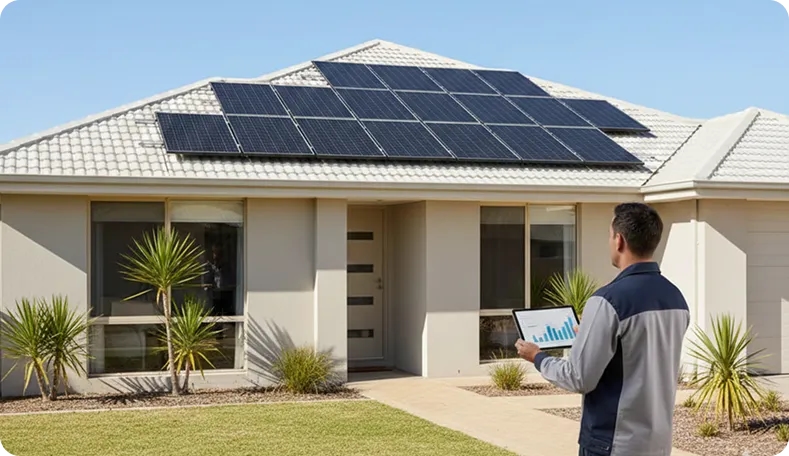
Perth’s abundant sunshine makes solar power an increasingly practical option for homes and businesses seeking to manage electricity costs and improve energy efficiency. Choosing the right solar panel Perth WA system involves more than selecting panels. Homeowners need to consider roof orientation, system size, inverter performance, battery storage, electricity consumption, and available incentives. A well-designed solar system can convert sunlight into usable electricity during the day and, when paired with a battery, store excess generation for later use. For households exploring solar electricity Perth, understanding how these components work together is an important first step toward making an informed investment.
Understanding Solar Panel Perth WA Systems
A modern solar panel Perth WA installation generally combines photovoltaic panels, an inverter, mounting equipment, electrical protection, and monitoring technology. The panels capture sunlight and generate direct current electricity, while the inverter converts that electricity into alternating current suitable for household appliances. Brands such as SunPower, REC, LONGi, JinkoSolar, Fronius, Sungrow, and Tesla are widely recognised in the solar industry, although product suitability depends on the specific property and system design.
The quality of a solar installation depends on how well each component works as a complete system. Roof condition, shading from nearby buildings or trees, panel placement, cable design, inverter capacity, and future energy requirements should all be considered. A system designed around actual household consumption can be more useful than simply selecting the largest available array.
How Solar Electricity Perth Works
Solar electricity Perth systems generate the most energy when sunlight is available during daylight hours. Electricity produced by the panels can be used immediately to operate appliances such as refrigerators, air conditioners, washing machines, computers, and pool equipment. If generation exceeds immediate demand, surplus electricity may be exported to the grid or stored in a battery, depending on the system configuration.
This makes energy-use patterns particularly important. Running suitable appliances during periods of strong solar generation can increase direct consumption of renewable electricity. A smart monitoring system can help households understand when their panels are producing energy and how much electricity they are using throughout the day.
Choosing the Right Panels and Inverter
When comparing solar panel Perth WA options, efficiency is only one consideration. Panel warranties, degradation rates, temperature performance, physical dimensions, product availability, and manufacturer support can also influence long-term suitability. A high-efficiency panel can be useful where roof space is limited, while a larger roof may provide greater flexibility in panel selection.
The inverter is equally important because it manages the conversion of electricity generated by the panels. Fronius and Sungrow are examples of established inverter brands, while hybrid inverters can support battery integration. Selecting an inverter with suitable capacity and features can help a solar system accommodate future changes, including additional panels or battery storage.
Battery Storage for Greater Energy Flexibility
A battery can change how a household uses solar electricity Perth systems. Instead of exporting all surplus daytime generation, a battery can store some of that energy for use later in the evening. This can be particularly useful for households that consume substantial electricity after sunset.
Tesla Powerwall is one well-known home battery product, while other manufacturers offer different capacities, operating features, and installation configurations. Battery selection should be based on electricity consumption, desired backup capability, available solar generation, budget, and expected usage patterns rather than brand recognition alone.
A battery is not automatically necessary for every property. Some households may benefit from increasing daytime solar consumption first, while others may have energy-use patterns that make storage more relevant.
Understanding Rebates and Solar Incentives
A solar rebate can significantly affect the upfront cost of installing a solar system. Australian solar incentives can change according to eligibility requirements, system specifications, government policy, and market conditions. Homeowners should check the current requirements before making a purchase rather than relying on older rebate estimates.
When assessing solar panel Perth WA costs, it is useful to compare the system price before incentives, the applicable rebate or incentive, installation expenses, expected electricity production, and potential ongoing savings. Obtaining a detailed quotation can make these figures easier to understand.
Solar and EV Charging
The growth of electric vehicles has created another opportunity for households considering solar. An EV charger can use electricity generated by rooftop panels to help charge an electric vehicle. When charging is scheduled around periods of strong solar production, homeowners may be able to increase their direct use of renewable electricity.
A properly designed solar electricity Perth setup can therefore support several modern energy needs at once: household appliances, battery storage, and EV charging. The electrical capacity of the property and charger should be assessed before installation to ensure the overall system is appropriately configured.
Solar for Perth Homes and Businesses
Solar is not limited to residential properties. Offices, retail premises, warehouses, workshops, and other commercial buildings can also use rooftop solar to offset part of their electricity consumption. Commercial properties may have large daytime loads, which can align naturally with solar generation.
For residential customers, factors such as air-conditioning use, pool pumps, hot-water systems, and household occupancy can influence system sizing. For businesses, operating hours and equipment loads can be even more significant. In both situations, energy data provides a stronger basis for system design than a standard package selected without assessing consumption.
Perth Areas Where Solar Is Being Considered
Solar solutions can be relevant across many Perth neighbourhoods, including Ashfield, Balcatta, Bayswater, Belmont, Bentley, Cannington, Carlisle, Churchlands, Cloverdale, Dalkeith, Dianella, East Perth, Embleton, Floreat, Glendalough, Joondanna, Kewdale, Nedlands, Nollamara, Osborne Park, Queens Park, Redcliffe, Shenton Park, St James, Subiaco, Tuart Hill, Victoria Park, and West Perth.
Each property has different conditions. Roof pitch, orientation, available space, shading, building age, and electricity consumption can all affect the recommended system. Even neighbouring homes may require different solar configurations because their energy needs and roof structures are not identical.
Comparing Solar Quotes
A detailed quote should explain the proposed panels, inverter, system capacity, installation work, warranties, monitoring arrangements, and any applicable rebate. Comparing several quotations can help homeowners identify differences in equipment quality, system design, installation scope, and after-sales support.
Rather than focusing only on the lowest initial price, it is useful to consider the expected operating life of the system and the quality of the components. A solar system is a long-term energy investment, so clear documentation and professional installation are important considerations.
Making Solar More Efficient
Getting the most from solar electricity Perth involves more than installing panels. Households can improve solar utilisation by operating high-energy appliances during daylight hours, monitoring production, maintaining panels, and reviewing electricity consumption periodically.
For properties with changing energy needs, a system may also be designed with future battery or EV charging requirements in mind. This approach can reduce the need for major electrical changes later and create a more adaptable home energy setup.
Conclusion
Choosing solar panel Perth WA technology requires careful consideration of panels, inverter capacity, battery options, electricity consumption, roof characteristics, installation quality, and available incentives. Solar electricity Perth can provide a practical way for households and businesses to generate renewable energy while improving control over their electricity use. With recognised brands such as REC, LONGi, JinkoSolar, Fronius, Sungrow, and Tesla available across different parts of the solar market, consumers have a range of technologies to investigate. A properly assessed system, supported by a clear quotation and suitable design, can provide a flexible foundation for modern energy needs, including battery storage and EV charging.
Location:- Perth, Western Australia