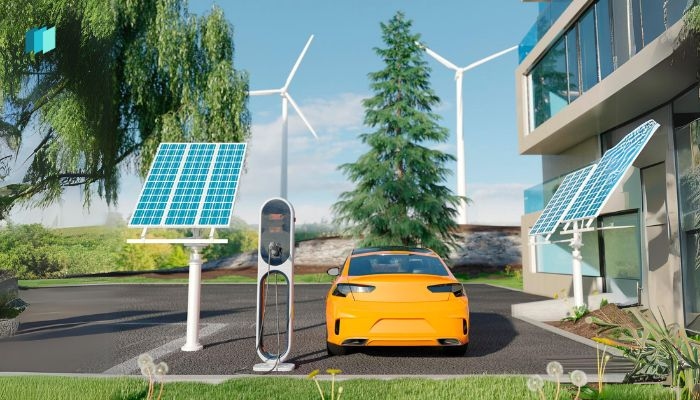
As electric vehicles become more common, drivers are looking for convenient and affordable ways to charge their cars. A solar EV charger offers an attractive solution by combining renewable solar energy with electric vehicle charging. Instead of depending entirely on electricity from the conventional grid, homeowners and businesses can use energy produced by solar panels to support their vehicle charging needs. This approach can reduce reliance on traditional electricity, improve energy independence, and make everyday transportation more sustainable.
The growing interest in clean energy has made solar-powered charging especially relevant for households that already have rooftop solar systems. During daylight hours, solar panels can generate electricity that may be directed toward an electric vehicle. Depending on the system design, excess solar generation can also be stored in batteries for later use. This creates a more flexible energy ecosystem where the home, solar system, battery storage, and EV can work together efficiently. As charging technology continues to develop, solar-powered EV charging is becoming an increasingly practical choice for modern drivers.
How Does a Solar EV Charger Work?
A solar EV charger connects an electric vehicle charging system with a solar power installation. Solar panels capture sunlight and convert it into electrical energy through photovoltaic technology. An inverter then converts the generated electricity into a form suitable for household appliances and other electrical equipment. When an EV is connected, the charging system can use available solar electricity to supply power to the vehicle.
The exact operation depends on the system configuration. Some installations prioritize charging the vehicle directly from available solar generation, while others use a combination of solar power and grid electricity. More advanced systems can include home batteries, smart energy management software, and programmable charging schedules. These features allow users to make better use of solar energy and potentially charge when renewable electricity is most available. The result is a connected energy system that can adapt to household consumption, solar production, and vehicle charging requirements.
Key Components of a Solar Charging System
A successful solar charging setup normally combines several important components. Solar panels are responsible for generating electricity, while an inverter manages the conversion of solar energy. The EV charger provides the connection between the electrical system and the vehicle, and optional battery storage can preserve surplus energy for later use.
Important components may include:
Solar photovoltaic panels
EV charging equipment
Solar inverter
Electrical protection equipment
Home battery storage, if required
Smart energy monitoring or management controls
Each component has a specific role, and compatibility between the different parts is important. The size of the solar array, charging capacity, vehicle battery size, household electricity demand, and available roof space can all influence the final system design.
Benefits of Using Solar for EV Charging
One of the biggest advantages of solar-powered EV charging is the ability to use renewable energy for transportation. Traditional electricity generation can involve fossil fuels depending on the local energy mix, while solar generation produces electricity without direct combustion emissions during operation. Charging an EV using electricity generated by solar panels can therefore help reduce the environmental impact associated with vehicle energy consumption.
There can also be financial benefits over the long term. Once a solar system has been installed, the electricity it generates can help offset energy that would otherwise be purchased from the grid. The potential savings depend on solar production, electricity prices, charging habits, system size, and local regulations. Drivers who charge regularly and have suitable solar generation may be able to make particularly good use of their renewable electricity. Solar charging can also provide greater visibility into where vehicle energy is coming from and how much energy the home is producing.
Solar Charging and Energy Independence
Energy independence is another reason homeowners consider solar EV charging. An electric vehicle can represent a significant additional electricity load, particularly for people who drive long distances. Charging the vehicle from a home solar system gives homeowners an opportunity to generate at least part of that energy themselves rather than purchasing all charging electricity from the grid.
A well-designed system can become even more flexible when battery storage is included. During periods of strong sunlight, solar panels may generate more electricity than the home and EV require at that moment. A battery can store some of this surplus energy, allowing it to be used later. Smart controls can coordinate solar generation, household consumption, battery charging, and EV charging. This can make the entire energy system more responsive and efficient.
Choosing the Right Solar EV Charger
Selecting the right equipment requires more than simply choosing the highest charging power. Vehicle compatibility, electrical capacity, solar generation, charging frequency, installation location, and future energy needs should all be considered. A charger with advanced monitoring features may be useful for homeowners who want to prioritize solar electricity and understand their charging patterns.
Charging speed is another important consideration. Some drivers only need overnight charging and may be comfortable with moderate charging speeds, while others may require faster charging because of longer daily journeys. It is also important to consider whether the home electrical system can support the charger. Professional assessment can help identify suitable equipment and determine whether electrical upgrades are necessary.
Solar EV Charger vs. Conventional EV Charging
The main difference between solar-powered and conventional EV charging is the source of electricity. A standard charger can draw electricity from the grid, while a solar-integrated setup can use electricity generated by solar panels. Both systems can charge an EV effectively, but their energy sources and potential operating costs can differ.
Feature | Solar EV Charging | Conventional Grid Charging |
|---|---|---|
Primary energy source | Solar and/or grid | Electricity grid |
Renewable potential | High | Depends on grid mix |
Energy independence | Higher | Lower |
Integration with batteries | Possible | Possible |
Long-term savings potential | Can be significant | Depends on electricity rates |
Environmental benefit | Strong when solar is used | Depends on electricity source |
Solar charging may require a higher initial investment because it involves solar generation equipment in addition to the EV charger. However, the solar system can serve more than the vehicle. It can provide electricity for household appliances and potentially support battery storage, making it a broader home energy investment rather than a vehicle-only upgrade.
Installation Considerations
Installing a solar EV charger requires careful planning. The available solar capacity should be evaluated alongside the home's electricity consumption and the vehicle's charging requirements. Roof orientation, shading, panel area, local climate, and inverter capacity can influence how much electricity the solar system produces throughout the year.
Electrical safety is equally important. The charger should be installed according to applicable electrical standards, with appropriate protection and suitable wiring. The installation location should provide convenient access to the vehicle while protecting equipment from unsuitable environmental conditions. A qualified installer can assess the existing electrical infrastructure and recommend an appropriate configuration.
Smart Charging Makes Solar Energy More Useful
Smart charging technology can make solar-powered EV charging more efficient. Instead of charging automatically whenever the vehicle is plugged in, a smart system can respond to energy availability and user preferences. For example, charging may be scheduled during periods when solar generation is expected to be higher.
Smart controls can also help prevent unnecessary strain on the home's electrical system. If household electricity consumption increases, the charging rate may be adjusted depending on the system's capabilities. Some systems can also coordinate battery storage with vehicle charging. These functions are especially useful for homeowners who want to maximize self-consumption of their solar electricity instead of exporting large amounts of surplus energy.
Battery Storage and Solar EV Charging
Battery storage can complement a solar EV charger by creating a reserve of renewable electricity. Without storage, solar generation is generally highest during daylight hours, while many vehicle owners may return home and plug in their vehicles later in the day. A battery can help bridge this timing difference.
For example, solar panels can generate electricity during the afternoon, while the battery stores surplus energy. Later, that stored electricity can potentially support EV charging. The effectiveness of this approach depends on battery capacity, solar production, household demand, charging requirements, and system controls. Although adding storage increases the upfront investment, it can provide greater flexibility and improve the usefulness of a solar energy system.
Cost Factors to Consider
The cost of solar-powered EV charging varies significantly from one installation to another. A basic setup may involve an existing solar system and a compatible EV charger, while a more advanced installation could include additional solar panels, a larger inverter, battery storage, monitoring equipment, and electrical upgrades.
Several factors influence the total cost:
Charger power and features
Solar panel system size
Inverter capacity
Battery storage requirements
Electrical installation work
Roof and site conditions
Smart energy management features
Instead of focusing only on the purchase price, homeowners should consider long-term energy use. A system that is properly sized for both current and future needs may provide better value than choosing equipment based solely on the lowest initial cost.
Maintenance and Everyday Use
A solar EV charger generally requires relatively straightforward maintenance when installed correctly. Solar panels should be kept reasonably clean and inspected periodically, while the charger and electrical equipment should be checked according to manufacturer recommendations. Monitoring systems can help identify unusual energy production or charging behavior.
Users should also pay attention to charging habits. Scheduling charging around solar availability can improve renewable energy usage. Regularly reviewing energy consumption can reveal whether the system is appropriately sized or whether charging patterns could be adjusted. As with any electrical equipment, damaged cables, connectors, or visible faults should be addressed promptly by a qualified professional.
Is Solar EV Charging Right for Every Home?
Solar-powered charging can be highly useful, but it is not automatically the best solution for every property. Homes with limited roof space, heavy shading, low solar exposure, or insufficient electrical capacity may require additional planning. Renters and people without permission to install solar equipment may also face practical limitations.
The best approach is to evaluate the complete energy picture. Consider how much the vehicle is driven, when it is normally parked, how much solar electricity the property can generate, and how much electricity the household already consumes. These factors help determine whether solar charging can provide meaningful benefits.
Future of Solar-Powered EV Charging
The relationship between solar energy and electric vehicles is likely to become increasingly sophisticated. Smart chargers, home batteries, connected energy management platforms, and advanced inverters are making it easier to coordinate different energy sources. Future systems may provide even more automated control over when electricity is generated, stored, consumed, or supplied to vehicles.
Electric vehicles may also become more integrated with wider energy systems through technologies that allow compatible vehicles to provide stored electricity back to a home or grid. As these technologies mature, the EV could become more than a transportation device. It could also function as part of a flexible household energy network.
Key Takeaways
A solar EV charger can combine clean solar generation with convenient electric vehicle charging. The system can reduce dependence on grid electricity, support renewable transportation, and potentially lower long-term charging costs. However, the benefits depend heavily on correct system sizing, installation quality, solar availability, vehicle requirements, and charging habits.
Before investing, homeowners should consider their current solar capacity, daily driving needs, electricity consumption, future vehicle plans, and whether battery storage is worthwhile. A carefully designed system can turn an EV from another major electricity load into an integrated part of a home's renewable energy strategy.
Frequently Asked Questions
Can an EV be charged directly from solar panels?
Yes, an EV can be charged using electricity generated by solar panels when the system is designed for EV charging. Depending on the setup, charging may use solar power directly, grid electricity, or a combination of available sources.
Does solar charging work when there is no sunlight?
A solar charging system can continue charging when sunlight is unavailable if it has access to grid electricity or stored energy. Battery storage can help provide electricity after solar production decreases.
Is solar EV charging cheaper?
It can reduce charging costs over time because solar electricity can offset electricity purchased from the grid. Actual savings depend on installation costs, solar production, electricity prices, and charging behavior.
Do I need batteries for solar EV charging?
No. Battery storage is optional. An EV can use available solar generation without a home battery, although batteries can provide additional flexibility when solar production and charging times do not match.
How long does installation take?
Installation time depends on whether solar panels, batteries, electrical upgrades, or only an EV charger are being installed. A professional assessment can provide a more accurate project timeline.
Can existing solar panels power an EV?
In many cases, existing solar panels can support EV charging if the system has adequate capacity and compatible equipment. The existing inverter and electrical infrastructure should be assessed before installation.
Conclusion
A solar EV charger provides a practical way to connect clean energy generation with electric transportation. By using solar electricity to support vehicle charging, homeowners can improve energy independence while potentially reducing reliance on conventional grid electricity. The combination of solar panels, smart charging, battery storage, and efficient energy management can create a flexible home energy ecosystem.
The key to achieving good results is proper planning. System capacity, vehicle requirements, charging habits, electrical infrastructure, and future energy needs should all be considered before installation. As EV adoption and renewable energy continue to grow, solar-powered charging is positioned to become an increasingly important part of sustainable transportation. For drivers seeking a cleaner and more integrated approach to EV ownership, it can be a smart long-term energy solution.
Location:- Perth , Western Australia