Looking for reliable siding contractors near me? Choosing the right siding company can help protect your home from weather, improve energy efficiency, enhance curb appeal, and increase the long-term value of your property. Whether you need new siding installation, replacement siding, repairs, or professional maintenance, working with an experienced contractor is an important step toward achieving durable results.
With so many siding companies available, it can be difficult to know which contractor to choose. A professional siding contractor should offer quality materials, skilled installation, transparent pricing, and dependable customer service.
In this guide, you'll learn how to find siding contractors near you, what services they provide, how much siding projects may cost, and what questions to ask before hiring a company.
What Does a Siding Contractor Do?
A siding contractor is a professional who specializes in installing, replacing, repairing, and maintaining exterior siding on residential and commercial buildings. Siding is an important part of your property's exterior because it contributes to appearance while helping shield exterior walls from environmental exposure.
Depending on your home's condition and project goals, a siding contractor may provide the following services:
New siding installation: Installing siding on newly constructed homes or buildings.
Siding replacement: Removing damaged or outdated siding and installing new materials.
Siding repair: Fixing cracks, loose panels, holes, and other localized damage.
Exterior trim installation: Replacing or installing trim around windows, doors, and corners.
Moisture protection and preparation: Evaluating the wall surface and addressing installation details that help manage water intrusion.
Siding maintenance: Advising homeowners on cleaning, inspections, and repairs.
The exact services available depend on the contractor's experience, materials, and service area. When searching for siding contractors near me, look for a company that specifically handles the type of project your property needs.
Why Hire Local Siding Contractors Near Me?
Working with a local siding contractor can make it easier to arrange an inspection, discuss your home's exterior, and coordinate installation or repair services. A contractor familiar with your region may also have experience with local building requirements and common weather-related challenges.
Here are several reasons homeowners search for local siding professionals.
1. Convenient Property Inspections
A local contractor can arrange an in-person visit to examine your existing siding, identify visible problems, and discuss your project requirements. A site inspection can help clarify whether you need repairs, partial replacement, or a complete siding installation.
2. Knowledge of Local Conditions
Different regions experience different levels of heat, cold, humidity, wind, and precipitation. These conditions can affect siding selection and installation considerations. Ask a contractor how the proposed material is suited to your property's environment.
3. Easier Communication
A nearby company may make it more convenient to schedule consultations, discuss project updates, and arrange follow-up visits. Clear communication remains important regardless of the contractor's location.
4. Local References and Project Experience
Contractors may be able to show examples of completed projects in your area. Reviewing relevant work can help you understand the company's experience with your preferred siding type, architectural style, and project scope.
Important: Local proximity alone does not guarantee workmanship or reliability. Check credentials, references, insurance, and the written contract before hiring.
Common Types of Siding for Your Home
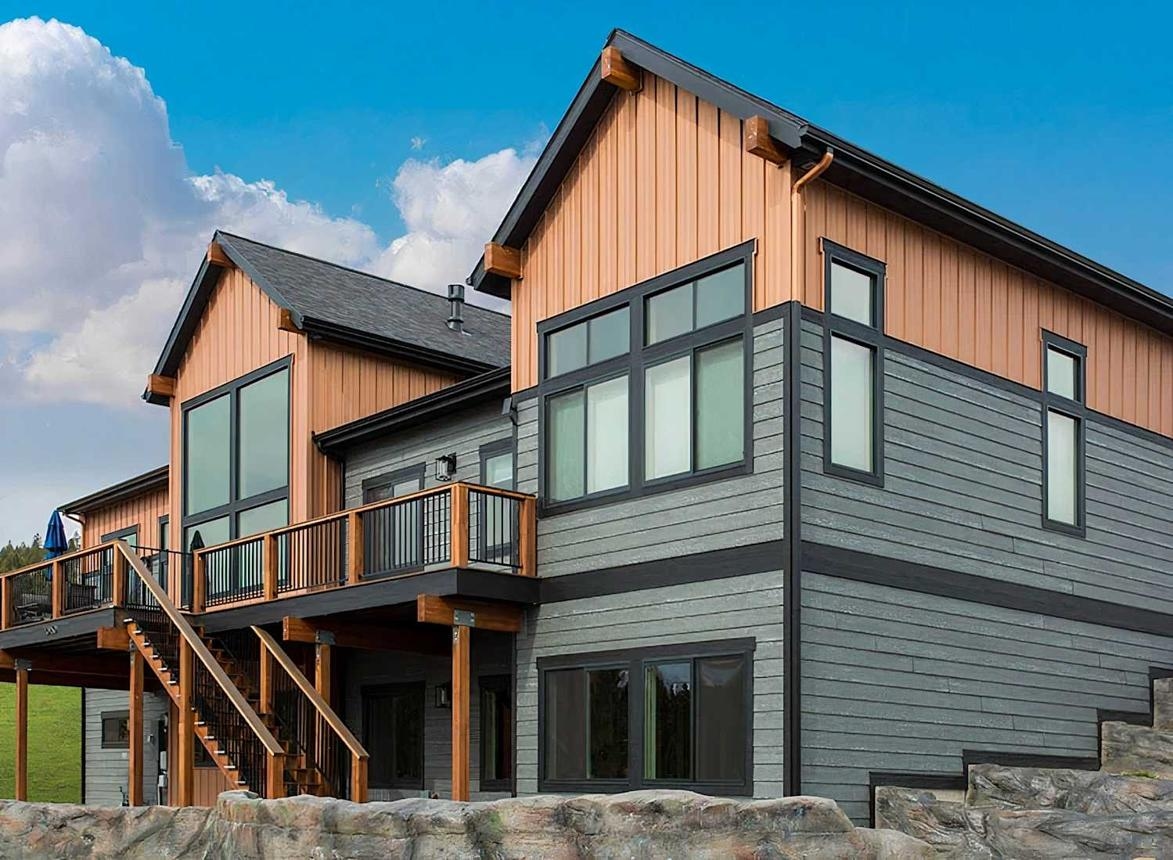
Choosing the right siding material is one of the most important decisions in an exterior renovation. Your budget, preferred appearance, maintenance expectations, climate, and property design can all influence the choice.


10
Vinyl Siding
Vinyl siding is a popular exterior cladding option for residential properties. It is available in a range of colors, profiles, and textures.
Potential benefits:
Variety of colors and styles.
Generally low routine maintenance.
No routine painting required for many products.
Options for different home designs and budgets.
Vinyl siding can still crack, warp, or become damaged, and the quality of installation matters. Ask the contractor about the product specifications, manufacturer instructions, and repair options.
Fiber Cement Siding
Fiber cement siding is made from a cement-based composite material and is available in different profiles and finishes. It is used on many residential exteriors and can provide a painted or wood-inspired appearance.
Potential benefits:
A variety of design options.
Resistance to several common exterior wear factors, depending on the product.
Suitable for different architectural styles.
Availability in prefinished and field-finished options, depending on the manufacturer.
Installation requirements vary by product. Ask whether the crew has experience installing the specific brand and profile you are considering.
Wood Siding
Wood siding offers a natural appearance and can complement traditional, rustic, and contemporary homes. Common options include cedar and other wood species.
Wood siding typically requires more maintenance than some alternative materials, including appropriate finishing, inspections, and attention to moisture exposure. Your contractor should explain expected upkeep and local suitability.
Engineered Wood Siding
Engineered wood siding is manufactured using wood-based materials and protective components. It is available in several styles and can offer a wood-inspired exterior appearance.
Ask about the product's installation requirements, warranty conditions, moisture management, and ongoing maintenance before making a decision.
Other Siding Options
Depending on your location and project, contractors may also work with metal siding, composite materials, stucco systems, or other exterior cladding products. Not every contractor installs every material, so confirm their experience before requesting an estimate.
Siding Installation vs. Siding Replacement
Understanding the difference between installation and replacement can help you communicate your needs to a contractor.
Siding installation usually refers to adding siding to a new building or an exterior that does not currently have the intended siding system.
Siding replacement involves removing some or all of an existing siding system and installing new materials. Replacement may be necessary when siding is significantly damaged, outdated, or no longer meets your home's appearance or performance requirements.
During a replacement project, the contractor may uncover issues behind the siding, such as damaged sheathing or moisture-related deterioration. Ask how these conditions will be documented and handled, and make sure additional work requires your approval before it begins.
Signs You May Need Siding Repair or Replacement
Not every siding problem requires a complete replacement. A professional inspection can help determine the appropriate approach.
Watch for these signs:
Cracked or Broken Siding
Cracked panels, holes, and broken sections may allow moisture to reach areas that should remain protected. The repair method depends on the material, extent of damage, and availability of matching products.
Loose or Missing Panels
Loose siding can indicate damage, improper fastening, or other installation-related issues. Missing sections should be assessed and repaired promptly, particularly where exposed walls may be vulnerable to weather.
Rot, Staining, or Moisture Concerns
Wood deterioration, unusual staining, or signs of moisture around exterior walls deserve further investigation. Siding replacement should not simply conceal an underlying water problem.
Faded or Deteriorated Appearance
Fading, peeling finishes, or widespread wear can affect your home's appearance. Depending on the material and condition, cleaning, refinishing, repairs, or replacement may be options.
Increased Maintenance Requirements
If your siding repeatedly needs repairs or maintenance, ask a qualified contractor to evaluate the overall condition and explain the available solutions.
How to Choose the Right Siding Contractors Near Me
Finding a contractor through a search engine or local directory is only the first step. You should compare companies based on project-specific experience, documented qualifications, and the details of their proposal.
1. Check Licensing and Insurance
Ask whether the contractor meets the licensing, registration, and insurance requirements applicable to your area. Request relevant documentation and confirm that coverage is appropriate for the work being performed.
Requirements differ by location, so verify the rules with the relevant local authorities where necessary.

Angi
+1
2. Review Previous Projects
Request photos or references for similar siding projects. Look for experience with the material, installation type, and architectural features relevant to your home.
For example, a contractor experienced with vinyl siding may not necessarily specialize in fiber cement or historic wood siding.
3. Request Multiple Written Estimates
Obtaining multiple quotes helps you compare the proposed scope of work, materials, labor, and payment arrangements. Make sure you are comparing similar services rather than focusing only on the lowest price.

Angi
+1
A written estimate should clarify:
Materials and product specifications.
Removal of existing siding, if applicable.
Preparation and repair work.
Trim, flashing, and other relevant installation details.
Labor and additional costs.
Project timeline.
Payment schedule and warranty terms.
4. Read Customer Reviews Carefully
Look for reviews that discuss workmanship, communication, scheduling, and how the contractor responded to problems. You can also ask for references from previous customers.
Online reviews provide useful information but should be considered alongside verifiable credentials and project documentation.
5. Ask About Installation Experience
The quality of siding installation depends on using methods appropriate for the selected product. Ask whether the installation crew has experience with the manufacturer's requirements and whether the contractor will explain the preparation, flashing, fastening, and finishing process.

James Hardie
+1
Questions to Ask Before Hiring a Siding Contractor
Before signing a contract, ask the following questions:
How long have you been providing siding installation and repair services?
Do you have experience with my preferred siding material?
Can you provide references or examples of similar projects?
Are you licensed or registered as required in my area?
Can you provide proof of insurance?
What is included in the written estimate?
Who will perform the installation, and will subcontractors be involved?
How will you address hidden damage discovered during the project?
What warranties apply to the materials and workmanship?
What is the estimated project timeline?
Who is responsible for permits, if required?
How will the work area be protected and cleaned after completion?
These questions can help you understand the contractor's process and establish expectations before work begins.

Angi
+1
How Much Does Siding Installation Cost?
The cost of siding installation varies depending on several factors. There is no single price that applies to every home or region.
Factors That Affect Siding Costs
Home size: Larger exterior wall areas generally require more material and labor.
Siding material: Vinyl, fiber cement, wood, and other materials have different material and installation costs.
Existing siding removal: Removing and disposing of old siding may add to the project price.
Wall preparation: Damaged sheathing, moisture-related repairs, or other preparation work can increase expenses.
Design and accessibility: Multiple stories, complex architecture, and difficult-to-access areas may require additional labor.
Trim and finishing: Windows, doors, corners, and other details affect the overall scope.
Location and labor rates: Local market conditions influence the cost of professional services.
For reference, Angi's July 2026 hiring guide reported a siding replacement cost range of approximately $5,500 to $17,600, but this is a source-reported U.S. estimate, not a universal price. Your property's size, material, location, and project requirements may produce a substantially different total.

Angi
The best way to obtain an accurate price is to schedule a property assessment and request a detailed written quote.
What to Expect During a Siding Installation Project
While every project is different, the installation process often includes several stages.
Initial consultation and inspection
The contractor reviews your goals, examines the exterior, discusses material options, and identifies visible concerns.
Estimate and project planning
You receive a written scope of work, pricing information, anticipated schedule, and relevant contract details.
Preparation
Depending on the project, the crew prepares the work area, removes existing siding, and addresses approved repairs or substrate preparation.
Siding installation
The installation team installs the siding and associated components according to the applicable product requirements and project scope.
Inspection and cleanup
The contractor reviews the completed work, addresses agreed-upon corrections, and cleans the work area as specified in the contract.
Ask your contractor to explain the exact process for your home, including what happens if weather, material delays, or unexpected damage affects the schedule.
Common Siding Contractor Mistakes to Avoid
Homeowners can reduce project risks by paying attention to the following warning signs:
Choosing Only Based on the Lowest Quote
A low estimate may exclude important work or use different materials than other proposals. Compare the complete scope, not just the final number.
Accepting a Verbal Agreement
Important terms should be documented in a written contract, including the scope, payment schedule, warranty information, and timeline.
Ignoring Installation Details
Siding is part of an exterior system. Ask how the contractor handles flashing, moisture management, and installation requirements for your chosen product.
Paying the Full Amount Upfront
Understand the payment schedule and avoid agreeing to unclear payment terms. Confirm what deposit and progress payments are required under your contract and local regulations.
Failing to Discuss Additional Work
If hidden damage is discovered, ask for an explanation and written approval of any additional costs before work proceeds.
Frequently Asked Questions About Siding Contractors Near Me
1. How do I find siding contractors near me?
Start by searching for local siding installation and repair companies, checking their relevant experience, credentials, reviews, and service areas. Request multiple written estimates before choosing a contractor.
2. What services do siding contractors provide?
Siding contractors may offer new siding installation, replacement, repairs, exterior trim work, and related preparation services. Available services vary by company and location.
3. How do I know if my siding needs to be replaced?
Cracks, missing panels, widespread deterioration, repeated repairs, and moisture-related concerns may indicate that your siding needs professional assessment. A contractor can help determine whether localized repairs or replacement is appropriate.
4. How long does siding installation take?
The project timeline depends on the size of the property, material, preparation requirements, weather, crew availability, and other factors. Ask your contractor for a written schedule and information about potential delays.
5. Should I get more than one siding estimate?
Getting multiple estimates can help you compare materials, scope, warranties, and costs. Make sure the quotes cover comparable work so that you can assess the differences accurately.
6. What should a siding contract include?
A contract should clearly describe the work, materials, price, payment schedule, timeline, warranty terms, and how changes to the project will be handled.
7. Can a siding contractor repair only one damaged section?
In many cases, localized siding repairs are possible. The feasibility depends on the material, damage, availability of matching products, and condition of the surrounding installation.
8. Is siding installation a DIY project?
Some homeowners may undertake limited siding work, but professional installation can be helpful for projects involving extensive replacement, complex details, elevated work areas, or material-specific installation requirements. Follow the manufacturer's guidance and applicable safety requirements.
Final Thoughts: Find Reliable Siding Contractors Near Me
Finding the right siding contractors near you starts with understanding your home's needs and researching qualified professionals. Whether you need siding installation, replacement, or repairs, take time to compare contractors based on experience, materials, insurance, project scope, and written pricing.
A well-planned siding project can improve the appearance of your property and support the long-term performance of its exterior. Before hiring a contractor, ask questions, review the agreement carefully, and make sure the proposed work meets your expectations.
Ready to discuss your siding project? Contact a local siding contractor to schedule an inspection, explore material options, and request a detailed estimate for your home.