
Caring for an older adult with a wound can be challenging, especially when mobility issues, chronic health conditions, or frequent medical appointments make recovery more difficult. Family caregivers often take responsibility for dressing changes, monitoring symptoms, and helping loved ones remain comfortable while healing. Understanding when professional support is needed can make this responsibility more manageable. With senior wound care at home near Troy MI older adults may receive appropriate wound assessment and treatment in a familiar environment. This guide explains what family caregivers should know about wound care, warning signs, daily support, and ways to help seniors recover safely at home.
Why Seniors Often Need Specialized Wound Care
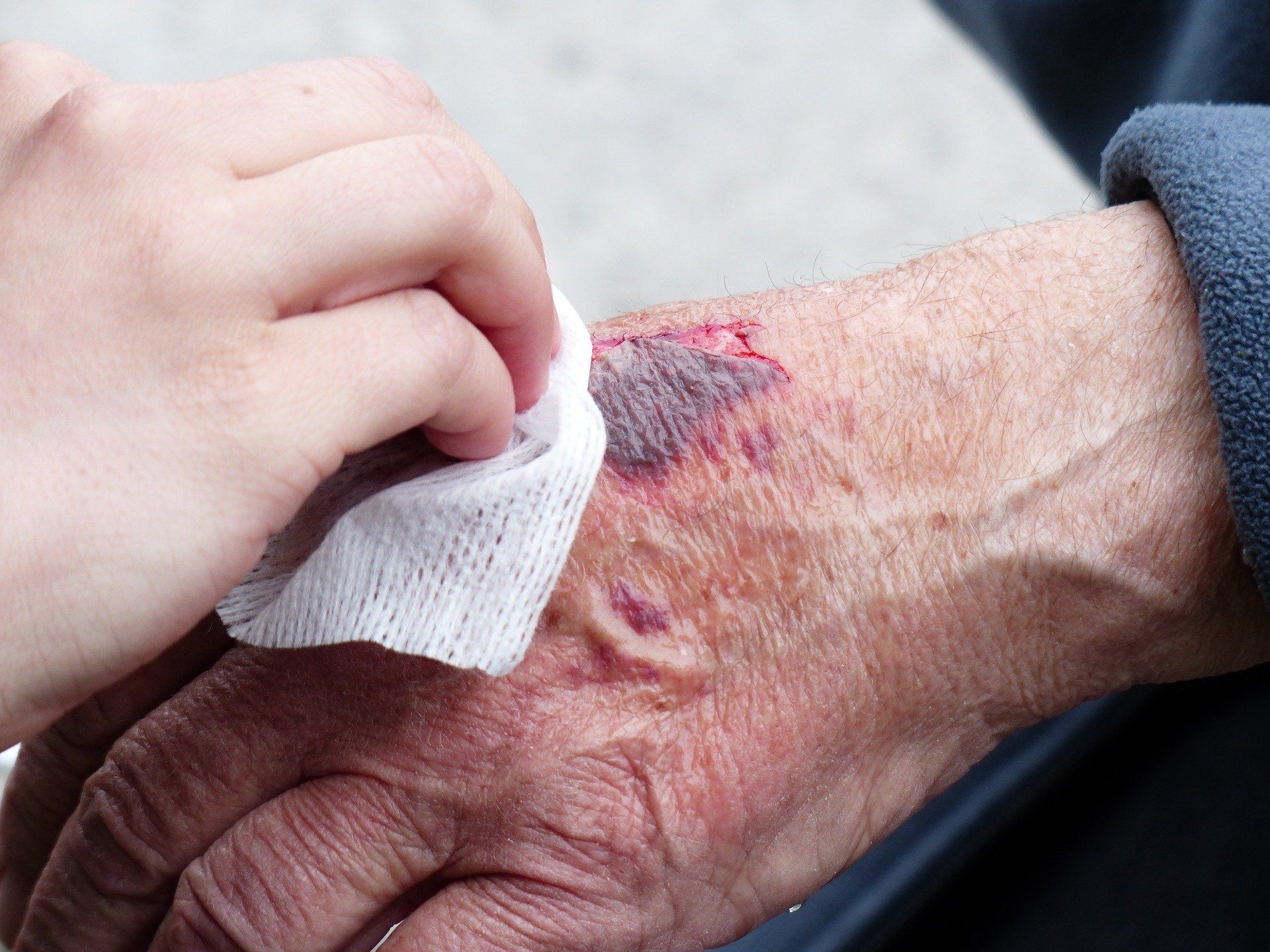
As people age, their skin can become thinner, drier, and more vulnerable to injury. Circulation problems, diabetes, reduced mobility, poor nutrition, and certain medications may also affect the body's ability to repair damaged tissue. Even a small cut or blister can become a concern when healing takes longer than expected. Pressure injuries may develop when an older adult spends extended periods sitting or lying in one position. These factors make regular observation and appropriate treatment important for seniors who have wounds.
Professional wound care focuses on identifying the type of wound, evaluating its condition, and developing a suitable treatment plan. Depending on the individual's needs, care may involve cleaning the wound, applying appropriate dressings, protecting surrounding skin, and monitoring changes over time. Healthcare professionals can also assess whether underlying issues, such as swelling or poor circulation, may be interfering with healing. Family caregivers play an important role by sharing information about the senior's medical history, daily routines, and changes they have noticed. Working together helps ensure that wound care addresses both the visible injury and factors that may affect recovery.
Signs Your Senior Loved One May Need Professional Wound Care
Recognizing wound-related problems early can help families seek treatment before a minor injury becomes more serious. Watch for wounds that remain open, appear larger, develop unusual drainage, or cause increasing discomfort. Redness, warmth, swelling, unpleasant odors, and pus may indicate an infection that needs prompt medical evaluation. Seniors with diabetes, circulation problems, or reduced sensation may not always notice an injury or recognize how serious it has become. If you notice these changes, contact a qualified healthcare professional rather than relying on home remedies or waiting for the wound to improve on its own.
Pressure injuries are another concern for older adults who spend much of the day in bed or in a chair. Common areas to check include the heels, ankles, hips, tailbone, elbows, and shoulder blades. Changes in skin color, unusual warmth, tenderness, swelling, or broken skin can signal developing damage, even before an obvious open sore appears. Families should arrange prompt professional assessment when they notice these changes, especially if the senior has limited mobility. Fever, rapidly spreading redness, severe pain, confusion, or a sudden decline in overall condition requires urgent medical attention; call emergency services for severe or rapidly worsening symptoms.
How Senior Wound Care at Home Works
Home-based wound care allows eligible seniors to receive appropriate treatment without making every visit to a medical facility. Depending on the patient's condition and the provider's services, a visit may include examining the wound, reviewing medical history, assessing surrounding skin, and checking for factors that could delay healing. A qualified clinician can determine which dressing or treatment approach is appropriate and explain how often the wound should be reassessed. The care plan may also address mobility, pressure relief, nutrition, and coordination with the patient's primary care provider. The specific services available depend on clinical needs, provider qualifications, and eligibility requirements.
For families seeking senior wound care at home near Troy, MI, it is helpful to prepare before the first appointment. Gather the senior's medication list, relevant medical records, allergy information, and details about when the wound developed. Tell the clinician about any changes in pain, drainage, skin appearance, appetite, or mobility since the problem began. Caregivers should also explain whether the senior has diabetes, circulation concerns, or difficulty following dressing instructions independently. Sharing accurate information gives the healthcare professional a clearer picture of the situation and helps support an appropriate treatment plan.
Daily Wound Care Tips for Family Caregivers
Family caregivers can support healing by following the instructions provided by the patient's healthcare professional. Wash your hands before and after handling wound dressings, keep supplies clean, and change dressings according to the prescribed schedule. Use only the recommended cleaning solutions, creams, and wound products because certain substances can irritate tissue or interfere with healing. Avoid removing firmly attached dressings, applying unapproved treatments, or attempting to remove dead tissue yourself. If a dressing becomes soaked, displaced, or unusually dirty, follow the care team's instructions for replacing it or requesting assistance.
Preventing additional skin damage is just as important as caring for an existing wound. Help the senior change positions as directed by the care team, and use suitable pillows or pressure-relieving equipment when recommended. Avoid dragging the person's body across bedsheets, as friction and shearing can injure fragile skin. Check vulnerable areas daily, including places that are difficult for the senior to see independently. Encourage balanced meals, adequate protein, and appropriate fluid intake unless a healthcare professional has advised dietary or fluid restrictions. Report new skin changes promptly instead of waiting until the next routine visit.
Making Comfortable Wound Healing at Home in Michigan a Priority
Recovering in familiar surroundings can make wound care less disruptive for seniors who find travel tiring or difficult. Comfortable wound healing in your home Michigan begins with creating a clean, well-organized space where supplies can be stored safely and caregivers can assist without unnecessary strain. Keep essential items within easy reach, provide adequate lighting, and make sure the senior has a comfortable position during dressing changes. Explain each step before providing assistance, respect personal preferences, and protect the person's privacy. Small adjustments to the home environment can make daily care more manageable while helping the older adult maintain dignity and independence.
Comfort also involves paying attention to emotional well-being. Some seniors feel embarrassed about wounds, frustrated by reduced mobility, or worried that healing will take too long. Listen to their concerns and involve them in decisions whenever possible, rather than treating wound care as a task to complete without their participation. Establishing a predictable routine may reduce anxiety and help everyone remember important care instructions. If dressing changes cause significant pain or distress, discuss the problem with the healthcare professional instead of changing the treatment independently. Good communication helps families balance practical caregiving responsibilities with the senior's comfort and personal needs.
Choosing the Right Home Wound Care Provider Near Troy, MI
Selecting a suitable provider starts with understanding the senior's specific medical needs. Ask whether the clinician has experience treating the type of wound involved and whether the service can provide the assessment, dressing support, and follow-up the patient requires. It is also important to understand who will oversee the treatment plan, how changes in the wound will be documented, and whom to contact between appointments. Families should confirm whether the provider coordinates with the senior's primary care clinician or relevant specialists when necessary. Clear answers can help caregivers understand the scope of service and feel more confident managing care at home.
Before arranging appointments, ask about service availability in Troy and nearby communities, scheduling options, costs, and insurance coverage. Not every home care service provides skilled wound treatment, so confirm that the staff's qualifications match the care required. Ask for written instructions that explain dressing changes, pressure management, warning signs, and when to seek further medical attention. Families should also know what to do if the wound worsens outside normal visiting hours. Choosing a provider with clear communication and an organized follow-up process can make the caregiving experience more manageable and support continuity of care.
Helping Your Loved One Recover Safely at Home
Supporting an older adult through wound recovery requires patience, observation, and a reliable plan. Family caregivers do not need to manage every aspect of treatment alone; professional guidance can clarify which tasks are safe to perform and when clinical attention is needed. By keeping records of wound changes, following prescribed instructions, and maintaining communication with the healthcare team, families can help identify problems early. It is equally important to recognize personal limits and ask for assistance when dressing changes, transfers, or other caregiving tasks become difficult. A coordinated approach can make home recovery safer and less stressful for everyone involved.
Senior wound care at home near Troy, MI, can be a practical option for older adults who need wound management and find regular travel challenging. The right care plan considers the wound, the person's overall health, daily routine, and the support available from family members. With professional assessment, consistent monitoring, and thoughtful caregiving, seniors may be better supported throughout the healing process. Remember that worsening wounds and possible infection should never be ignored, and emergency symptoms require immediate attention. For personalized advice, contact a qualified wound care professional who can assess your loved one's condition and recommend appropriate next steps.





