IMARC Group's report, "PVC Pipe Manufacturing Plant Project Report 2026: Industry Trends, Plant Setup, Machinery, Raw Materials, Investment Opportunities, Cost and Revenue", offers a comprehensive guide for establishing a manufacturing plant. The PVC pipe manufacturing business investment report offers insights into the manufacturing process, financials, capital investment, expenses, ROI, and more for informed business decisions.
PVC Pipe Manufacturing Plant Project Report Summary: -
Comprehensive guide for setting up PVC pipe manufacturing plant.
Covers market trends and industry outlook for 2026.
Detailed project setup, including unit operations and processes.
Raw material and utility requirements.
Infrastructure and machinery specifications.
Workforce and staffing requirements.
Packaging and transportation details.
Financial aspects: investment opportunities, cost analysis, and revenue projections.
In addition to covering operational aspects, the report offers detailed insights into the PVC pipe manufacturing plant process and project economics.
Detailed insights into the PVC pipe manufacturing plant
In-depth project economics and financial metrics.
Covers capital investments and project funding.
Analysis of operating expenses and income projections.
Breakdown of fixed and variable costs, direct and indirect expenses.
Evaluation of ROI (Return on Investment) and NPV (Net Present Value).
Profit and Loss account analysis.
Comprehensive financial analysis for decision-making.
Provides a roadmap for successfully establishing a PVC pipe manufacturing plant.
Request for a Sample Report: https://www.imarcgroup.com/pvc-pipes-manufacturing-plant-project-report/requestsample
What are PVC pipes?
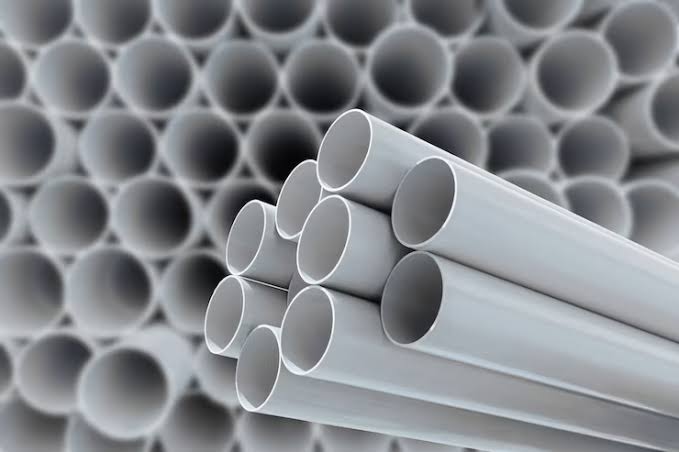
PVC (polyvinyl chloride) pipe is a widely used plastic piping product manufactured from polyvinyl chloride resin and various additives that enhance its strength, durability, and performance. It is valued for its lightweight construction, corrosion resistance, affordability, and ease of installation, making it suitable for residential, commercial, agricultural, and industrial applications. PVC pipes are commonly used in water supply systems, drainage networks, sewage disposal, irrigation, electrical conduit installations, and chemical transportation. Depending on their formulation, dimensions, and pressure ratings, these pipes can accommodate different operating conditions and installation requirements. Their smooth internal surfaces help facilitate fluid flow while minimizing friction and the accumulation of deposits. Additionally, PVC pipes generally require limited maintenance and offer a long service life under appropriate operating conditions. Available in various diameters, thicknesses, and configurations, they provide flexible solutions for modern infrastructure development. Their combination of cost-effectiveness, durability, and practical installation benefits makes PVC pipes an important component of plumbing, sanitation, and water management systems.
Market Trends and Drivers:
The global PVC pipes market is primarily driven by rapid urbanization, population growth, and increasing investments in residential, commercial, and industrial infrastructure. The rising need for reliable water supply, sanitation, drainage, and sewage management systems is encouraging the adoption of PVC pipes across developing and developed economies. Government initiatives aimed at expanding access to clean drinking water, improving wastewater treatment facilities, and modernizing aging infrastructure are further supporting market growth. According to IMARC Group, the global PVC pipes market size reached 26.88 Million Tons in 2025 and is expected to reach 37.61 Million Tons by 2034, exhibiting a CAGR of 3.8% from 2026 to 2034.
Furthermore, the growing adoption of efficient irrigation systems is increasing demand for PVC pipes in agriculture, particularly in regions facing water scarcity and seeking to improve water utilization. Their lightweight structure, corrosion resistance, cost-effectiveness, and relatively simple installation make them an attractive alternative to traditional piping materials. Additionally, expanding construction activities, industrialization, and technological advancements in pipe manufacturing are strengthening market prospects. Increasing awareness of durable plumbing solutions and investments in sustainable water management infrastructure are also contributing to the expanding demand for PVC pipes across diverse end-use sectors.
PVC Pipes Manufacturing Machinery and Equipment Requirements
Setting up a PVC pipes manufacturing plant requires specialized machinery to ensure consistent product quality, efficient production, and optimal utilization of raw materials. The essential equipment includes high-output extruders, vacuum calibration tanks, haul-off units, cutting machines, socketing machines, and packaging systems. Supporting equipment for raw material mixing, cooling, printing, and material handling is also required to facilitate a smooth production workflow. The proposed PVC pipes manufacturing facility can be designed with an annual production capacity of 30,000–60,000 MT, depending on the selected technology, equipment configuration, and production requirements. Machinery selection should consider automation levels, energy efficiency, maintenance requirements, pipe dimensions, and manufacturing standards. Investment in reliable equipment and an optimized plant layout can help manufacturers improve throughput, reduce production waste, and maintain consistent quality across different PVC pipe product categories.
Raw Materials and Operating Cost Breakdown
The primary raw materials required for PVC pipe manufacturing include PVC resin, calcium carbonate, stabilizers, plasticizers, and other processing additives, along with packaging materials for finished products. PVC resin represents the largest component of raw material expenditure, making supplier selection, procurement planning, and inventory management essential for controlling manufacturing costs. According to the IMARC Group project report, raw materials account for approximately 70–80% of total operating expenses (OpEx), while utilities contribute around 10–15%. Other operating expenses include employee salaries and wages, transportation, packaging, equipment maintenance, depreciation, and taxes. Manufacturers can optimize their cost structure by establishing reliable supplier relationships, minimizing material wastage, improving energy efficiency, and maintaining consistent production schedules. Effective quality control and preventive maintenance can further reduce operational disruptions and support efficient resource utilization.
PVC Pipes Manufacturing Profit Margins and Financial Feasibility
The profitability of a PVC pipes manufacturing business depends on production capacity utilization, raw material prices, selling prices, operating efficiency, and overall market demand. The IMARC Group project report indicates that a proposed manufacturing facility with an annual capacity of 30,000–60,000 MT can achieve gross profit margins of approximately 20–30% and net profit margins of around 8–12% under normal operating conditions. A comprehensive financial feasibility assessment should evaluate capital expenditure (CapEx), operating expenditure (OpEx), projected revenue, depreciation, taxation, working capital requirements, and break-even points. Machinery investment, land and site development, civil works, and other initial setup expenses should be incorporated into the project budget. In addition, sensitivity analysis can help investors understand how fluctuations in PVC resin prices, electricity costs, production volumes, and selling prices may affect profitability. Detailed financial projections enable businesses to assess expected returns, investment recovery, and the long-term commercial viability of establishing a PVC pipes manufacturing plant.
Ask Analyst for Customization: https://www.imarcgroup.com/request?type=report&id=7673&flag=C
Customization Options Available:
Plant Location: Selection of optimal location for the plant.
Plant Capacity: Customization based on desired production capacity.
Machinery: Choice between automatic, semi-automatic, or manual machinery.
List of Machinery Providers: Identification of suitable machinery suppliers.
Key Questions Addressed in This Report:
How has the PVC pipe market performed so far and how will it perform in the coming years?
What is the market segmentation of the global PVC pipe market?
What is the regional breakup of the global PVC pipe market?
What are the price trends of various feedstocks in the PVC pipe industry?
What is the structure of the PVC pipe industry and who are the key players?
What are the various unit operations involved in a PVC pipe manufacturing plant?
What is the total size of land required for setting up a PVC pipe manufacturing plant?
What is the layout of a PVC pipe manufacturing plant?
What are the machinery requirements for setting up a PVC pipe manufacturing plant?
What are the raw material requirements for setting up a PVC pipe manufacturing plant?
And more...
How IMARC Can Help?
IMARC Group is a global management consulting firm that helps the world's most ambitious changemakers to create a lasting impact. The company provide a comprehensive suite of market entry and expansion services. IMARC offerings include thorough market assessment, feasibility studies, company incorporation assistance, factory setup support, regulatory approvals and licensing navigation, branding, marketing and sales strategies, competitive landscape and benchmarking analyses, pricing and cost research, and procurement research.
Services:
Plant Setup
Factoring Auditing
Regulatory Approvals, and Licensing
Company Incorporation
Incubation Services
Recruitment Services
Marketing and Sales
Contact Us:
IMARC Group
134 N 4th St. Brooklyn, NY 11249, USA
Email: sales@imarcgroup.com
Tel No:(D) +91 120 433 0800 / 7827100593
United States: +1-201971-6302







