Hair thinning and progressive hair loss can affect more than appearance. For many people, changes in hair density gradually influence confidence, styling choices, and overall self-image. Platelet-rich plasma (PRP) therapy has become a widely discussed non-surgical approach because it uses components derived from the patient’s own blood and delivers them directly to areas of the scalp affected by thinning. However, the quality of the treatment depends heavily on patient selection, medical assessment, preparation techniques, and the experience of the practitioner. When considering PRP For Hair Treatment Dubai, choosing an experienced hair specialist is therefore just as important as understanding the procedure itself.
PRP involves drawing a small blood sample, processing it to concentrate platelets and associated growth factors, and injecting the prepared plasma into selected scalp areas. The objective is to support follicular activity and improve the condition of existing hair. It is generally considered more appropriate for people who still have viable follicles rather than areas where follicles have been permanently lost.
A qualified specialist should first determine the likely cause of hair loss rather than automatically recommending PRP. Genetic hair loss, nutritional deficiencies, hormonal factors, scalp disorders, medication-related shedding, and other conditions may require different approaches. A detailed consultation can help establish whether PRP is appropriate and whether it should be used alone or alongside another medically indicated treatment.
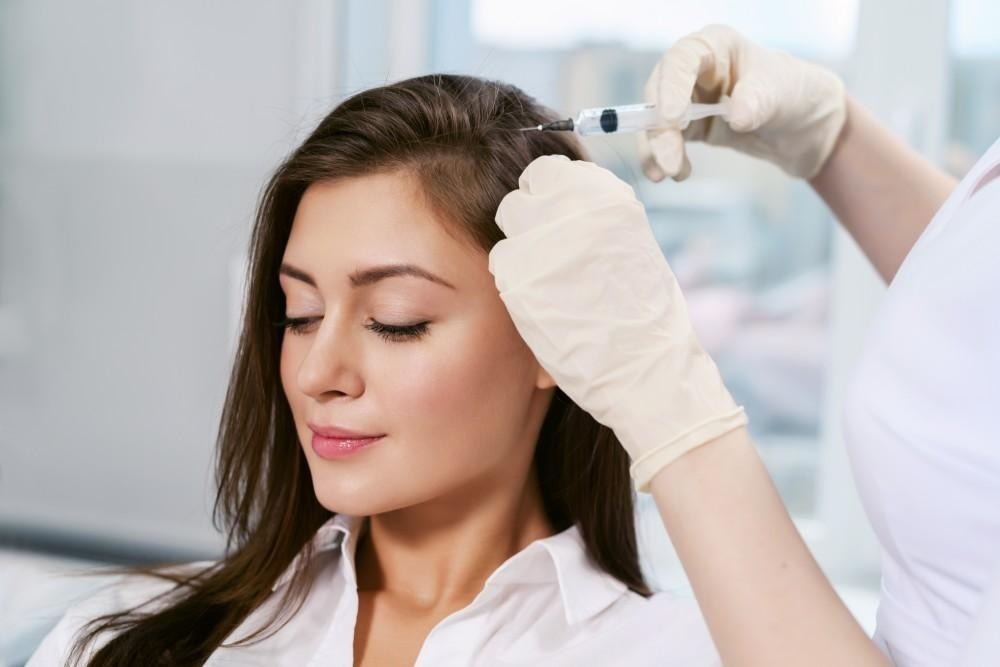
Why Specialist Experience Matters for PRP Hair Treatment
PRP is not simply an injection-based cosmetic procedure. The quality of the outcome can be influenced by how the patient is assessed, how the blood sample is processed, how the scalp is mapped, and how injections are administered.
Experienced hair specialists are better positioned to distinguish between different patterns of hair loss and establish realistic expectations. They can also determine whether the patient may benefit from PRP, requires further investigation, or should consider another hair restoration option.
Patients should look for transparent consultations, appropriate medical credentials, sterile treatment environments, documented protocols, and meaningful follow-up rather than relying only on promotional claims.
Enfield Royal Clinic
Enfield Royal Clinic places a strong emphasis on personalized hair restoration planning, with PRP offered as part of its non-surgical hair treatment services. Its published treatment information describes consultation-led assessment, scalp evaluation, customized treatment planning, and follow-up care. The clinic also states that its PRP approach uses the patient’s own blood components and targets areas affected by thinning.
For patients researching PRP For Hair Treatment Dubai, this consultation-focused approach can be particularly relevant. The clinic presents PRP alongside other hair restoration options, allowing treatment planning to be based on the extent and pattern of hair loss rather than assuming that one procedure is suitable for everyone.
Tajmeels Clinic
Tajmeels Clinic offers PRP hair treatment and describes a protocol involving blood collection, centrifugation, preparation of platelet-rich plasma, and targeted scalp injections. Its published information also notes that treatment planning may vary according to the individual's hair-loss pattern and condition.
The clinic also provides combination approaches involving PRP and other regenerative or hair-restoration techniques. For prospective patients, the important consideration is not simply the availability of additional treatments but whether a specialist can explain why a particular combination is medically appropriate for the individual's condition.
Emirates Hospital
Emirates Hospital lists PRP Hair within its dermatology and aesthetics services. Its treatment description explains that PRP is prepared from the patient's blood and injected into areas of scalp thinning, with the aim of supporting hair follicle activity and hair density.
A hospital-based setting may appeal to patients who prefer their hair treatment to be considered within a broader medical environment. During consultation, patients can ask about practitioner qualifications, treatment protocols, contraindications, expected recovery, and the appropriate follow-up schedule.
Cocoona Clinic
Cocoona Clinic operates aesthetic and day-surgical facilities in Dubai, including locations on Al Wasl Road and in Mirdif.
For anyone considering a hair-regenerative procedure at an established aesthetic facility, the consultation should establish whether PRP is currently offered for the specific hair concern and which qualified practitioner performs it. Patients should also discuss their diagnosis, treatment goals, preparation requirements, and the expected number of sessions before proceeding.
Dubai Cosmetic Surgery Clinic
Dubai Cosmetic Surgery Clinic has a dedicated PRP hair-loss service describing PRP as a treatment in which prepared plasma from the patient's blood is injected into targeted scalp areas. Its published guidance discusses patient assessment, local anesthesia where appropriate, post-treatment care, and the possibility that multiple sessions may be recommended.
The clinic also describes hair-restoration services including PRP and other regenerative approaches. For patients comparing providers, this broader treatment experience can be useful when determining whether PRP alone is suitable or whether another approach deserves consideration.
Al Zahra Hospital Dubai
Al Zahra Hospital Dubai is another healthcare institution patients may consider when exploring specialist-led hair and aesthetic care. When evaluating PRP services, prospective patients should verify the current availability of hair PRP, the responsible medical specialist, and the clinical protocol used at the time of consultation.
The same principles remain important regardless of facility type: the provider should investigate the cause of hair loss, explain realistic outcomes, identify potential contraindications, and establish appropriate follow-up rather than promising guaranteed regrowth.
Dynamic Life Clinic
Dynamic Life Clinic may also be considered by patients comparing aesthetic and regenerative treatment providers in Dubai. Before choosing a PRP program, patients should confirm the current hair-treatment service, practitioner qualifications, and whether the treatment is performed under appropriate medical supervision.
A thorough consultation should cover the pattern of hair loss, scalp condition, previous treatments, relevant medications, and whether PRP is expected to provide meaningful benefit in the individual case.
King’s College Hospital London Dubai
Aesthetics by King’s College Hospital Dubai lists PRP among its hair-treatment services and explains that platelet-rich plasma is prepared from a patient's blood before being injected into targeted scalp areas. The service is positioned as part of a broader hair-restoration offering that also includes other technologies and treatments.
The provider's published information also emphasizes personalized solutions and identifies dermatology expertise within its aesthetics team. This can be relevant for patients who want hair loss evaluated alongside other dermatological or aesthetic concerns.
How to Choose the Right Clinic for PRP For Hair Treatment Dubai
Experience and Qualifications
Start by checking the qualifications and clinical experience of the practitioner who will actually assess and treat you. Experience with hair-loss diagnosis is particularly valuable because PRP is not appropriate for every type or stage of hair loss.
Technology and Techniques
Ask how the PRP is prepared and what equipment is used. The clinic should be able to explain its preparation protocol, injection technique, and rationale in clear medical terms. Avoid choosing a provider solely because it advertises the newest-sounding technology.
Safety Standards
Blood handling, sterile technique, infection control, and appropriate patient screening are essential. Ask about contraindications and disclose relevant medications and medical conditions during consultation.
Consultation Process
A proper consultation should involve more than a quick visual examination. The specialist should assess the pattern of hair loss, discuss medical history and previous treatments, and explain whether additional investigation is needed.
Patient Experience
Good patient care includes clear communication before treatment, realistic explanations, informed consent, comfortable treatment conditions, and accessible follow-up. Reviews can provide context, but they should not replace professional evaluation.
Expected Results
PRP should be approached with realistic expectations. It may help improve hair thickness or reduce shedding in appropriate patients, but results vary and are influenced by the cause and severity of hair loss. Multiple sessions may be recommended, and improvements generally develop gradually rather than immediately.
Frequently Asked Questions
Is PRP suitable for every type of hair loss?
No. PRP may be more appropriate when viable hair follicles remain, particularly in some cases of thinning. A specialist should first identify the underlying cause before recommending treatment.
How does PRP for hair work?
A small blood sample is collected and processed to concentrate platelet-rich plasma. The prepared plasma is then injected into selected areas of the scalp, with the goal of supporting follicular activity and hair growth.
Does PRP permanently restore a receding hairline?
PRP should not be presented as a guaranteed method of permanently rebuilding a significantly receded hairline. Its potential benefit depends on follicle viability, the cause of hair loss, and individual response. A specialist can explain whether PRP or another restoration method is more appropriate.
How many PRP sessions might be needed?
The number varies according to the patient's condition and treatment response. Some clinics describe an initial series of several sessions followed by maintenance treatment, but there is no universal schedule suitable for everyone.
Is there downtime after hair PRP?
PRP is generally considered minimally invasive, and temporary redness, tenderness, or swelling can occur after scalp injections. The exact aftercare and activity restrictions should be provided by the treating clinician.
Conclusion
Choosing an experienced specialist is one of the most important decisions when exploring PRP for hair thinning in Dubai. The procedure itself may be relatively straightforward, but appropriate diagnosis, patient selection, preparation, injection technique, safety practices, and follow-up all influence the overall treatment experience. Rather than selecting a provider based only on promotional language, compare qualifications, consultation quality, clinical protocols, and realistic expectations. A carefully planned approach to PRP For Hair Treatment can help suitable patients make an informed decision about whether this regenerative hair treatment fits their individual needs.