Every child learns differently. Some children understand concepts by reading, while others learn better by exploring, creating, and trying things themselves. Modern education is becoming more focused on these individual learning needs, helping students develop curiosity, creativity, and confidence from an early age. A supportive learning environment allows children to ask questions, discover new ideas, and enjoy the learning process.
Project-Based Learning Educations is an approach that encourages children to learn through practical activities, real-life problems, and creative projects. Instead of simply memorizing information, students explore topics, share ideas, and find solutions through hands-on experiences. At Nature Nurture, the focus is on creating meaningful educational experiences that help children develop essential skills while making learning enjoyable and engaging.
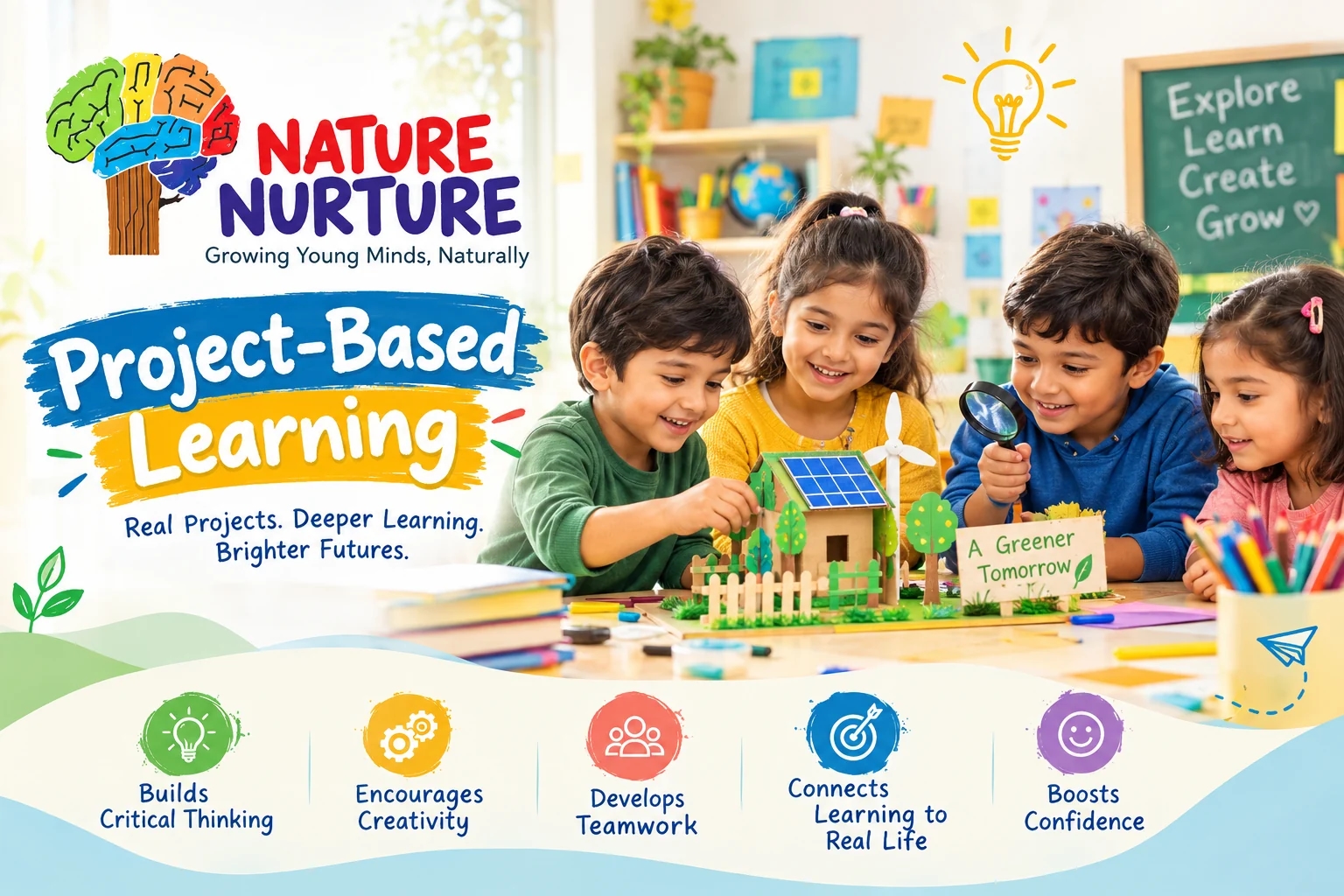
How Project-Based Learning Helps Children
Children often understand concepts more clearly when they can connect them with everyday experiences. Activities such as building models, growing plants, creating artwork, and working on simple experiments help students turn theoretical knowledge into practical understanding. These experiences also encourage independent thinking and give children opportunities to express their ideas confidently.
Another important benefit is teamwork. When children work together on projects, they learn to listen, communicate, respect different opinions, and solve problems as a group. These skills support their overall development and prepare them for future academic and personal challenges.
Making Learning More Interactive
Young learners benefit from classrooms where they can participate actively rather than remain passive listeners. Teachers can introduce storytelling, puzzles, educational games, group discussions, and hands-on activities to make lessons more interesting. Such methods help maintain children's attention and encourage them to become active participants in their education.
Technology can also support this process when used thoughtfully. Interactive presentations, educational videos, and digital activities can help teachers explain difficult concepts in simple ways. The key is to balance technology with real-world experiences so that children continue to explore, communicate, and learn through direct interaction.
The Role of Smart Classrooms in Modern Education
A Smart Class environment can make lessons more engaging by combining traditional teaching methods with digital learning resources. Visual explanations, animations, and interactive exercises help children understand subjects in ways that may be difficult to achieve through textbooks alone. Teachers can use these resources to introduce new topics, explain concepts, and encourage classroom participation.
However, technology works best when it supports a clear educational purpose. Children still need opportunities to ask questions, complete practical activities, interact with classmates, and receive guidance from teachers. A balanced approach helps create an environment where digital tools complement meaningful learning instead of replacing personal interaction.
Developing Essential Skills Through Practical Activities
Project-based activities can support the development of several important skills, including creativity, communication, critical thinking, and problem-solving. For example, a simple classroom project about the environment can encourage children to learn about plants, understand the importance of cleanliness, and explore ways to reduce waste.
Teachers can guide students through each stage of a project, from selecting a topic to sharing their final work. This process helps children become more responsible for their learning while allowing teachers to understand their interests, strengths, and areas where additional support may be needed.
Creating an Engaging Learning Environment
An effective Smart Classroom brings together suitable technology, thoughtful teaching strategies, and opportunities for active participation. Digital boards, multimedia resources, and interactive educational content can help make lessons more visual and accessible. When these tools are combined with discussion, experimentation, and collaborative projects, children can experience a more varied and engaging approach to education.
At Nature Nurture, the broader goal of child-centred education is to make learning meaningful, enjoyable, and relevant to children's everyday lives. By encouraging exploration and active participation, educators can help children build confidence and develop a positive attitude towards learning.
Why Teachers and Parents Matter
Teachers and parents play an important role in helping children benefit from practical learning experiences. Teachers can provide clear instructions, encourage curiosity, and offer constructive feedback. Parents can support learning at home through simple activities such as cooking together, reading stories, gardening, or discussing everyday observations.
Children do not need complicated projects to learn something valuable. Even small activities can encourage questions, independent thinking, and creativity when adults provide the right guidance and encouragement.
Conclusion
Education becomes more meaningful when children have opportunities to explore, create, ask questions, and learn from experience. Practical projects, supportive teachers, and thoughtfully used technology can help make learning more engaging while encouraging essential life skills. By combining active participation with suitable educational resources, Nature Nurture supports the vision of a learning environment where children can grow in confidence, develop their abilities, and build a
Frequently Asked Questions
1. What is project-based learning?
Project-based learning is an educational approach in which children explore a topic or solve a problem through practical projects, research, collaboration, and creative activities.
2. What are the benefits of project-based learning?
It can encourage critical thinking, creativity, communication, teamwork, and problem-solving while helping children connect classroom lessons with real-life experiences.
3. How does technology support modern education?
Digital learning tools can make lessons more visual and interactive. When used appropriately, they help teachers explain concepts and provide additional learning opportunities.
4. Can project-based learning be used with young children?
Yes. Simple activities such as drawing, storytelling, gardening, building models, and exploring nature can introduce young children to project-based learning in an age-appropriate way.
5. How does Nature Nurture support meaningful education?
Nature Nurture focuses on educational approaches that encourage children's curiosity, participation, creativity, and overall development through engaging learning experiences.