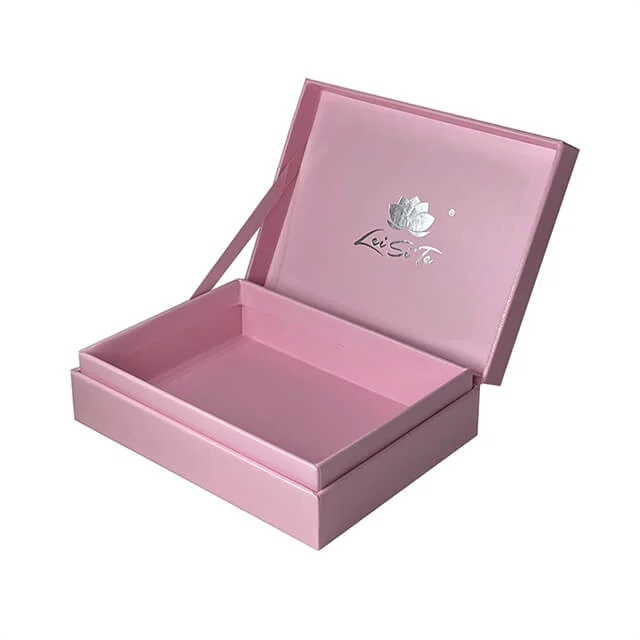
The Complete Guide to Premium Two-Piece Rigid Packaging in 2026
Shoulder Rigid Boxes are two-piece boxes in which a lid slides over a raised inner neck, creating a smooth, luxurious reveal. They work well for cosmetics, candles, electronics, and gifts. They cost more than folding cartons but give brands a far stronger unboxing moment.
What Makes This Box Style Different
Most people recognize the moment: you lift a lid, and instead of dropping away, it glides off slowly, revealing a product nestled inside. That feel comes from a structure known as a shoulder-neck design. A slim inner tray, or "neck," rises slightly above the base, and the lid covers it snugly.
Shoulder Rigid Boxes are made from thick paperboard, usually 1.5 to 3 mm, wrapped in printed or textured paper. Because the board is rigid rather than folded, the box holds its shape for years. Customers often keep it for storage, which means your brand stays in their home long after the purchase.
Why Brands Choose This Format
The main appeal is perceived value. A product in a sturdy, well-finished box feels more expensive before the customer has even touched it. For skincare, jewelry, tech accessories, and corporate gifts, that first impression can justify a higher price point.
There are practical benefits too:
Protection: The rigid walls resist crushing during shipping and shelf handling.
Reusability: The box becomes a keepsake, extending brand exposure.
Customization: Inserts, ribbons, magnets, and foil accents all fit naturally.
Shelf presence: The clean, tall profile stands out among lighter packaging.
Shoulder Rigid Boxes also photograph well, which matters in a world where unboxing videos drive discovery.
The Unboxing Data Point
Presentation matters to shoppers, and one widely cited survey from Dotcom Distribution found that about 40 percent of consumers are more likely to share photos of a product on social media when it arrives in premium packaging. Free organic exposure of that kind is hard to buy through advertising, so it is a strong reason to invest in structure and finish rather than treating the box as an afterthought. As with any survey, check the original source for the sample and methodology before using the figure in your own materials.
Materials and Finishes to Consider
Your choice of wrap paper sets the tone. Matte lamination feels modern and understated. Soft-touch coating adds a velvety texture that people tend to run their fingers over. Linen, leatherette, and textured art papers suit heritage or artisan brands.
Then there are the decorative options:
Foil Stamping and Embossing
Hot foil in gold, silver, or copper adds shine to logos and borders. Embossing raises the design, while debossing presses it in. Combined, they create depth without needing extra colors.
Inserts and Linings
A foam, EVA, or paperboard insert holds the product in place and makes the interior look intentional. Satin or tissue lining adds another layer of care. Choose inserts based on the product's weight and fragility rather than looks alone.
Closures
Magnetic flaps, ribbon pulls, and thumb notches each change how the box opens. For a shoulder-neck design, a simple lift-off lid is often enough, because the tight fit already delivers a satisfying slow reveal.
When Simplicity Wins
Not every brand needs metallic effects and layered textures. Single Color Rigid Boxes rely on one solid shade, often black, white, navy, or a brand-specific hue, to create a confident, minimalist look. With fewer print passes, they are usually quicker to produce and easier to keep consistent from batch to batch.
Single Color Rigid Boxes also suit brands that want the packaging to feel calm and let the product take center stage. A deep matte black box with a small debossed logo can look more expensive than a busy multicolor design. If your budget is tight, this is one of the smartest places to start.
Understanding Cost and Minimum Orders
Pricing depends on size, board thickness, wrap material, finishes, inserts, and quantity. Setup costs for tooling and printing are spread across the run, so unit prices drop noticeably as volume rises. Many manufacturers set minimums between 300 and 1,000 units, though some offer lower thresholds for stock sizes.
To keep costs sensible:
Choose a standard size close to your product dimensions.
Limit special finishes to one or two focal points.
Order a sample before committing to full production.
Plan lead times early, since custom production often takes several weeks plus shipping.
Shoulder Rigid Boxes tend to sit in the mid-to-upper price range because of their two-piece construction, so it helps to compare quotes on identical specifications rather than headline prices.
How to Choose the Right Setup
Start with the product and the customer experience you want. Measure the item precisely, including any accessories, and leave a few millimeters of tolerance. Decide whether the box will ship on its own or inside a mailer, since that determines how much outer protection you need.
Next, match the finish to your brand personality. A wellness brand may prefer soft-touch neutrals, while a fragrance house might want foil and rich color. Finally, confirm sustainability options. Many suppliers now offer FSC-certified board, recycled wraps, and water-based coatings, and these claims increasingly matter to buyers.
For anyone building a premium presentation with Shoulder Rigid Boxes, requesting a physical prototype is the single best step. Screens cannot show how a lid glides or how a coating feels in the hand.
Frequently Asked Questions
Are these boxes suitable for shipping?
They protect products well, but most brands ship them inside a corrugated mailer to prevent scuffs on the wrap. The rigid structure keeps the contents safe, while the outer carton protects the finish.
How long does production usually take?
Expect roughly three to six weeks for custom orders, depending on complexity, plus transit time. Sampling adds extra days, so build it into your launch schedule.
Is a one-color design cheaper?
Often, yes. Single Color Rigid Boxes need fewer printing steps and less color matching, which can lower setup costs and reduce variation between runs.
Final Thoughts
Packaging is often the first physical touchpoint between a brand and its customer, and structure shapes that impression as much as graphics do. The lift-off lid over a raised neck delivers a memorable reveal, protects the contents, and gives customers a reason to keep the box. Whether you choose rich foil and embossing or a restrained single-shade look, focus on fit, feel, and consistency. Order a sample, test it with real products, and refine before scaling up.