Dogs communicate in different ways, and barking is one of their most natural forms of expression. Whether they are excited to see their owners, alerting the family to unfamiliar sounds, feeling anxious, or trying to get attention, barking is an important part of canine behaviour. However, when barking becomes excessive, it can create difficulties for dog owners, neighbours, and even the dogs themselves.
Managing frequent barking does not mean stopping a dog from communicating completely. Instead, the goal should be to understand why the dog is barking and encourage more appropriate behaviour. This is where products such as the NooBark may attract the attention of pet owners looking for additional support with barking management.
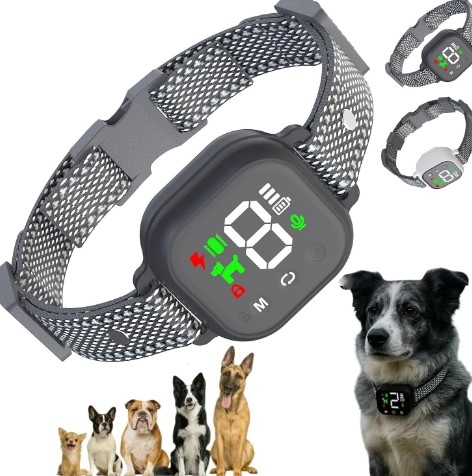
👉 CLICK HERE TO CHECK OUT NOOBARK NOW! 🐾
The NooBark Anti-Bark Collar is designed to help dog owners manage unwanted barking through a wearable training device. It is intended to support a more controlled environment while helping owners work towards better communication and consistent training habits.
In this article, we will explore the NooBark Anti-Bark Collar, its potential benefits, how it works, important considerations, and how to use barking-management tools responsibly.
What Is the NooBark Anti-Bark Collar?
The NooBark Dog Collar Reviews is a dog training accessory designed to help manage excessive or repetitive barking. It is intended for pet owners who experience difficulties controlling unwanted vocal behaviour at home, during outdoor activities, or in situations where barking becomes disruptive.
Unlike traditional training methods that depend entirely on verbal commands, an anti-bark collar is designed to provide a response when certain barking-related conditions are detected. Depending on the particular model and its available features, this response may involve sound, vibration, or other training signals.
The main idea behind this type of product is to encourage dogs to become more aware of their barking behaviour. However, a collar should never replace proper training, attention, exercise, or understanding of a dog's emotional needs.
Every dog has a different personality. Some bark because they are naturally alert, while others may bark due to boredom, separation anxiety, fear, or excitement. Therefore, responsible use requires understanding the reason behind the behaviour.
Why Do Dogs Bark Excessively?
Before considering an anti-bark training accessory, it is important to understand what causes frequent barking. Barking is not necessarily a sign of disobedience. It is often a response to something happening in the dog's surroundings.
Here are some common reasons dogs bark excessively.
1. Attention-Seeking Behaviour
Some dogs learn that barking attracts attention. Even when owners respond by telling them to stop, the dog may interpret that interaction as a reward.
Consistent training can help dogs understand when attention is appropriate and when quiet behaviour is expected.
2. Separation Anxiety
Dogs are social animals and may become uncomfortable when left alone for extended periods. Some dogs respond to separation by barking, whining, or displaying other signs of distress.
In these situations, simply trying to suppress barking is not an appropriate solution. The underlying anxiety needs to be addressed through gradual training and, when necessary, professional guidance.
3. Environmental Triggers
Sounds from outside, passing vehicles, unfamiliar visitors, other animals, and unexpected movements can trigger barking.
Dogs with strong protective instincts may bark whenever they notice something unusual around their homes.
4. Boredom and Lack of Exercise
A dog that does not receive sufficient physical activity or mental stimulation may develop unwanted habits, including repetitive barking.
Daily walks, interactive toys, playtime, and simple training exercises can help keep dogs mentally and physically engaged.
5. Excitement and Playfulness
Not all barking is negative. Dogs may bark when playing, meeting familiar people, or experiencing exciting situations.
Owners should distinguish between normal communication and genuinely disruptive barking before deciding how to manage it.
How Does the NooBark Anti-Bark Collar Work?
The general purpose of an anti-bark collar is to recognise barking-related activity and provide a response intended to interrupt unwanted behaviour.
Depending on the specific product configuration, an anti-bark collar may use different detection and feedback methods.
Bark Detection: The device is designed to identify barking through its detection system. The accuracy of detection is important because dogs should not receive unnecessary training signals for unrelated sounds or movements.
Training Feedback: Some anti-bark devices use sound or vibration as a response to detected barking. These signals are intended to interrupt the behaviour and redirect the dog's attention.
Behaviour Awareness: With consistent, appropriate training, owners can help dogs understand that calm behaviour is desirable in everyday situations.
It is important to remember that product-specific detection technology, sensitivity settings, and feedback modes should be confirmed from the actual NooBark model instructions. Not every feature available in other anti-bark collars should automatically be assumed to be included in NooBark.
Key Benefits of the NooBark Anti-Bark Collar
An anti-bark collar may offer several practical advantages when used as part of a responsible training routine.
1. Helps Manage Repetitive Barking
Frequent barking can make everyday life challenging, particularly in residential areas where neighbours live close together.
A suitable barking-management device may provide additional support for owners who are working to reduce unnecessary vocal behaviour.
2. Supports Consistent Training
Consistency is one of the most important parts of dog training. Dogs generally learn better when expectations remain clear and owners respond consistently.
A training accessory may complement established training routines by providing a predictable interruption signal, provided the dog is comfortable with it.
3. Convenient Training Accessory
A wearable training device can be convenient for owners who want to work on barking behaviour during everyday activities.
However, convenience should never mean leaving a dog unattended with a device that causes discomfort or distress.
4. Encourages Better Household Management
Continuous barking can interrupt sleep, conversations, work, and relaxation.
Working towards calmer behaviour may help create a more comfortable home environment for both pets and their families.
5. Complements Positive Reinforcement
The most effective approach to long-term behaviour improvement involves rewarding desirable actions.
For example, owners can reward their dogs when they remain calm after hearing a doorbell or noticing someone outside.
An anti-bark accessory should only be considered a supplementary training aid, not the primary method of teaching good behaviour.
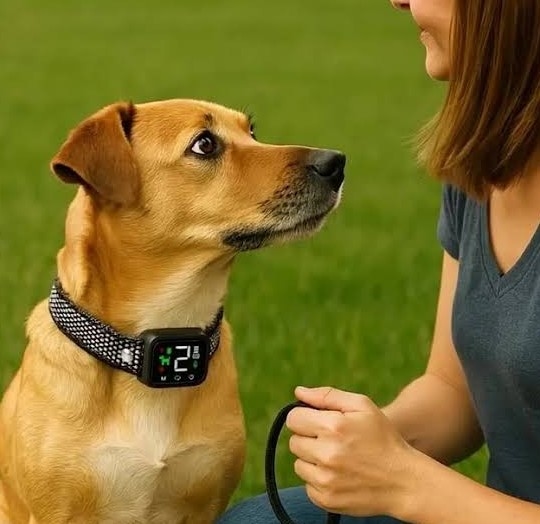
👉 CLICK HERE TO DISCOVER NOOBARK NOW!
NooBark Anti-Bark Collar and Traditional Dog Training
Dog owners often compare wearable training accessories with traditional training approaches.
Both approaches have different roles, and understanding those differences can help owners make better decisions.
Traditional dog training generally focuses on communication, positive reinforcement, repetition, and rewarding desirable behaviour.
For example, if a dog barks when someone rings the doorbell, the owner can teach the dog to move to a designated place and reward calm behaviour.
An anti-bark collar, on the other hand, is designed to provide a response associated with barking detection.
However, an automatic response does not necessarily teach a dog what behaviour is expected instead.
This is why training should focus on rewarding calmness rather than simply discouraging barking. A dog that understands what to do instead of barking is more likely to develop useful long-term habits.
Important Features to Consider Before Choosing an Anti-Bark Collar
When evaluating the NooBark Anti-Bark Collar, buyers should consider several important characteristics.
Bark Detection Accuracy
A good barking-management device should distinguish barking from normal environmental sounds as reliably as possible.
False detection can create confusion and unnecessary stress for dogs.
Comfortable Design
The collar should fit comfortably without creating excessive pressure around the dog's neck.
A poorly fitted collar can cause irritation, discomfort, and unnecessary physical stress.
Adjustable Settings
Different dogs have different temperaments and sensitivities.
Adjustable settings can be useful, but owners should follow the manufacturer's instructions and avoid feedback that frightens or distresses the animal.
Battery Performance
Battery life is another practical consideration. Owners should understand the charging requirements and check the device regularly.
Material Quality
A dog collar should be made from materials suitable for regular contact with a dog's skin and coat.
The design should also allow appropriate adjustment without becoming too tight.
Water Resistance
Dogs often encounter rain, water, and outdoor conditions. Buyers should verify the actual water-resistance rating instead of assuming the collar is waterproof.
How to Use an Anti-Bark Collar Responsibly
Using an anti-bark collar requires patience, attention, and a good understanding of dog behaviour.
The following practices can help owners maintain a safer training environment.
Step 1: Understand the Barking Trigger
Observe when your dog barks. Is it happening when visitors arrive, when other dogs pass by, or when the dog is left alone?
Identifying the trigger is the first step towards choosing an appropriate training strategy.
Step 2: Check the Collar Fit
Before using any wearable training accessory, check its fit according to the manufacturer's instructions.
It should not restrict breathing, movement, or normal neck activity.
Step 3: Introduce the Device Gradually
Allow your dog to become familiar with the collar without immediately using its corrective functions.
Watch for signs of fear, discomfort, scratching, or attempts to remove it.
Step 4: Reward Calm Behaviour
Positive reinforcement is essential. When your dog responds calmly to a trigger, offer praise, attention, or an appropriate treat.
This teaches the dog what behaviour is desirable.
Step 5: Monitor Your Dog's Response
Observe your pet throughout the training process.
If the dog becomes frightened, anxious, withdrawn, or uncomfortable, discontinue use and reassess the training approach.
Step 6: Maintain a Consistent Routine
Training should be regular and predictable. Short, positive sessions are generally more useful than long sessions that overwhelm the dog.
Is the NooBark Anti-Bark Collar Suitable for Every Dog?
No single barking-management product is appropriate for every dog.
A dog's age, temperament, health, size, previous experiences, and behavioural history all influence whether a particular training method is suitable.
Puppies may bark because they are still learning how to interact with their environment. Older dogs may bark due to changes in hearing, vision, comfort, or cognitive function.
Dogs experiencing separation anxiety, fear-based aggression, or other behavioural difficulties may need a different approach.
Owners should also be especially cautious with dogs that have sensitive temperaments or a history of negative reactions to training equipment.
If barking starts suddenly or increases significantly, a veterinary examination may be appropriate to rule out pain, illness, or other underlying problems.
NooBark Anti-Bark Collar for Indoor and Outdoor Situations
Barking can happen in different environments, and the reasons behind it may change depending on the situation.
Indoor Barking Management
Indoor barking commonly occurs when dogs hear sounds outside, notice movement through windows, or become excited by visitors.
Owners can reduce some triggers by managing window access, providing interactive toys, and establishing a consistent daily routine.
Teaching a dog to settle in a specific area can also help encourage calmer indoor behaviour.
Outdoor Barking Management
Outdoor barking may be triggered by other animals, unfamiliar people, vehicles, or exciting activities.
During walks, owners should maintain control through appropriate leash training and reward calm responses to environmental triggers.
A wearable device should never replace supervision or responsible handling.
Tips to Reduce Excessive Barking Naturally
Even if an owner considers the NooBark Anti-Bark Collar, natural behaviour-management techniques should remain an important part of the routine.
Here are some useful approaches.
Provide Daily Exercise: Regular walks and age-appropriate physical activities help dogs release energy.
Use Interactive Toys: Puzzle feeders and enrichment toys provide mental stimulation.
Avoid Unnecessary Triggers: If outdoor movement causes repeated barking, consider limiting visual access to busy areas.
Teach Basic Commands: Commands such as sit, stay, and come can improve communication.
Reward Quiet Behaviour: Give positive attention when your dog remains relaxed in situations that previously triggered barking.
Maintain a Daily Schedule: Regular feeding, exercise, playtime, and rest can help reduce stress.
Avoid Shouting: Raising your voice may increase excitement or anxiety instead of reducing barking.
Spend Quality Time Together: Social interaction and companionship are important for a dog's emotional well-being.
These methods address the dog's overall needs rather than focusing exclusively on stopping a particular behaviour.
Common Mistakes Dog Owners Should Avoid
Many barking-management problems become worse when owners respond inconsistently or overlook the reason behind the behaviour.
Some common mistakes include:
Using a Collar Without Understanding the Cause: Barking may be related to fear, discomfort, or anxiety. Suppressing the behaviour without addressing its cause can make the underlying problem worse.
Choosing the Wrong Collar Size: An uncomfortable fit can irritate the dog's skin and affect normal movement.
Expecting Immediate Results: Behaviour change takes time. Owners should not expect a dog to develop new habits overnight.
Ignoring Positive Reinforcement: Dogs need to understand which behaviours are desirable, not simply which behaviours should stop.
Leaving the Dog Unsupervised: Training accessories should be used according to manufacturer instructions and appropriate supervision practices.
Ignoring Signs of Stress: Excessive panting, trembling, hiding, repeated scratching, and attempts to escape the collar can indicate discomfort.
Responsible dog ownership always places the animal's health and well-being above convenience.
NooBark Anti-Bark Collar: What Should Buyers Know Before Purchasing?
Before purchasing the NooBark Anti-Bark Collar, potential buyers should evaluate whether the product matches their dog's individual requirements.
It is worth checking the following details:
Exact product dimensions and recommended dog sizes.
Available barking-detection technology.
Whether the device uses sound, vibration, or another feedback method.
Battery type and charging requirements.
Material quality and collar adjustability.
Water-resistance specifications.
Manufacturer instructions and safety warnings.
Warranty, return policy, and customer support availability.
Buyers should also confirm whether the product is suitable for their dog's age and temperament.
Avoid relying on exaggerated promises about completely eliminating barking. No responsible training accessory can guarantee identical results for every dog.
Frequently Asked Questions About NooBark Anti-Bark Collar
1. What is the NooBark Anti-Bark Collar used for?
The NooBark Anti-Bark Collar is intended to help dog owners manage repetitive or unwanted barking. It may be considered as a supplementary training accessory alongside consistent behaviour management.
2. Can the NooBark Anti-Bark Collar stop barking completely?
No training product should be expected to eliminate all barking. Barking is a natural form of canine communication. The goal should be to manage unnecessary barking while allowing dogs to communicate normally.
3. Is an anti-bark collar suitable for puppies?
Young puppies are still learning how to respond to their environment. An anti-bark collar should not be used without checking the manufacturer's minimum age and suitability requirements. Positive reinforcement and age-appropriate training are preferable starting points.
4. Does the NooBark Anti-Bark Collar require training?
Yes. A wearable accessory should not replace proper training. Owners should identify barking triggers, teach alternative behaviours, and reward calm responses.
5. Can dogs wear anti-bark collars every day?
Usage should follow the manufacturer's instructions. Owners should regularly inspect the dog's neck for irritation and avoid leaving training collars on continuously or using them during unsupervised periods.
6. Is an anti-bark collar appropriate for anxious dogs?
Dogs that bark because of anxiety or fear may need a different approach. A barking-suppression device can worsen distress in some situations. Behavioural assessment and professional guidance are preferable.
7. What should I do if my dog continues barking?
First, identify the trigger. Consider exercise, environmental changes, enrichment, positive reinforcement, and professional training support. Persistent barking may require veterinary or behavioural assessment.
Final Thoughts: Is the NooBark Anti-Bark Collar Worth Considering?
The NooBark Anti-Bark Collar may be an option for dog owners exploring additional ways to manage repetitive barking. However, selecting a barking-management accessory should involve more than simply looking for a quick solution.
Understanding your dog's personality, identifying barking triggers, choosing comfortable equipment, and maintaining a consistent training routine are all important parts of responsible pet care.
A peaceful home does not require a completely silent dog. It requires a healthy balance between natural canine communication and appropriate behaviour.
When used appropriately as a supplementary tool, alongside positive reinforcement and attention to animal welfare, barking-management products may form part of a broader training strategy.
Ultimately, the best results come from patience, consistency, and understanding. Your dog should feel safe, comfortable, and supported throughout the learning process.