Introduction
Digestive wellness has become an important topic for people who want to maintain a balanced lifestyle. Along with eating a varied diet and staying physically active, many consumers are exploring probiotics and prebiotics as part of their everyday wellness routines. Native Path Synbiotic is one product that draws attention because it combines ingredients associated with the gut microbiome, including selected probiotic strains and prebiotic fibers.
► Product Name — Native Path Synbiotic
► Category — Guts Health
► Results — In 1–2 Months
► Availability — Online
► Rating — 5.0/5.0 ⭐⭐⭐⭐⭐
🔥 Special Deal – Up to 50% OFF for a Limited Time
A synbiotic is generally designed to combine probiotics with ingredients that can serve as nourishment for certain beneficial microorganisms. These components have different roles in the digestive environment, and their potential effects depend on the specific strains, ingredient quantities, formulation quality, and individual circumstances.
This Native Path Synbiotic review provides an overview of the product, its commonly reported ingredients, how synbiotic formulas work, and the factors worth considering before purchasing. It also examines potential advantages and limitations to help readers develop realistic expectations. Although research into probiotics and prebiotics continues to grow, it is important to distinguish general ingredient research from evidence demonstrating the effectiveness of a particular finished product.
What Is Native Path Synbiotic?
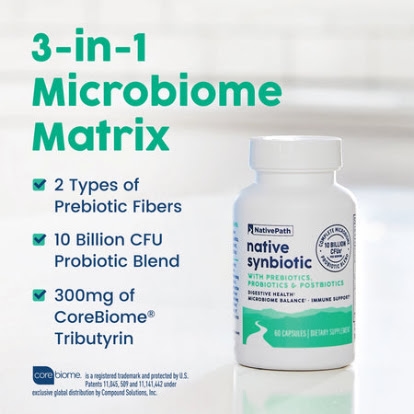
Native Path Synbiotic is a product associated with the growing category of probiotic and prebiotic formulations. It is also referred to as Native Synbiotics. The formula has been described as combining selected probiotic microorganisms with ingredients such as chicory root inulin, acacia gum, baobab fruit pulp powder, blueberry extract, and CoreBiome tributyrin.
Probiotics are live microorganisms that may offer benefits when consumed in suitable amounts. Their effects are often specific to the strain, meaning that two products containing different strains from the same bacterial species may not produce identical results. Prebiotics are substances that particular microorganisms can use as a food source, helping explain their role in synbiotic formulations.
People researching Native Path Synbiotic may be interested in digestive balance, regularity, and the relationship between dietary fibers and intestinal microorganisms. However, these interests should not be confused with a guarantee that the product will improve a particular symptom or produce a specific outcome.
The product's current label is the best place to verify its complete formulation, serving instructions, storage requirements, and warnings. Checking these details before use can help consumers understand what they are purchasing and whether it fits their individual needs.
Why Choose Native Path Synbiotic?
One reason consumers may consider Native Path Synbiotic is its combined approach. Instead of focusing exclusively on probiotics or prebiotics, a synbiotic formula brings together different ingredient categories that may have complementary roles in the intestinal environment.
The combination of probiotic strains is another point of interest. Different strains have been investigated for different characteristics, but the number of strains alone does not establish product quality or effectiveness. Their identities, quantities, stability, and supporting research are all relevant when evaluating a formula.
Prebiotic fibers may also appeal to people who want to pay closer attention to their fiber intake. Fiber plays an important role in a balanced diet, and certain fibers can be fermented by intestinal microorganisms. However, tolerance differs from person to person. Some individuals may experience bloating or gas after consuming fermentable fibers, particularly when introducing them too quickly.
Convenience can also influence a purchasing decision. Some consumers prefer a prepared formulation instead of buying separate products. Nevertheless, convenience should be considered alongside cost, ingredient transparency, manufacturing standards, and the quality of available evidence.
Choosing Native Path Synbiotic should therefore involve more than reading promotional claims. Consumers should evaluate the actual label, understand the intended use, and consider whether the product aligns with their routine and expectations.
Key Ingredients
The ingredients associated with Native Path Synbiotic belong to several categories commonly discussed in digestive wellness research. Their presence may explain the product's formulation approach, but it does not independently prove the effectiveness of the finished product.
CoreBiome Tributyrin: Tributyrin is a compound that can provide a source of butyrate, a short-chain fatty acid associated with intestinal cell function and the gut environment. Research into butyrate and related compounds is ongoing. Evidence about an ingredient does not necessarily establish the effects of every product containing it.
Chicory Root Inulin: Inulin is a type of fermentable dietary fiber found in plants, including chicory root. Certain intestinal microorganisms can use it as a food source. Inulin is widely studied for its prebiotic properties, although some people experience gas or abdominal discomfort when consuming it.
Acacia Gum: Acacia gum is a soluble fiber obtained from acacia trees. It is used in food products and has been investigated for its effects on fiber intake and intestinal microbial activity. Its effects depend on the quantity consumed and the individual's digestive tolerance.
Baobab Fruit Pulp Powder: Baobab fruit naturally contains dietary fiber and plant compounds. The powder may contribute to the overall composition of a formula, but its specific contribution depends on the amount included and the processing method.
Blueberry Extract: Blueberries contain naturally occurring polyphenols and other plant compounds. Extracts can vary considerably in composition, so consumers should consult the product label rather than assuming every blueberry extract provides the same compounds in the same quantities.
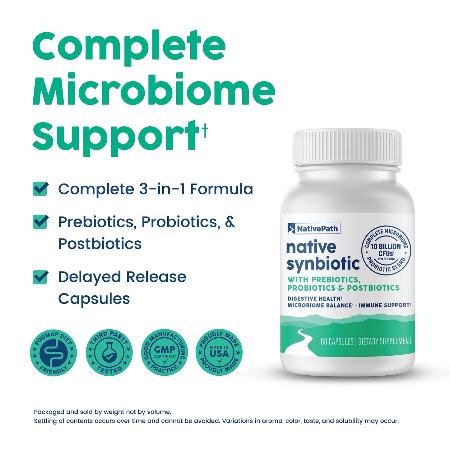
Probiotic Strains: The formula has been associated with Lactobacillus acidophilus, Bifidobacterium lactis, Bifidobacterium longum, and Bifidobacterium breve. These bacterial groups have been studied in various contexts, but the effects of probiotics depend on the specific strain and formulation.
Because ingredient lists can change, buyers should verify the current packaging for the exact ingredients and amounts.
🔥 Special Deal – Up to 50% OFF for a Limited Time
How Does Native Path Synbiotic Work?
The concept behind Native Path Synbiotic involves combining probiotic microorganisms with prebiotic ingredients. Probiotics are intended to provide specified live microorganisms, while prebiotic fibers can serve as a food source for certain microbes already present in the digestive tract.
When some dietary fibers reach the large intestine, intestinal microorganisms ferment them. This process can produce short-chain fatty acids and other compounds. The outcome depends on the type of fiber consumed, the existing microbial community, and other individual factors.
Probiotics can interact with the intestinal environment in different ways, but their effects are not universal. Strain selection, product stability, storage conditions, and the quantity of live microorganisms can all influence the characteristics of a probiotic formulation.
It is also important to recognize that digestive wellness involves more than taking a single product. A varied diet containing appropriate sources of fiber, sufficient fluids, regular physical activity, and consistent daily habits can contribute to overall well-being. A synbiotic product should not be viewed as a substitute for these foundations.
Consumers should follow the manufacturer's current serving instructions and avoid assuming that a higher quantity will produce faster or better results.
Results and Real Stories
When researching Native Path Synbiotic, many consumers want to know what kind of results they might expect and how long those results could take. There is no single timeline that applies to everyone, and individual experiences cannot establish that the product will work in the same way for others.
Responses to probiotic and prebiotic ingredients may depend on dietary habits, digestive tolerance, existing intestinal microorganisms, and other factors. Some individuals may report changes in their digestive routine, while others may notice little difference. Certain people may initially experience gas or bloating after increasing their intake of fermentable fibers.
Customer reviews and personal stories can offer insight into how individuals describe their experiences. However, testimonials are not equivalent to controlled clinical research. Personal accounts may be influenced by expectations, changes in diet, other products being used, or differences in individual circumstances.
Without reliable clinical evidence on the finished formula, it would be inappropriate to promise specific outcomes or claim that Native Path Synbiotic consistently delivers particular benefits.
Anyone who chooses to try the product may find it useful to track their routine, dietary changes, and any changes they notice. Persistent or concerning digestive symptoms should be discussed with a qualified healthcare professional rather than managed through product experimentation alone.
Pros and Cons
A potential advantage of Native Path Synbiotic is its combination of probiotic and prebiotic ingredients. This approach may interest consumers who want to learn more about the relationship between live microorganisms and dietary fibers. The inclusion of several ingredient categories also provides a starting point for comparing formulations.
Another possible advantage is convenience for individuals who prefer a single product rather than several separate ingredients. Clear serving directions and a transparent label can make a product easier to evaluate and incorporate into a routine.
However, there are limitations. Not everyone needs a synbiotic product, and individual responses vary. Some prebiotic fibers may cause digestive discomfort, while probiotic products may not be appropriate for everyone. Consumers should also recognize that evidence supporting an ingredient does not automatically demonstrate that a particular commercial formulation produces the same effects.
Cost, availability, ingredient quantities, product quality, and label clarity are additional considerations. A formula containing several ingredients is not necessarily better than a simpler option. Comparing the evidence and formulation details can help consumers make a more informed decision.
Where to Buy Native Path Synbiotic
Consumers interested in purchasing Native Path Synbiotic should verify the product through the manufacturer's official sales information or another seller they can independently assess. Before ordering, confirm the product name, packaging, complete ingredient list, serving directions, and any relevant warnings.
Pricing and availability may change, so buyers should review the current purchase terms rather than relying on outdated promotional information. It is also worth checking shipping costs, the return policy, and whether the order is a one-time purchase or part of an automatic subscription.
Be cautious of claims that promise guaranteed results or suggest that one product will work equally well for everyone. Reliable product information should clearly explain the formulation and provide realistic guidance about its intended use.
Taking time to review these details can help consumers compare Native Path Synbiotic with other probiotic and prebiotic options before making a decision.
Conclusion
Native Path Synbiotic is a product built around the concept of combining probiotics, prebiotic fibers, and other ingredients associated with the gut microbiome. Its reported formulation includes several probiotic strains, chicory root inulin, acacia gum, baobab fruit pulp powder, blueberry extract, and CoreBiome tributyrin.
These ingredients have different roles, and research into probiotics, dietary fibers, and butyrate-related compounds helps explain the interest in synbiotic products. Nevertheless, research on individual ingredients should not be treated as proof that the finished product will deliver specific results. Individual responses can differ, and benefits should never be guaranteed.
Before purchasing Native Path Synbiotic, review the current label, ingredient amounts, serving instructions, product quality information, and overall cost. People with ongoing digestive concerns, underlying medical conditions, or questions about possible interactions with medicines should consult a qualified healthcare professional before beginning a new product.
Overall, Native Path Synbiotic may be an option to research for those interested in probiotic and prebiotic formulations. The most informed approach is to assess the available evidence, maintain realistic expectations, and view any product as a possible part of a broader approach to digestive wellness rather than a replacement for balanced daily habits.
🔥 Special Deal – Up to 50% OFF for a Limited Time
OFFICIAL WEBSITE@:-
https://taptonow.com/nativepathsynbiotic-get
https://www.facebook.com/TryNativePathSynbiotic/
https://www.facebook.com/TryNativeCreatine/
https://www.facebook.com/NativePathNativeCreatine.Get/
https://www.facebook.com/groups/nativepathsynbioticusa/
https://www.facebook.com/groups/nativepathcreatineusers/
https://www.facebook.com/groups/nativepathcreatines/
https://www.facebook.com/groups/trynativepathcollagen/
https://www.facebook.com/groups/trynativepathcollagenpeptides/