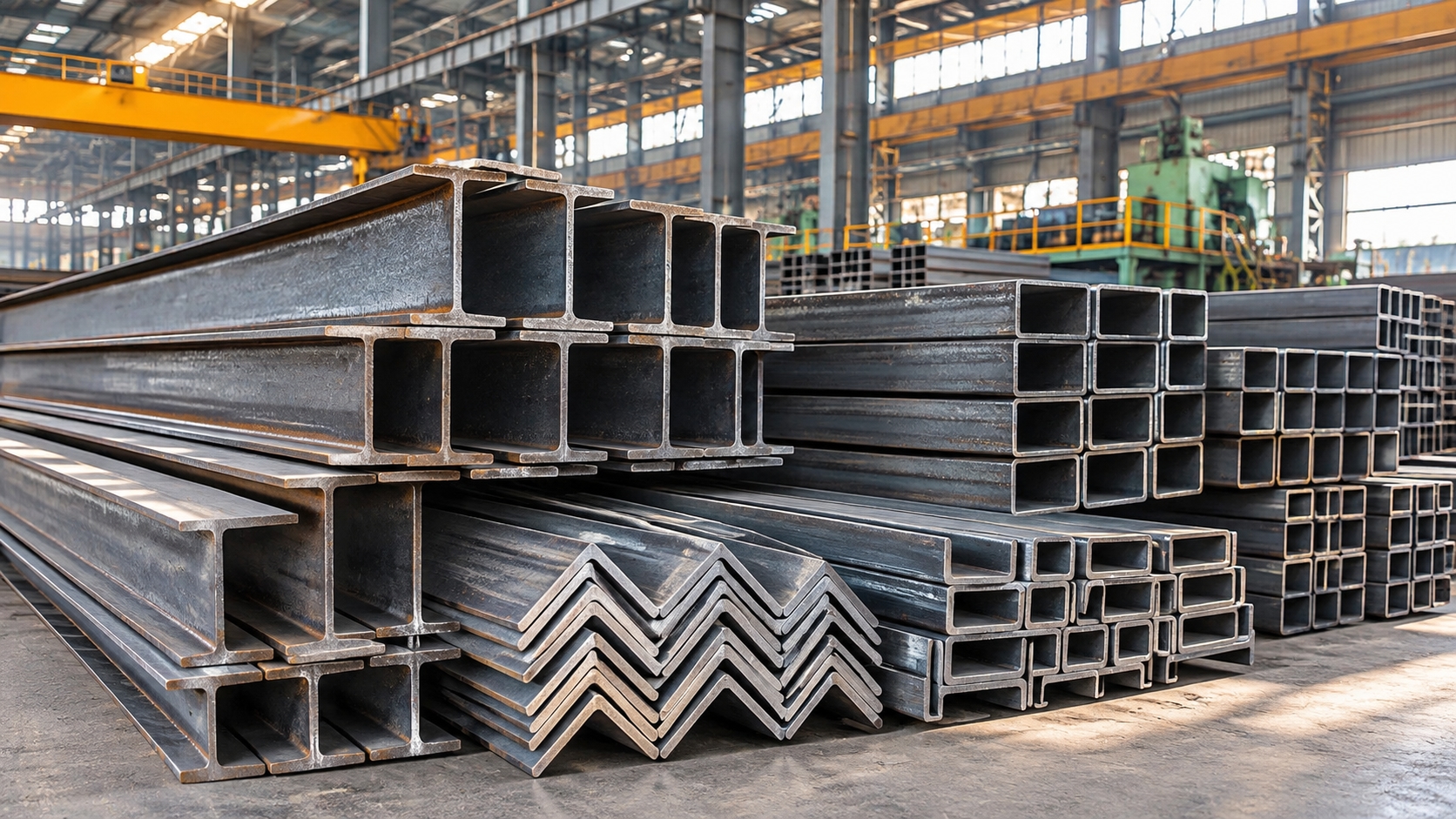
The strength and durability of any construction project depend heavily on the quality of materials used. Among the various materials available, MS Structural Steel plays an important role in modern construction, infrastructure development and industrial engineering. Its strength, versatility and adaptability make it a preferred choice for projects that require dependable structural support.
From commercial buildings and industrial warehouses to bridges and manufacturing facilities, mild steel structural sections are widely used to create strong and stable frameworks. Understanding their properties, applications and selection criteria can help businesses make informed purchasing decisions.
What Is MS Structural Steel?
MS (Mild Steel) Structural Steel refers to structural components manufactured from low-carbon steel and designed for construction and engineering applications. These products are available in different shapes and dimensions to meet specific structural requirements.
Common structural steel sections include:
MS Beams: Used for supporting heavy loads in buildings and industrial structures.
MS Channels: Suitable for structural frameworks, supports and fabrication.
MS Angles: Used in bracing, reinforcement and general fabrication.
MS Columns: Provide vertical structural support in buildings and industrial facilities.
MS Flats: Used in fabrication, supports and various engineering applications.
These sections are available in different sizes, thicknesses and specifications depending on the intended application.
Why Is MS Structural Steel Important in Modern Construction?
Structural steel has become an essential material in modern construction because it offers a combination of mechanical strength, flexibility and fabrication convenience.
Here are some important advantages:
1. Strength and Load-Bearing Capacity
Mild steel structural sections provide dependable mechanical strength for a wide range of construction applications. Properly selected and engineered sections help support structural loads and maintain stability.
2. Easy Fabrication and Installation
MS structural sections can be cut, drilled, welded and fabricated according to project requirements. This flexibility makes them suitable for customised engineering and construction work.
3. Versatile Applications
Different shapes and sizes allow structural steel to be used in residential buildings, commercial complexes, industrial sheds, bridges and manufacturing facilities.
4. Cost-Effective Material Choice
Mild steel is often considered a practical option because of its availability, workability and suitability for different construction requirements. Its overall cost-effectiveness depends on material specifications, fabrication and project design.
5. Recyclability
Steel is a recyclable material that can be recovered and reused through appropriate recycling processes. This makes it a valuable material in construction projects focused on responsible resource utilisation.
Different Types of MS Structural Steel Sections
Choosing the correct structural section is important for achieving the required performance and stability.
MS Beams: Commonly used in building frameworks, industrial sheds and infrastructure projects where horizontal load-bearing support is required.
MS Channels: Their C-shaped profile makes them useful for supporting structures, equipment frames and fabrication work.
MS Angles: Available in equal and unequal configurations, these sections are widely used in bracing, frames and structural connections.
MS Columns: Designed for vertical load-bearing applications, columns form an important part of structural frameworks.
ISMB, ISHB, ISLB and ISWB Sections: These standard structural beam profiles are used in different engineering and construction applications based on their dimensions and load-bearing requirements.
Selecting the appropriate section requires consideration of dimensions, steel grade, loading conditions and applicable engineering standards.
Major Applications of MS Structural Steel
The versatility of structural steel makes it suitable for several industries.
Building Construction: Used in commercial buildings, industrial sheds and structural frameworks.
Infrastructure Development: Supports bridges, transport facilities and other infrastructure projects.
Industrial Manufacturing: Used in factory structures, equipment supports and production facilities.
Warehousing: Helps create strong frameworks for large storage facilities and distribution centres.
Its adaptability makes it a valuable material for projects requiring reliable structural components.
How to Choose Reliable MS Structural Steel Suppliers
Selecting the right supplier is just as important as selecting the correct material. Consistent quality, accurate specifications and dependable supply can directly influence project timelines and procurement efficiency.
Businesses evaluating MS Structural Steel Suppliers should consider the following factors:
Product Availability: Check whether the supplier offers beams, channels, angles and other required structural sections.
Material Quality: Verify the steel grade, dimensions and relevant technical specifications.
Quality Documentation: Request Mill Test Certificates (MTCs) and material traceability details wherever applicable.
Why Steel Exchange for MS Structural Steel Procurement?
Steel Exchange, operated by TSB Global LLP, focuses on supplying steel products to construction, engineering and industrial customers.
Its structural steel offering includes different sections such as beams, channels, angles and other structural profiles. The company also highlights value-added services such as cutting, drilling, notching and edge preparation.
With multiple sourcing options, material documentation and domestic as well as export supply capabilities, Steel Exchange aims to support varied steel procurement requirements.
Businesses searching for dependable MS Structural Steel Suppliers can explore its product range and request information based on their project specifications.
Frequently Asked Questions (FAQs)
1. What is MS Structural Steel used for?
MS Structural Steel is used in building frameworks, industrial sheds, bridges, warehouses, manufacturing facilities and various engineering applications.
2. What are the common types of MS Structural Steel sections?
Common sections include MS beams, channels, equal and unequal angles, flats and standard profiles such as ISMB, ISHB, ISLB and ISWB.
3. Is MS Structural Steel suitable for industrial construction?
Yes. It is widely used in industrial construction because of its mechanical strength, fabrication flexibility and availability in different structural profiles.
4. How can I identify quality MS Structural Steel?
Check the material grade, dimensions, applicable standards, surface condition and relevant quality documentation, including Mill Test Certificates where available.
5. What should I consider when selecting MS Structural Steel Suppliers?
Consider product availability, material quality, technical documentation, customisation facilities, supply capacity and industry experience.
6. Can MS Structural Steel be customised?
Yes. Depending on the supplier's capabilities, structural sections can be cut, drilled, notched and processed according to project requirements.
Conclusion
MS Structural Steel remains an important material for modern construction, infrastructure and industrial engineering. Its strength, versatility, fabrication flexibility and recyclability make it suitable for a wide range of structural applications.
However, choosing the right steel sections and a dependable supplier is essential for achieving the desired project performance. By evaluating material specifications, quality documentation and supply capabilities, businesses can make more informed procurement decisions and build reliable long-term sourcing relationships.