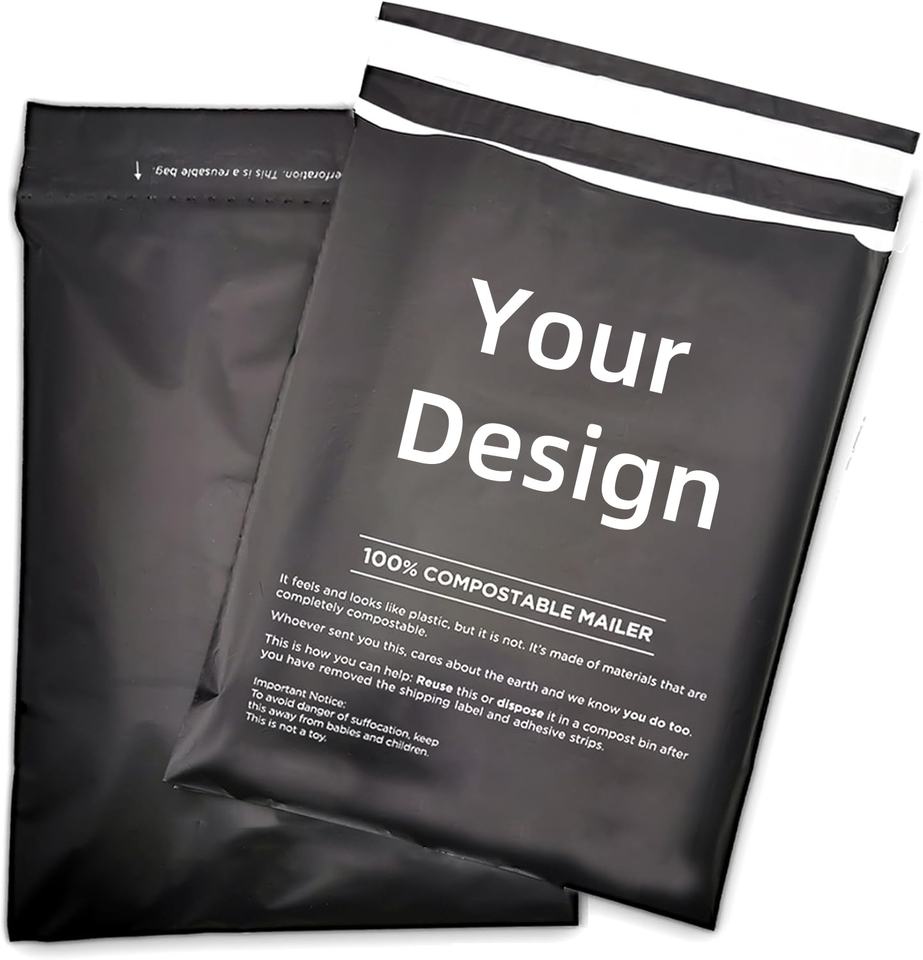
E-commerce businesses rely on flexible shipping bags to protect products and deliver a memorable brand experience. For online retailers selling apparel, beauty products, and soft goods, custom shipping bags serve as mobile billboards that build brand recognition. However, turning a digital design file into thousands of crisp, beautifully printed shipping bags involves a precise commercial production workflow. Understanding the step-by-step Mailers Printing process helps e-commerce brands avoid costly design mistakes and achieve flawless packaging results.
From pre-press artwork optimization to high-speed press operations and final bag conversions, every manufacturing stage requires technical coordination. Matching vector graphics with flexible materials like poly film or kraft paper ensures your shipping bags look sharp and hold up during postal transit. This comprehensive guide walks you through the entire manufacturing journey behind high-quality custom shipping bags.
Stage 1: Pre-Press Preparation and Artwork Setup
The journey to high-quality flexible packaging begins on the designer's screen long before physical machinery starts running. Pre-press is the crucial phase where digital artwork files are reviewed and formatted for commercial printing presses.
Vector File Conversion: Digital artwork must be created using vector paths rather than raster pixels. Vector assets ensure logos, icons, and text scale cleanly without blurriness. All typography fonts must be converted into permanent vector outlines to avoid missing font errors during press setup.
Color Space Management: Computer screens display graphics using RGB light models, whereas commercial printing presses use CMYK ink combinations or Pantone spot color formulas. Converting artwork into CMYK or assigning specific Pantone Matching System (PMS) spot codes guarantees exact color reproduction.
Setting Bleed and Safe Margins: Background artwork must extend beyond the cut line by at least 3mm to prevent accidental white edges during trimming. Essential elements, such as logos and legal text, must remain within a safe zone at least 2mm clear of side heat seals, bottom gussets, and closure flap fold lines.
In my opinion, investing extra time into pre-press file checks is the single best way to avoid costly production delays and unexpected printing defects.
Stage 2: Substrate Selection and Material Preparation
Before executing Mailers Printing jobs, raw materials must be selected and treated to accept liquid inks properly.
Polyethylene (Poly) Film Extrusion
For plastic shipping bags, low-density polyethylene (LDPE) resins are melted and blown into continuous tubes or flat sheets of plastic film. Manufacturers adjust resin formulas to achieve specific film thicknesses, typically ranging from 2.0 mil to 3.5 mil, balancing flexibility with tear resistance.
Surface Corona Treatment
Non-porous plastic films naturally repel liquid inks. To solve this, poly films undergo surface corona treatment. An electrical discharge alters the surface structure of the plastic film, raising its dyne level (surface tension). This process allows liquid inks to spread evenly and bond permanently without flaking off during transit.
Eco-Friendly Paper Substrates
When producing paper shipping bags, high-strength kraft paper rolls are selected. Because paper fibers naturally absorb liquid inks, water-based ink formulations are calibrated carefully to maintain color vibrancy without causing paper warping.
Stage 3: Commercial Press Operations and Printing
Once raw materials and artwork files pass verification, mass manufacturing begins on specialized commercial printing presses.
Flexographic Printing Machinery
Flexography is the dominant press method used for Mailers Printing in bulk volume. Flexible photopolymer plates mount onto rotating metal cylinders inside the press. As rolls of poly film or paper pass through at high speeds, anilox rollers transfer precise amounts of liquid ink onto the plates, which stamp the artwork onto the moving substrate. Flexographic presses offer high production speeds, low unit costs, and exceptionally crisp color reproduction.
Digital Inkjet Press Technology
For short-run orders or limited-edition seasonal packaging, digital printing presses transfer artwork directly from digital files onto the bag material. Digital systems eliminate physical plate setup, offering quick turnaround times and the ability to print variable graphics on smaller orders.
Applying White Underprint Layers
When printing vibrant artwork onto gray, dark, or recycled plastic films, presses apply a solid white ink base layer beneath the colored graphics. This opaque white underprint acts as a primer, ensuring overlying colors remain bright, true, and fully opaque.
In my opinion, flexographic printing combined with co-extruded white poly film offers the ideal balance of material durability and vibrant print quality for growing e-commerce brands.
Stage 4: Post-Press Finishing and Bag Conversion
After the printing stage finishes, continuous rolls of printed film transition into automated bag-making machines for final assembly.
Folding and Gusset Forming: Machinery folds the printed film rolls into continuous bag profiles. Bottom or side gussets are introduced at this stage to give bags expanding volume for bulkier garments.
Applying Adhesive Closure Strips: High-speed applicators lay down hot-melt, tamper-evident adhesive strips along the bag flaps. These strips are covered with protective peel-off liners that reveal strong adhesive when removed. For customer returns, dual adhesive strips separated by tear perforations can be added.
Heat-Welded Side Sealing and Cutting: Heated sealing bars clamp down on the folded edges of the film, melting the layers together to form strong, leak-proof side seams. Heated rotary blades simultaneously cut individual mailers from the roll.
Final Inspection and Bulk Packaging: Finished bags pass through automated inspection stations to check seal strength, adhesive placement, and print alignment before being stacked, bundled, and boxed for shipment.
Key Benefits of Professional Mailers Printing
Executing your packaging manufacturing with expert pre-press setup and modern press technology yields major commercial advantages:
Lower Package Weight: Flexible mailer bags weigh far less than rigid cardboard boxes, reducing postage and dimensional weight shipping fees.
Faster Order Fulfillment: Self-sealing adhesive closures allow warehouse teams to pack clothing and soft goods quickly.
High Brand Recognition: High-definition logo printing creates an attractive package that builds strong visual recall among shoppers.
Superior Product Protection: Waterproof poly films and heat-welded seams keep garments safe from rain, dirt, and rough handling.
Pre-Production Checklist for E-Commerce Brands
Following this straightforward checklist helps ensure your next manufacturing run proceeds without issues:
Confirm bag dimensions accommodate your largest products comfortably.
Select film thickness based on item weight and privacy requirements.
Submit true vector artwork files with all fonts converted to outlines.
Specify Pantone (PMS) spot codes for core brand colors to guarantee accuracy across reorders.
Request a physical pre-production proof to test material opacity, seal strength, and print quality before starting mass production.
Sourcing Bulk Packaging Through Wholesale Orders
As order volume expands, buying shipping bags in bulk becomes essential for protecting profit margins. Investing in Mailers Printing at wholesale scale lets you secure steep volume discounts while maintaining strict print consistency across every fulfillment batch.
Working with an experienced packaging manufacturer allows you to order bulk bags tailored to your exact size, color, and finish preferences. Choosing Mailers Printing solutions for your bulk inventory lowers per-unit packaging costs and keeps your fulfillment operations fully supplied.
Relying on high-definition Mailers Printing services ensures that every shipped order acts as a secure, visually appealing ambassador for your brand.
Frequently Asked Questions (FAQs)
What artwork file format works best for mailers printing?
Master vector files saved in AI, EPS, or press-ready PDF formats work best. Ensure all text typography is converted into vector outlines to prevent font errors.
Why is corona treatment necessary in plastic mailers printing?
Corona treatment applies an electrical charge to non-porous plastic film, raising its surface tension so liquid inks bond permanently without flaking off during transit.
How do flexographic and digital mailers printing differ?
Flexographic printing uses photopolymer plates for high-speed, cost-effective bulk production. Digital printing transfers artwork directly from digital files without plates, making it ideal for short runs.
Can custom printed shipping bags include eco-friendly materials?
Yes, shipping bags can be produced using post-consumer recycled (PCR) poly films or recyclable kraft paper printed with water-based inks.
Choose IBEX Packaging for Mailer Bags
Executing precise, high-definition packaging manufacturing requires quality raw materials, expert pre-press preparation, and advanced press machinery. At IBEX Packaging, we specialize in manufacturing custom packaging, flexible retail bags, and precision Mailers Printing solutions tailored to your operational requirements.
Whether you need lightweight poly mailers for clothing, padded bubble mailers for cosmetics, or eco-friendly paper shipping bags, our team guides you through material selection, artwork setup, and mass production.
Visit IBEX Packaging today to request a free custom quote for your next Mailers Printing project! Elevate your e-commerce delivery presentation and send out secure, high-definition packaging that leaves a lasting impression on every customer.