Agriculture is becoming increasingly dependent on precise and responsible input management. Farmers need to control weeds, manage insects, maintain soil fertility and protect crops from environmental stresses while keeping production efficient. This has increased the importance of reliable agricultural input manufacturers that can provide solutions across different stages of crop development.
An established agrochemical company in India can support this changing agricultural environment through herbicides, insecticides, fungicides, biological products, plant nutrition solutions and application technologies. However, successful crop management depends on using each product for its intended purpose and following crop-specific recommendations.
From rice weed management with products based on Pretilachlor 50 EC to improved spray application with a suitable agrochemical spreader, modern farming increasingly emphasizes correct product selection, application timing and integrated field management.
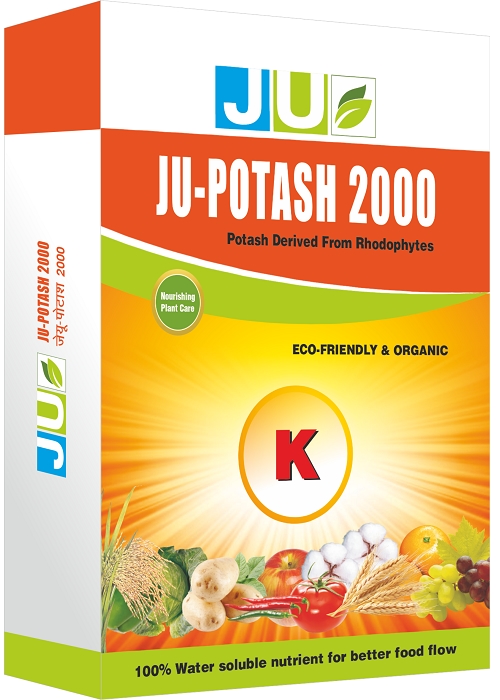
The Changing Role of an Agrochemical Company in India
The agricultural input industry has moved beyond simply supplying pesticides. Farmers today require solutions that address crop protection, plant nutrition and sustainable resource management together.
An Agrochemical Company in India may therefore operate across multiple agricultural categories, including herbicides, insecticides, fungicides, biological fertilizers, bio-stimulants and specialty plant nutrition products.
The diversity of Indian agriculture makes this particularly important. Paddy farmers may face weed pressure associated with flooded cultivation, while cotton growers may focus more heavily on insect management. Soybean and wheat producers have their own combinations of weed, disease and nutritional challenges.
Consequently, agricultural inputs should always be selected according to the crop, field conditions, target problem and product registration.
How an Agrochemical Manufacturing Company Supports Farmers
An agrochemical manufacturing company plays a key role in developing formulations designed for specific agricultural applications. Manufacturing quality influences product consistency, storage characteristics, mixing behaviour and practical field use.
A responsible manufacturer also provides information about application requirements, safety precautions and intended use. Farmers can use this information to make better decisions and avoid inappropriate applications.
Quality should therefore be considered throughout the agricultural input chain, from manufacturing and packaging to distribution, storage and final application on the farm.
Product Stewardship Is Part of Modern Agriculture
Responsible crop protection involves more than applying an agricultural product at the correct dose. Farmers should identify the actual pest, disease or weed problem and determine whether treatment is necessary.
They should also consider crop stage, weather conditions, equipment calibration and environmental precautions. Following the current product label is essential because recommendations can differ between formulations and registered uses.
Understanding Pretilachlor 50 EC in Rice Production
Rice cultivation can face substantial weed competition, particularly during early crop establishment. Weeds compete with rice plants for nutrients, water, sunlight and growing space, potentially affecting crop development when not appropriately managed.
Pretilachlor 50 EC is an emulsifiable concentrate herbicide formulation associated with weed management in certain rice production systems. Its suitability depends on the specific registered use, target weeds, crop conditions and application timing.
The term Pretilachlor 50 generally describes a formulation containing pretilachlor at the specified concentration. Farmers should not determine the dose solely from the product name or concentration. The current product label should always be followed for the exact application recommendation.
Why Rice Weed Management Requires Timing
Herbicides can perform differently depending on the growth stage of weeds and the crop. Applying a product too early or too late can affect control and crop safety.
Rice farmers should therefore consider field preparation, crop establishment, water management and weed development when planning herbicide applications. Uniform application is also important, making properly calibrated equipment a valuable part of the process.
Pretilachlor 50 and Responsible Herbicide Selection
A product containing pretilachlor should be selected based on the weeds present and the crop system in which it is registered. Not every rice field has the same weed spectrum, and weed populations can change from one season to another.
Farmers should monitor fields and identify dominant weeds before choosing a treatment. Grasses, sedges and broadleaf weeds may require different management approaches.
Herbicide selection should also take resistance management into account. Repeatedly relying on the same herbicide mode of action can place selection pressure on weed populations. Where appropriate, farmers can integrate different management practices and follow locally recommended resistance-management strategies.
The Role of Plant Nutrition Manufacturers
Crop protection is only one component of productive agriculture. Plants require adequate and balanced nutrition to establish, develop roots, produce foliage and complete reproductive stages.
This makes plant nutrition manufacturers an important part of the agricultural input sector. Their portfolios may include fertilizers, micronutrients, biological fertilizers, bio-stimulants and other specialized products designed to support different crop requirements.
However, nutrient management should be based on agronomic need. Soil testing, crop history, crop stage and expected yield can help determine an appropriate nutrient programme.
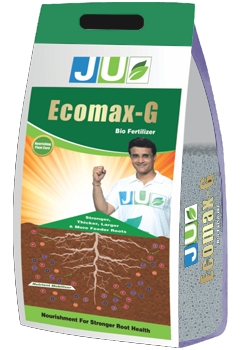
Nutrition and Crop Protection Work Together
Balanced nutrition does not replace crop protection, and pesticides do not replace appropriate fertilization. Each addresses a different part of crop management.
For example, a farmer may need to manage weeds in a rice field while separately ensuring that the crop receives adequate nutrients. Combining these practices according to actual field requirements can create a more comprehensive production strategy.
Improving Spray Application With an Agrochemical Spreader
Product selection is only one part of successful crop protection. Application quality also matters. Poor spray coverage can reduce the amount of product reaching the intended target.
An agrochemical spreader or appropriate adjuvant may help improve wetting, spreading or coverage in certain spray situations. However, it should not be automatically added to every agricultural spray.
Compatibility between the adjuvant, pesticide, crop and water source should be established before use. The product label should always take priority over general recommendations.
Application Conditions Matter
Spray performance can be affected by wind, temperature, humidity, water quality, nozzle selection and spray pressure. Farmers should use calibrated equipment and avoid conditions that could create excessive drift or uneven coverage.
Correct mixing procedures are also important. Agricultural products should be mixed according to their labels rather than using assumptions based on previous applications.
What Makes a Reliable Agrochemical Manufacturer?
A modern agrochemical manufacturer needs to combine product quality with agricultural knowledge and responsible product communication. Farmers and agricultural professionals need accurate information about the intended use of each product.
Manufacturing capabilities, quality-control processes, product consistency, technical support and responsible-use guidance are all relevant when agricultural stakeholders evaluate suppliers.
The best product for a particular farm is ultimately determined by the crop problem and registered application rather than by a general reputation or marketing claim.
JU Agri Sciences and Agricultural Innovation
JU Agri Sciences Pvt. Ltd. has more than two decades of experience in crop protection and sustainable agriculture. Its portfolio includes insecticides, fungicides, herbicides, biological fertilizers, biological pesticides, bio-stimulants and plant nutrition solutions.
The company serves agricultural stakeholders across India through a network of more than 5,500 trade partners and 25,000 retailers. Its product portfolio covers crops including paddy, cotton, wheat, soybean, pulses, vegetables and fruits.
This broad agricultural portfolio reflects the changing requirements of Indian farming, where crop protection and plant nutrition increasingly need to be considered together.
Moving Toward Integrated Agricultural Management
The future of Indian agriculture will require greater efficiency in the use of water, fertilizers and crop protection products. Better field monitoring, improved formulations, biological technologies and precision application can contribute to this transition.
However, technology is most useful when combined with sound agronomic decisions. Farmers should identify the field problem, understand the crop stage, select a registered solution and apply it according to the manufacturer's directions.
This approach can help reduce unnecessary input use while supporting productive and responsible farming.
Conclusion: Building More Efficient Crop Protection Programmes
An agrochemical company in India can support modern agriculture by providing solutions for weed management, insect control, disease management and plant nutrition. An agrochemical manufacturing company also has an important responsibility to maintain product quality and provide clear information for responsible use.
In rice production, Pretilachlor 50 EC and products described as Pretilachlor 50 may form part of appropriate weed-management programmes when used according to their registered recommendations. Meanwhile, an agrochemical spreader can support spray coverage when its use is compatible and recommended.
At the broader farm level, plant nutrition remains equally important. Working with reliable plant nutrition manufacturers and integrating nutrition with crop protection can help farmers develop more complete crop-management programmes.
JU Agri Sciences Pvt. Ltd. provides solutions across crop protection, biological agriculture and plant nutrition. To explore its agricultural portfolio, visit https://juagrisciences.com/ and consult qualified agricultural professionals for crop- and region-specific recommendations.
Frequently Asked Questions
What is Pretilachlor 50 EC?
Pretilachlor 50 EC is an emulsifiable concentrate herbicide formulation associated with weed management in certain rice cultivation systems. Farmers should follow the current registered product label for crop, target weeds, dose and timing.
What does Pretilachlor 50 mean?
Pretilachlor 50 generally refers to a formulation containing pretilachlor at the specified concentration. The exact application instructions should be obtained from the specific product label.
Why are plant nutrition manufacturers important?
Plant nutrition manufacturers provide products that support crop nutrient management, including fertilizers, micronutrients, biological fertilizers and bio-stimulants. These products complement broader agronomic practices.
What is an agrochemical spreader?
An agrochemical spreader is an adjuvant that can help improve spray wetting or coverage in certain applications. Its use should be based on compatibility and product-specific recommendations.
What should farmers consider when choosing an agrochemical manufacturer?
Farmers can consider product quality, registration, clear labelling, technical support, manufacturing standards and suitability for the intended crop and agricultural problem.
Can Pretilachlor 50 be used in every crop?
No. Herbicide use depends on the registered crop, target weeds, formulation and application instructions. Farmers should never assume that a product registered for one crop is automatically suitable for another.