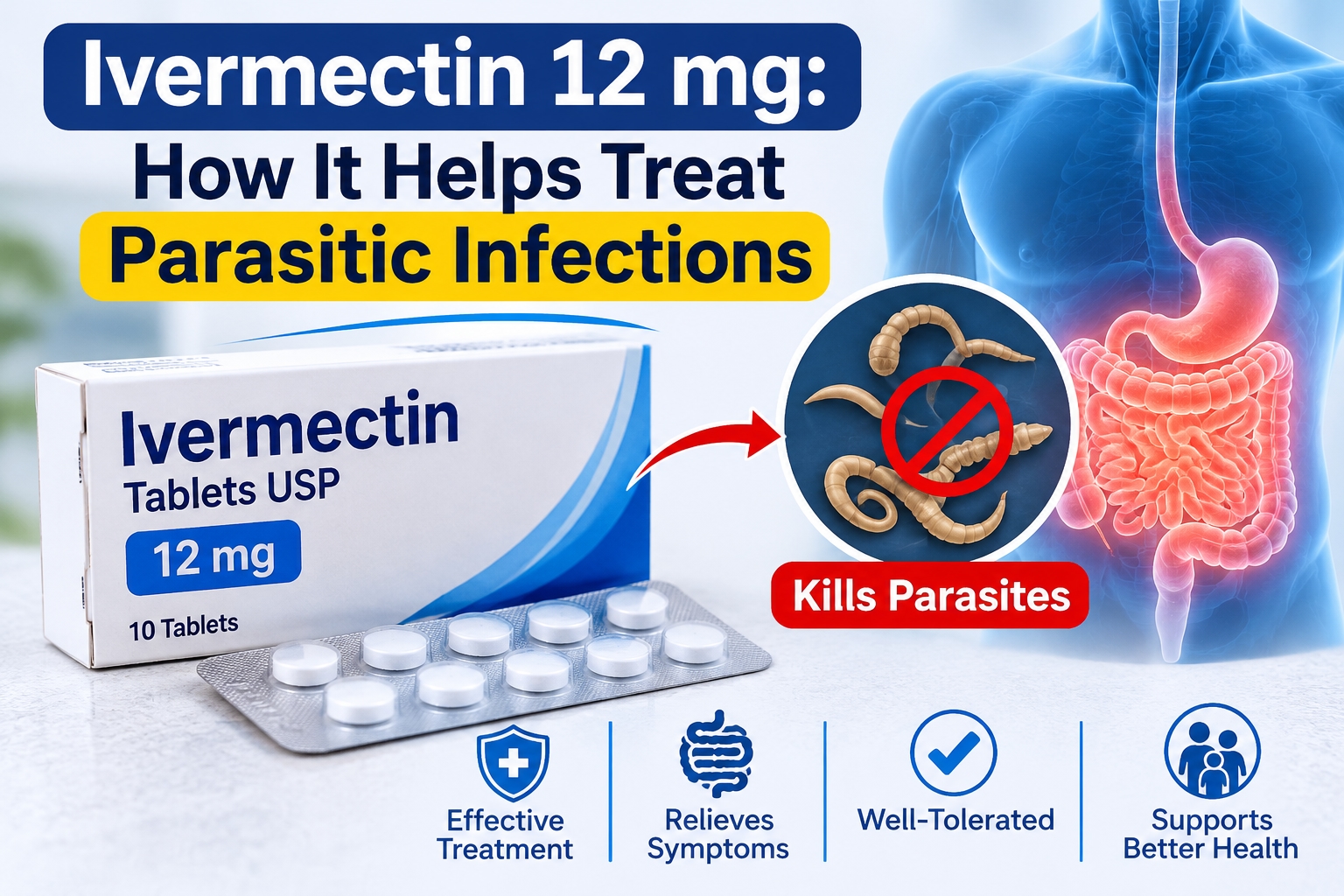
Parasitic infections can affect different parts of the human body, including the skin, intestines, and other tissues. These infections may cause symptoms such as itching, rashes, digestive discomfort, and general weakness. Depending on the type of parasite involved, appropriate medical treatment is essential to eliminate the infection and prevent complications. One medication commonly used to treat certain parasitic infections is Ivermectin 12 mg.
Ivermectin is an antiparasitic medication that works by targeting specific parasites and disrupting their nervous system. It has been widely used in the treatment of several parasitic conditions and is considered an important option in antiparasitic therapy when prescribed appropriately by a healthcare professional.
What Is Ivermectin 12 mg?
Ivermectin 12 mg is a prescription antiparasitic medicine containing ivermectin as its active ingredient. It belongs to a group of medications known as anthelmintics, which are used to treat infections caused by certain parasitic worms and other parasites.
Healthcare professionals may prescribe ivermectin for conditions such as strongyloidiasis (intestinal threadworm infection), onchocerciasis (river blindness), and certain cases of scabies and other parasitic infestations.
The 12 mg strength represents the amount of ivermectin in the tablet. However, the appropriate dose depends on factors such as body weight, the type of infection, medical history, and treatment requirements. It should not be taken without medical advice.
How Does Ivermectin Help Treat Parasitic Infections?
Ivermectin works by interfering with the nervous system of susceptible parasites. It binds to specific chloride channels in parasite nerve and muscle cells, particularly glutamate-gated chloride channels.
This action increases the movement of chloride ions into the cells, causing paralysis and eventually the death of susceptible parasites. As a result, the parasites lose their ability to move, feed, and survive.
By reducing the parasite burden, ivermectin helps the body recover from the infection. Its effectiveness depends on the particular parasite and the condition being treated.
Parasitic Infections Treated With Ivermectin
Ivermectin is used to manage several parasitic conditions under medical supervision.
1. Strongyloidiasis
Strongyloidiasis is an intestinal infection caused by the parasitic Intestinal worm Strongyloides stercoralis. It may cause abdominal pain, diarrhoea, skin irritation, and other digestive symptoms. Ivermectin is commonly recommended as a first-line treatment for uncomplicated strongyloidiasis.
2. Onchocerciasis
Also known as river blindness, onchocerciasis is caused by the parasitic worm Onchocerca volvulus. The infection can affect the skin and eyes. Ivermectin helps reduce the number of microfilariae (immature worms), helping control symptoms and reduce the risk of eye complications. Repeated treatment may be necessary.
3. Scabies
Scabies is a contagious skin infestation caused by microscopic mites called Sarcoptes scabiei. It commonly causes intense itching, particularly at night, and small skin rashes. Oral ivermectin may be prescribed for certain cases, including crusted scabies or situations where topical treatment is unsuitable.
4. Other Parasitic Infestations
Depending on clinical circumstances and local treatment guidelines, ivermectin may also be used for other susceptible parasitic infestations. Not every parasitic infection responds to ivermectin, so accurate diagnosis is important.
Benefits of Ivermectin 12 mg
When prescribed for an appropriate infection, ivermectin offers several potential benefits:
Targets parasites: Helps eliminate susceptible parasites by disrupting their nervous system.
Convenient oral treatment: Available in tablet form for easy administration.
Established treatment option: Has a long history of use against specific parasitic infections.
Supports recovery: Reducing parasite numbers can help improve infection-related symptoms.
Useful for selected conditions: Can treat certain worm infections and mite infestations.
Possible Side Effects and Precautions
Like other medications, ivermectin may cause side effects. Commonly reported effects include nausea, diarrhoea, dizziness, fatigue, and abdominal discomfort.
Some people may experience itching, skin rashes, or swelling. In certain infections, inflammatory reactions can occur as parasites die. Severe allergic reactions and neurological symptoms are uncommon but require immediate medical attention.
Before taking ivermectin, inform your doctor about existing medical conditions, pregnancy, breastfeeding, allergies, and other medications you use. People with certain infections may require additional monitoring during treatment.
How to Use Ivermectin 12 mg Safely
Always follow your healthcare professional's instructions regarding dosage and treatment duration. The dose is generally determined by body weight and the infection being treated. A 12 mg tablet is not a standard dose for everyone.
Do not increase, decrease, or repeat the dose without medical guidance. Avoid self-medication, and do not use veterinary ivermectin products for human treatment.
Conclusion
Ivermectin 12 mg is an established antiparasitic medication that helps treat specific infections by interfering with the nervous system of susceptible parasites. It can be beneficial in managing conditions such as strongyloidiasis, onchocerciasis, and selected cases of scabies. However, proper diagnosis, individualized dosing, and medical supervision are essential for safe and effective treatment. Always consult a qualified healthcare professional before using ivermectin to ensure it is appropriate for your condition.