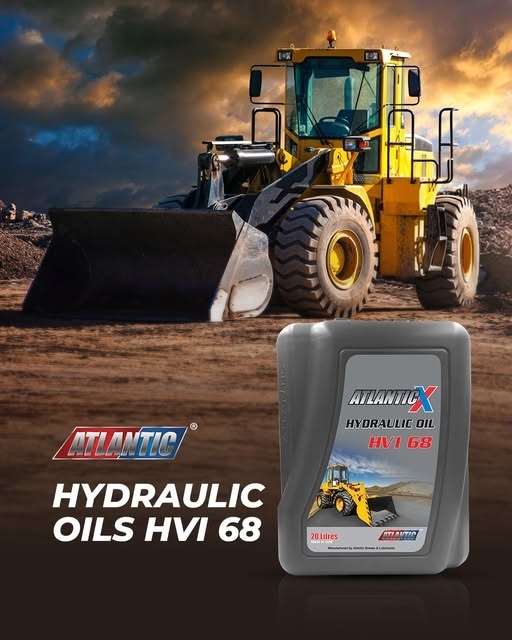
The significance of hydraulic fluids or oils lies in their ability to transmit power in hydraulic systems. Yet, the capabilities of a good hydraulic fluid extend far beyond energy transfer. They encompass four additional pivotal functions: heat transfer, contamination removal, sealing, and lubrication.
Before delving deeper, let us provide a concise overview of each function:
Heat transfer:
As hydraulic machines propel fluid through pumps and motors, the interaction between oil particles and metallic surfaces generates excessive heat. This overheating phenomenon poses a threat to seals, valves, and other vital components of machinery.
Contaminant removal:
High-quality hydraulic oils possess the capacity to eliminate solid particles and water. The responsibility of filtering lies in the hands of the filtration system, which separates contaminants from the fluid and reintegrates the purified liquid into the circuit.
Sealing:
Upon the closure of major clearances between parts, hydraulic oil assumes the role of completing the sealing process initiated by the seals. The viscosity of the fluid plays a crucial role in achieving an effective seal. Fluids with a higher viscosity index generally excel in maintaining consistent sealing capabilities.
Lubrication:
Hydraulic fluids are crucial in safeguarding internal components from wear and tear. Without proper lubrication, hydraulic systems would succumb to extensive damage within a short timeframe.
Selection Depends On Careful Consideration
Selecting the most suitable hydraulic oil predominantly relies on viscosity. In colder temperatures, oils with lower viscosity and low pour points exhibit optimal performance. Conversely, a high-viscosity fluid becomes the sole viable option if the machine operates within varying temperature ranges. Consequently, prior to making a selection, careful consideration of the viscosity requirement becomes imperative.
Now that the selection process is accounted for, it is time to address the challenges associated with hydraulic oils. The following are some common issues encountered with this fluid variety:
Sludge Formation:
Hydraulic oils containing zinc are prone to sludge formation. Consequently, the presence of zinc jeopardizes overall machinery hygiene and detrimentally affects filter performance. It is recommended to opt for non-zinc hydraulic oils to circumvent this concern. These oils produce minimal sludge, ensuring a clean machine and preventing frequent filter blockages.
Burnt Smell And Darkening:
Inadequate oxidation stability causes numerous hydraulic oils to darken and emit a pungent burnt smell. Once a certain temperature and pressure threshold is reached, these fluids fail to transmit the required power to the system. Therefore, opting for products leads to benefits, as they boast excellent oxidation and thermal stability. This guarantees consistent hydraulic performance across various temperatures and pressures and extends the fluid's drain life.
Oil leakage:
Thanks to its high viscosity index, hydraulic fluid remains unchanged even when subjected to elevated temperatures within the machinery. Consequently, the fear of oil leakage and wastage is entirely eliminated.
Corrosion:
Zinc-based hydraulic oils tend to induce corrosion in hydraulic power systems, primarily affecting yellow metal parts. Conversely, non-zinc hydraulic oils safeguard the system, ensuring a prolonged lifespan.
Which Hydraulic Fluid Should You Use?
Various fluids, including engine oil, marine hydraulic fluid, automatic transmission fluid, and oil specifically formulated for hydraulic compartments, can satisfactorily operate within most hydraulic systems. However, determining the optimal fluid for a particular application is not a one-size-fits-all endeavor. Several factors must be taken into account when selecting or changing hydraulic fluids.
Consideration Of Viscosity Maintenance
Most importantly, viscosity stands as the paramount consideration. Regardless of the oil's other properties, maximum component lifespan cannot be achieved if the viscosity grade does not align with the hydraulic system's operating temperature range. Establishing the correct viscosity grade involves the evaluation of interdependent variables, such as the starting viscosity at minimum ambient temperature, the maximum expected operating temperature influenced by ambient conditions, and the permissible and optimum viscosity range for the system's components.
In scenarios where hydraulic systems must endure freezing winter temperatures and scorching tropical conditions, multigrade oil is essential to maintain viscosity within permissible limits across a broad temperature range. By preserving fluid viscosity within the optimum range, typically 25 to 36 centistokes, the overall efficiency of the hydraulic system reaches its zenith, resulting in reduced power consumption. For users of mobile hydraulic equipment, this translates into decreased fuel usage.
Things To Consider
However, caution must be exercised when employing multigrade fluids in hydraulic systems. The viscosity index (VI) improvers incorporated in multigrade oils can adversely affect the oil's air separation properties. This drawback could be more desirable in automobile hydraulic systems with relatively small reservoirs and reduced de-aeration characteristics.
Furthermore, a multigrade oil not specifically designed for hydraulic systems, such as engine oil, is employed. In that case, the high shear rates and turbulent flow prevalent in hydraulic systems gradually degrade the molecular bonds of VI improvers, leading to viscosity loss over time. Consequently, when utilizing multigrade engine oil in a hydraulic system, increasing the system's minimum permissible viscosity values by 30% is recommended to compensate for VI improver shear down.
These fluids' primary concern is their exceptional water emulsification capability. Consequently, when present, water fails to separate from the fluid. Water accelerates oil aging, reduces lubricity and filterability, diminishes seal lifespan, and induces corrosion and cavitation. Emulsified water can even transform into steam within heavily loaded sections of the system. It is crucial to maintain the water content below the oil's saturation point at the operating temperature.
Regarding hydraulic oil recommendations, adhering to the equipment manufacturer's guidelines is prudent for warranty-related considerations. However, in certain applications, deviating from the originally specified fluid type may enhance hydraulic system performance and reliability. Nonetheless, engaging in discussions with technical specialists from both the oil supplier and the equipment manufacturer is crucial before transitioning to a different oil type. The repercussions of utilizing an incorrect hydraulic fluid can prove financially burdensome. To avoid falling prey to six costly mistakes that can afflict hydraulic equipment, always exercise caution and seek expert guidance near me.