
This Article Was Originally Published On clickup.com And Has Been Republished Here With Permission.
Managing IT equipment across several locations can be difficult. A heat warning, power issue, or device fault at one branch may go unnoticed until staff report a problem. This is why central monitoring is useful. It gives IT teams a clear view of important site conditions without visiting every location. Banks, clinics, schools, retail stores, and branch offices can all benefit from this approach. In this article, we will discuss how smart infrastructure can make remote IT monitoring simpler and more effective.
See Important Conditions From One Place
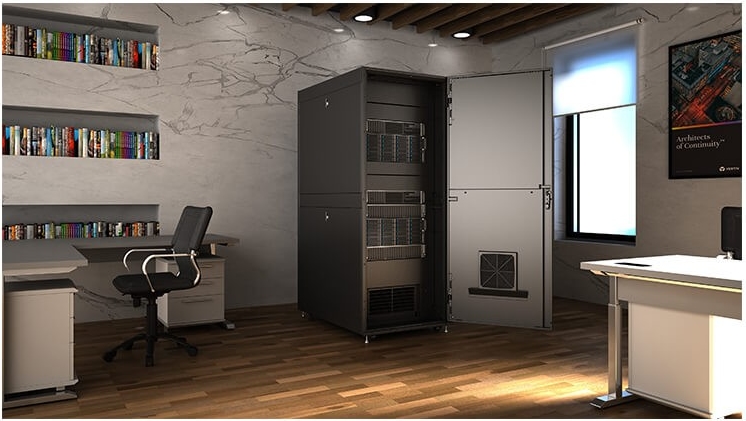
A Vertiv smart rack can help bring key equipment into one managed setup where teams can watch power, temperature, and other basic conditions more easily. This is useful when a business has several branches but only one main IT team. For example, a retail chain may have network equipment in five stores. If one site starts getting too warm, the team can notice the change early and act before equipment slows down or fails. This kind of early warning can save time and reduce avoidable service visits. It also gives the team a clearer idea of which location needs attention first when several alerts appear at the same time.
Choose a Setup That Matches Your Future Needs
An affordable Vertiv smart rack should not only fit the current equipment. It should also leave some room for future growth. Businesses should check rack size, cooling needs, cable space, sensor placement, and access before installation. A school may start with a few switches and later add CCTV storage or more network devices. If there is no spare space, the whole setup may need to be changed. Spending a little more at the start can sometimes make future upgrades easier and less costly. Planning extra room for new devices can also reduce the need to move existing equipment every time the IT setup grows.
Keep Power Monitoring Part of the Plan
When businesses compare Vertiv ups price, they should look beyond the buying cost. Backup time, battery condition, load level, alarms, and service access also matter. A lower-cost unit may not be the best choice if it is hard to monitor or maintain. Power alerts should be easy to check together with heat or rack warnings. This gives IT teams a better view of what is happening at each site. It also helps them decide whether a problem needs quick action or can wait for a planned service visit. Clear power data can also help teams notice repeated problems before they start affecting important equipment or daily work.
Create Simple Rules for Remote Support
Using Vertiv ups for remote sites works better when teams know what to do when an alert appears.
Set clear limits for high temperature warnings.
Decide who will handle power and battery alerts.
Record normal load levels for each site.
Check repeated warnings instead of ignoring them.
Keep a local contact available for simple checks.
Update records whenever equipment changes.
These simple steps help teams respond faster and keep remote locations easier to manage. A short response plan also prevents confusion when an alert appears outside normal working hours and the main IT person is not available.
Conclusion
Central monitoring helps businesses watch power, heat, and equipment conditions across different locations from one place. With clear alerts, simple planning, and a proper response process, teams can reduce unnecessary site visits and handle problems earlier.
Meghjit Power Solutions supports businesses in Kolkata and Bengal with UPS systems, batteries, precision cooling, voltage stabilizers, and rack solutions. The company helps organizations build practical IT setups that are easier to monitor, maintain, and expand as their needs grow.
For directions, recent reviews, and quick service details, visit the Google Business Profile.
Frequently Asked Questions
Question: Why is central monitoring useful for businesses with several IT locations?
Answer: It helps IT teams check important conditions without visiting every site. They can notice power, heat, or equipment issues early and decide which location needs attention first.
Question: Does remote monitoring remove the need for physical maintenance?
Answer: No. Equipment still needs regular checks and servicing. Remote monitoring simply helps teams find problems earlier and plan maintenance visits more efficiently.
Question: What should businesses monitor at remote IT sites?
Answer: Common areas include temperature, power load, battery condition, backup system warnings, and repeated alerts. The right setup depends on the equipment and how important each location is.







