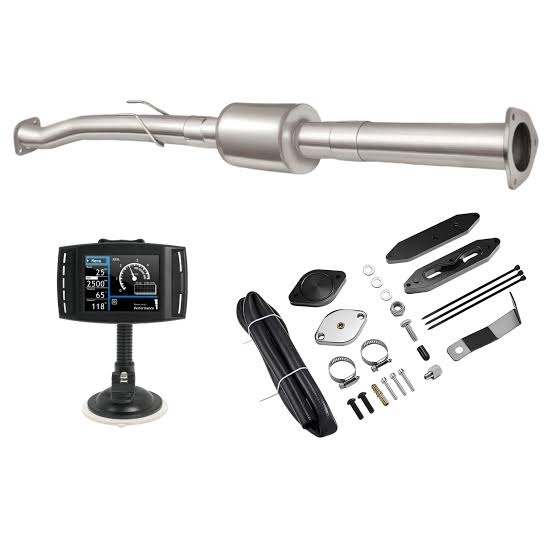
Buying performance-related diesel equipment requires more research than simply comparing prices and product photographs. Owners of modern diesel trucks should understand how emissions components, engine management systems, warranty requirements, and local regulations affect any modification. When researching a Ford 6.7 Powerstroke Delete Package, it is important to look beyond marketing claims and determine whether the product is actually appropriate for the intended vehicle and use. A careful evaluation can help buyers avoid compatibility problems, unexpected costs, and products that do not meet their expectations.
Understand What the Package Includes
The first step is to establish exactly what a package contains. Products marketed for diesel trucks can vary considerably in their components, installation requirements, software features, and intended applications. Read the complete product description rather than relying on the package name alone. Check whether the listed equipment is supplied as a complete set or whether additional parts, tools, software, or professional services may be required. Understanding the contents before purchasing makes it easier to compare different options accurately.
Check Compatibility With Your Truck
Ford 6.7 Powerstroke engines have been produced across multiple model years, and specifications can differ between generations. Before considering any modification package, verify the truck's exact model year, engine configuration, transmission, and existing equipment. A product designed for one generation may not be suitable for another. The seller should provide clear compatibility information, including applicable model years and engine variations. If the information is unclear, contacting the manufacturer before ordering is preferable to assuming that similar-looking trucks use identical systems.
Research Manufacturer Reputation
The company behind a product can be just as important as the product itself. Research how long the manufacturer has been operating, whether it publishes detailed technical information, and whether customers consistently report satisfactory experiences. Look for transparent specifications rather than vague claims about performance. Reviews can also reveal recurring issues involving fitment, instructions, customer support, or product quality. A reputable supplier should make it reasonably easy for prospective buyers to understand what they are purchasing.
Consider Installation Requirements
Installation is another important factor that should be investigated before making a purchase. Some diesel modifications require substantial mechanical knowledge, specialized tools, or electronic configuration. Others may involve several stages that can increase labor time and costs. Review the installation documentation whenever it is available and determine whether the work requires professional assistance. Even when a product appears straightforward, improper installation can create mechanical or electronic problems and may increase the total expense of the project.
Evaluate Software and Electronic Considerations
Modern diesel trucks rely heavily on electronic control systems, making software compatibility an important consideration when researching modifications. Buyers should understand what electronic changes a product requires and whether those changes can affect vehicle operation. Avoid relying solely on claims such as improved power or fuel economy without understanding the conditions under which those results may occur. Reliable product information should explain the system's requirements clearly and avoid unrealistic guarantees.
Review Legal and Emissions Requirements
One of the most important parts of responsible research is understanding applicable emissions regulations. Removing, disabling, or altering emissions-control equipment can be restricted or prohibited for vehicles operated on public roads in many jurisdictions. Requirements may also differ depending on whether a vehicle is used on-road, off-road, for competition, or in another specific environment. Before purchasing any emissions-related modification, research the rules that apply to your location and vehicle use. Legal compliance should be considered before performance goals or pricing.
Compare Warranty and Support Policies
A product warranty can provide useful information about how a supplier stands behind its equipment. Read the warranty terms carefully and determine what is covered, how long coverage lasts, and whether installation or vehicle modifications affect eligibility. Customer support is equally valuable, particularly when a product involves mechanical or electronic components. A supplier that provides clear documentation and responsive assistance may offer considerably more value than a cheaper product with limited support.
Compare Total Cost Instead of Purchase Price
The advertised price should not be the only financial consideration. Installation labor, additional components, diagnostic work, replacement parts, shipping, and potential maintenance can all affect the final cost. A lower-priced product may become more expensive if it requires additional equipment or professional troubleshooting. Creating a realistic estimate of the complete project allows buyers to make a more informed comparison between different products and suppliers.
Look for Clear and Verifiable Information
Good research depends on information that can be checked. Product specifications, compatibility details, installation requirements, warranty conditions, and legal considerations should come from reliable sources whenever possible. Be cautious when a seller provides exaggerated performance promises or avoids answering basic technical questions. Independent owner experiences can provide useful context, but they should be compared with manufacturer documentation and official requirements rather than treated as definitive evidence.
Make a Responsible Purchasing Decision
Once compatibility, installation, costs, support, and legal considerations have been reviewed, buyers can decide whether a particular modification fits their situation. A Ford 6.7 Powerstroke Delete Package should never be selected solely because it appears inexpensive or promises dramatic results. Taking time to verify the details can prevent costly mistakes and help ensure that any vehicle modification is appropriate for its intended application. Responsible research ultimately means understanding both the potential benefits and the limitations before committing to a purchase.
Conclusion
Researching diesel performance equipment should involve more than reading a product title and checking its price. Buyers should verify compatibility, investigate the manufacturer, understand installation requirements, review electronic considerations, calculate the complete cost, and research applicable emissions laws. By taking these steps before purchasing, truck owners can make decisions based on accurate information rather than assumptions and avoid unnecessary complications later.