A Permanent Change of Station (PCS) can bring a major transition for service members and their families. Along with arranging transportation, packing household goods, managing paperwork, and preparing for a new duty station, finding suitable housing is one of the most important parts of the move. Starting the housing search early can give military families more time to compare neighborhoods, understand housing costs, and prepare for the transition.
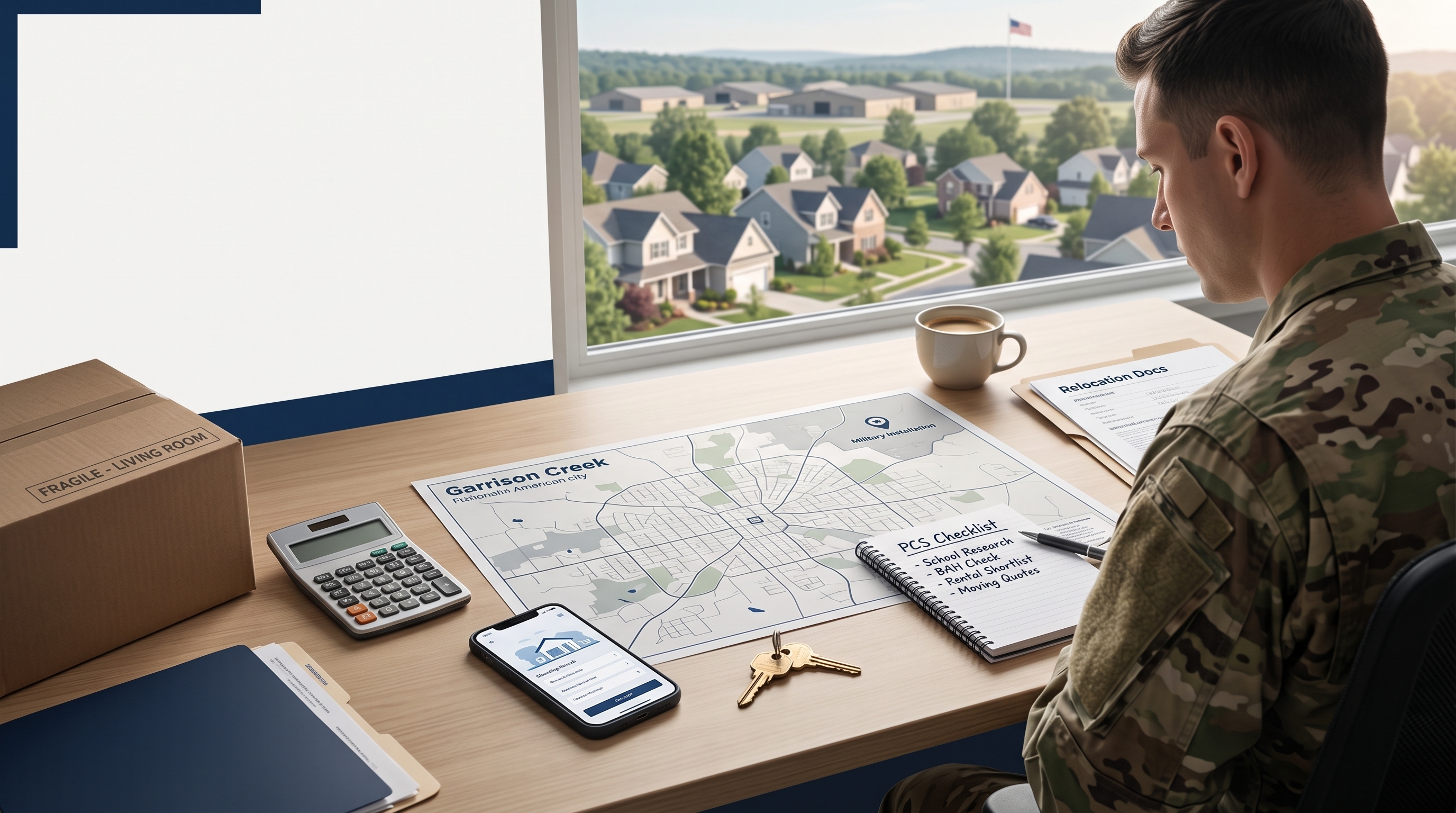
For service members and families who are beginning their housing research, MilHousing Network provides military housing information and resources that can help with exploring housing options around a new duty station. Having housing information available before the move can make it easier to organize priorities and understand what needs to be handled before arrival.
Preparing for housing before a PCS does not necessarily mean signing a lease or purchasing a home immediately. It means gathering information, establishing a realistic budget, researching the new area, and creating a plan that matches the family's circumstances. Military OneSource also recommends starting the planning process as soon as a move is known and using available tools and relocation resources to organize the process.
Start Housing Research as Soon as You Receive Orders
One of the simplest ways to make a PCS housing transition easier is to avoid waiting until the last minute.
Once orders are available, service members can begin researching the new duty station and surrounding communities. The amount of preparation needed can vary depending on whether the move is across town, across the country, or overseas.
Early research can help families understand:
Where the new duty station is located
How far nearby communities are from the installation
Typical rental prices
Home prices in surrounding neighborhoods
Available military housing
Local schools and family services
Transportation and commuting options
Utility and living costs
Temporary lodging possibilities
Military OneSource provides tools for researching new installations and communities, including information about local programs and services.
Starting early also gives families time to identify questions they need answered before making a housing decision.
Understand Your Housing Budget
Before looking seriously at homes or apartments, determine how much you can reasonably spend on housing.
For eligible service members, Basic Allowance for Housing (BAH) can be an important part of the housing budget. However, families should not automatically assume that the entire allowance should be spent on rent or a mortgage.
Housing costs can include much more than the advertised monthly rent or mortgage payment. Depending on the situation, families may also need to budget for:
Utilities
Internet
Renters or homeowners insurance
Property taxes
Maintenance
Parking
Security deposits
Application fees
Moving-related expenses
Temporary lodging
Creating a complete housing budget before the move can make it easier to compare different options.
For example, a home with slightly higher rent may include utilities or offer a shorter commute, while a cheaper property may have higher transportation costs. Looking at the total monthly cost can provide a more useful comparison than focusing on rent alone.
Research On-Base Housing
For some military families, living on or near the installation may be an attractive option.
On-base or privatized military housing can provide proximity to work and access to installation-related services. Depending on the location, families may also find community facilities, recreational opportunities, schools, and other services nearby.
However, availability can vary between installations, and housing options may depend on factors such as rank, family size, availability, and local policies.
Families considering installation housing should contact the appropriate housing office at the gaining installation and ask about application procedures, availability, waiting lists, eligibility, and expected timelines.
It is useful to begin this research before arriving because housing availability can change.
Explore Off-Base Housing
Off-base housing can provide a wider range of choices in some areas.
Families may find apartments, townhomes, single-family homes, and other rental properties in communities surrounding a military installation. The right option can depend on budget, family size, commute, schools, lifestyle preferences, and how long the family expects to remain in the area.
When researching off-base housing, look beyond listing photos.
Consider the neighborhood, commute, nearby services, parking, local traffic, school options, property condition, and the total cost of living.
Online research can help create an initial shortlist, but families should verify important details before signing a lease or committing to a property.
Compare Neighborhoods Before Choosing a Home
Choosing the right neighborhood can be just as important as choosing the house itself.
Two homes located at similar distances from a military installation may have very different commuting times because of traffic patterns and road access.
Families can research:
Average commute times
Nearby schools
Grocery stores
Healthcare facilities
Parks and recreation
Childcare options
Public transportation
Shopping areas
Community services
Local amenities
If possible, families can also speak with people who already live near the new duty station. A sponsor, military family support center, or other local resource may provide useful information about the area.
Estimate Your Commute
Commute time is easy to overlook when searching for housing.
A property may look affordable online, but a long daily drive can affect fuel costs, vehicle maintenance, family routines, and available personal time.
Before choosing a property, estimate the commute during realistic travel periods rather than relying only on a basic map distance.
For families with children, also consider school drop-offs, childcare locations, and the service member's work schedule.
A slightly different location may provide a better balance between housing costs and daily transportation.
Prepare for Temporary Housing
A PCS does not always mean that permanent housing will be ready immediately after arrival.
There may be delays with household goods, housing availability, lease start dates, or other parts of the relocation process.
Military OneSource recommends preparing for situations where belongings may not arrive immediately and carrying important documents and essential items separately.
Families should therefore consider what they will need during the first few days or weeks.
Depending on the situation, temporary accommodation could include:
Temporary lodging
Extended-stay accommodation
Installation lodging
Short-term rental housing
Staying with family or friends
Having a temporary housing plan can reduce pressure if permanent housing is not immediately available.
Keep Important Housing Documents Accessible
PCS moves involve a significant amount of paperwork.
Important housing documents should be organized and kept somewhere easily accessible rather than packed into household goods.
These may include:
PCS orders
Current lease documents
Mortgage information
Housing applications
Identification documents
Insurance information
Financial records
Property inventory
Contact information for housing offices
Moving company documentation
Military OneSource specifically recommends keeping important documents available during the move, including housing information such as lease or mortgage paperwork.
Digital backups can also be useful. Families can securely store copies of important documents so they can access them when needed.
Create a PCS Housing Checklist
A housing checklist can prevent important tasks from being forgotten.
Instead of trying to remember everything, divide the process into stages.
Before the move
Review PCS orders
Research the new duty station
Contact the housing office
Check BAH information
Research neighborhoods
Compare rental and purchase options
Estimate commuting costs
Research schools and family services
Organize housing documents
Before leaving the current location
Confirm temporary lodging
Confirm transportation arrangements
Review lease or property obligations
Update relevant accounts
Keep essential documents accessible
Separate items needed during travel
After arrival
Complete installation check-in
Visit or contact the housing office
Inspect temporary or permanent housing
Set up utilities
Confirm internet and other services
Update mailing information when appropriate
Complete school or childcare registration
Organize household essentials
Military OneSource's Plan My Move tool can create customized checklists based on a family's move and circumstances.
Think About Renting vs. Buying
Some service members may consider buying a home before or after a PCS, while others may prefer renting.
There is no universal answer because military assignments can change and families have different financial circumstances.
Renting may offer flexibility for families who expect another move relatively soon. Buying may be considered by families who expect to remain in an area longer and are comfortable with the responsibilities of homeownership.
Before buying, consider:
Expected length of stay
Down payment and closing costs
Mortgage payment
Taxes and insurance
Maintenance
Local home prices
Potential resale considerations
Possibility of another PCS
If a future PCS requires the family to move, the property may need to be sold or rented. That possibility should be considered before purchasing.
Research Lease Terms Carefully
For families renting a home, reviewing the lease carefully is essential.
Important details may include:
Monthly rent
Security deposit
Lease length
Utility responsibilities
Maintenance responsibilities
Pet policies
Parking
Renewal terms
Early termination provisions
Notice requirements
Military families should pay particular attention to provisions that may apply when receiving PCS orders.
Rather than assuming a lease will automatically accommodate every situation, service members should understand the actual terms and seek appropriate assistance when they have questions.
Prepare for Overseas PCS Housing
An overseas PCS can require additional housing preparation.
Housing options, local rental practices, utilities, transportation, and cultural expectations can differ from those in the United States.
Military OneSource notes that service members preparing for an overseas move should contact the new installation housing office to explore available options and understand applicable housing support, including Overseas Housing Allowance where relevant.
Families should research the host location before departure and understand which housing decisions can be made before arrival and which may need to wait until they reach the new location.
Plan for Household Goods Delays
Housing preparation should also account for the possibility that household goods may arrive later than expected.
A family may move into a new home before furniture, kitchen equipment, or other belongings arrive.
Military OneSource recommends carrying essential items separately so families can manage the first days of a PCS even when their shipment is delayed.
Useful items may include:
Important medications
Chargers
Toiletries
Basic clothing
Important documents
Basic children's items
Pet supplies
Essential electronics
Basic kitchen supplies
Planning for this possibility can make the transition into temporary or permanent housing easier.
Document the Condition of Your New Home
Whether renting or buying, documenting the condition of a property when moving in can be useful.
For a rental, take clear photographs or videos of existing damage before unpacking. Record issues involving walls, flooring, appliances, doors, windows, fixtures, or other parts of the property.
For a purchased home, buyers should maintain their inspection and transaction records and document the property's condition as appropriate.
Military OneSource also recommends documenting the condition of the residence before movers arrive and keeping records of household goods and property.
Keeping organized records can make it easier to address questions later.
Set Up Utilities and Essential Services
Once permanent housing is confirmed, identify which services need to be transferred or activated.
Depending on the property, these may include:
Electricity
Water
Gas
Internet
Trash collection
Home security
Mail delivery
Military OneSource's settling-in guidance recommends reviewing which services are already included with military housing and arranging utilities that still need to be activated.
Taking care of these tasks early can make the first days in the new home more comfortable.
Build a Housing Plan, Not Just a Housing Search
Preparing for housing before a PCS is more than browsing online listings.
A successful housing plan considers the family's budget, duty station, commute, housing availability, temporary accommodation, documents, utilities, schools, and future needs.
The earlier these factors are considered, the more time families have to compare their options without making rushed decisions.
Military families should also remain flexible because PCS timelines and housing availability can change. A backup plan can be useful if the preferred property becomes unavailable or permanent housing is delayed.
Final Thoughts
Housing is one of the most important parts of preparing for a PCS. Whether a family plans to live on base, rent in the surrounding community, or eventually purchase a home, early preparation can make the transition more organized.
Start by reviewing the new duty station, understanding the housing budget, researching available communities, and contacting the appropriate housing resources. Create a checklist for important tasks, keep housing documents accessible, and prepare for temporary accommodation or household goods delays.
Most importantly, avoid making housing decisions based on limited information. Compare the total cost, location, commute, property condition, lease or purchase terms, and the family's expected time at the new duty station.
With a structured plan and reliable information, service members and their families can approach the housing side of a PCS with greater preparation and a clearer understanding of what needs to happen before, during, and after the move.