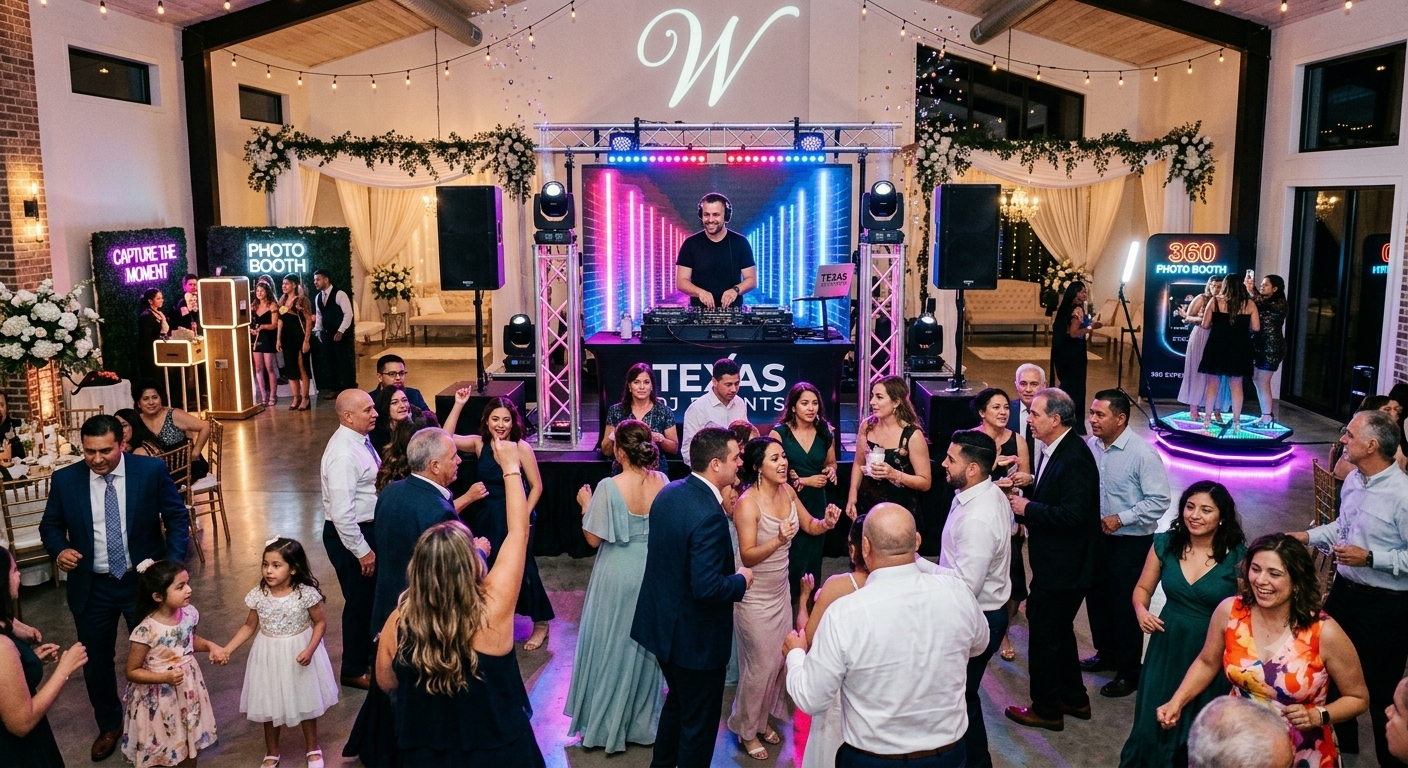
Planning the music for your wedding is an important part of creating the right atmosphere throughout the celebration. Professional DJ Services can help organize the music for different moments, from the ceremony and cocktail hour to dinner, special dances, and the reception. A skilled wedding DJ can also adjust the music based on the mood of the guests and keep the celebration moving smoothly.
When choosing Wedding DJ Services, couples should think about more than just a playlist. Music preferences, event timing, venue requirements, sound equipment, announcements, lighting, and guest interaction can all influence the overall experience. With thoughtful planning and clear communication, your DJ can create a soundtrack that fits your wedding style and keeps guests engaged.
Why Wedding Music Planning Matters
Music can influence the mood of nearly every part of a wedding. A romantic song can make a first dance feel more meaningful, while an energetic reception playlist can encourage guests to join the dance floor.
A well-planned wedding music schedule can help create the right atmosphere for:
Guest arrival
Wedding ceremony
Cocktail hour
Dinner
Wedding party entrance
Couple's grand entrance
First dance
Parent dances
Cake cutting
Bouquet or special activities
Open dancing
Reception closing
Working with Professional Wedding DJ Services can make it easier to organize these moments and keep the music flowing naturally.
Start With Your Wedding Music Style
Before meeting with your DJ, think about the overall music style you want for your wedding.
Some couples prefer a mix of several genres, while others want a specific musical direction throughout the reception. Your choices may depend on your personal taste, cultural background, guest demographics, and the type of atmosphere you want to create.
Consider whether you want:
Classic wedding songs
Contemporary hits
R&B
Pop
Hip-hop
Country
Latin music
Old-school favorites
Dance music
A combination of different genres
You do not have to create the entire playlist yourself. Your DJ can help suggest songs while using your preferences as a guide.
Create a Must-Play and Do-Not-Play List
One of the easiest ways to communicate your expectations is to create two simple lists.
Must-Play Songs
Your must-play list can include songs that are meaningful to you and your partner. These might include:
First dance song
Parent dance songs
Entrance music
Favorite artists
Family or cultural favorites
Songs you know your guests will enjoy
Do-Not-Play Songs
A do-not-play list can be just as useful. If there are certain songs, genres, or artists you do not want at your reception, tell your DJ ahead of time.
Giving your DJ clear preferences provides direction while still allowing them to read the crowd and make appropriate music choices.
Plan Music for Every Part of the Wedding
A wedding usually includes several different stages, and each one may require a different musical atmosphere.
Ceremony Music
Ceremony music is usually more traditional or emotional than reception music. You may need songs for:
Guest seating
Wedding party entrance
Bride or groom entrance
Special ceremony moments
Recessional
Discuss the ceremony schedule with your Wedding DJ Service so the music starts and changes at the right moments.
Cocktail Hour
Cocktail hour provides an opportunity for guests to socialize. Background music can create a pleasant atmosphere without overpowering conversations.
Your DJ may recommend a relaxed selection of music during this part of the event.
Dinner Music
Dinner music should generally complement the atmosphere without competing with conversations.
This is a good time for softer selections, romantic songs, or background music that reflects your overall wedding style.
Reception and Dancing
The reception is where music often becomes more energetic. After formalities are complete, your DJ can gradually transition into dance-floor favorites.
A professional DJ can monitor guest response and adjust the music accordingly.
Choose the Right Wedding DJ Services
Not every DJ offers the same type of service. When comparing Wedding DJ Services, consider what is included in the package.
Look at:
Number of service hours
Sound equipment
Wireless microphones
Lighting
MC services
Setup and breakdown
Music customization
Guest requests
Event coordination
Additional entertainment options
Understanding these details before booking can help you select a package that fits your wedding.
Consider the DJ's MC Skills
A wedding DJ may also serve as an MC. If your celebration includes announcements, introductions, speeches, and special activities, communication skills can be just as important as music selection.
An experienced DJ/MC may help announce:
Wedding party entrances
Couple's grand entrance
First dance
Parent dances
Dinner
Speeches
Cake cutting
Other scheduled activities
A confident MC can help guests understand what is happening without making the event feel overly scripted.
Match the Music to Your Guests
Your wedding music should reflect your preferences, but it can also help to consider your guests.
A wedding may include people from different generations and backgrounds. Instead of playing only one style of music for the entire night, your DJ can create variety.
For example, a reception playlist might move between:
Current popular songs
Classic favorites
Family-friendly dance songs
Cultural music
Slow songs
High-energy dance tracks
This variety can help different groups of guests find music they enjoy.
Think About Your Venue
Your venue can influence your wedding music setup.
Before booking Wedding DJ Services, find out whether the venue has specific requirements regarding:
Sound levels
Equipment placement
Power access
Setup time
Breakdown time
Lighting
Space requirements
Some venues have restrictions on amplified music or require vendors to follow specific setup procedures. Discussing these details in advance can prevent problems on the wedding day.
Choose Appropriate DJ Equipment
Quality sound equipment can make a noticeable difference during your wedding.
A professional setup may include:
Speakers
Wireless microphones
DJ mixing equipment
Professional lighting
Dance-floor lighting
Backup equipment
The equipment should be appropriate for the venue and guest count. A small reception and a large wedding celebration may require very different setups.
The goal is clear, balanced sound that allows guests to enjoy the music and announcements comfortably.
Add Lighting to Your Wedding Entertainment
Lighting can complement the music and help create a different atmosphere as the celebration progresses.
Depending on your venue and package, options may include:
Dance-floor lighting
Uplighting
Decorative lighting
Effect lighting
Personalized lighting effects
For example, softer lighting can work well during dinner, while more dynamic lighting can help create energy during dancing.
Consider Combining DJ and Photo Booth Entertainment
Some couples want more than music at their reception. Combining a DJ with a photo booth can provide guests with different forms of entertainment.
A photo booth can give guests an activity during cocktail hour, dinner breaks, or dancing. Meanwhile, the DJ can manage the music and announcements.
For couples planning multiple entertainment elements, bigaidadj can be considered as an option for combining professional DJ entertainment with additional event experiences such as photo booth services.
The key is to make sure each entertainment feature fits naturally into the wedding schedule rather than competing for guests' attention.
Build a Wedding Day Music Timeline
A timeline can help your DJ understand when each song or announcement needs to happen.
A basic timeline might look like:
Guest arrival and seating
Ceremony music
Cocktail hour
Dinner
Wedding party introduction
Couple's grand entrance
First dance
Parent dances
Speeches
Cake cutting
Open dancing
Final songs
Your exact schedule will depend on your wedding plans, but sharing a timeline with your DJ can make coordination easier.
Give Your DJ Room to Read the Crowd
While planning is important, a wedding reception should not feel completely rigid.
A professional DJ can watch how guests respond to different songs and adjust the playlist when necessary. If one style gets people dancing, the DJ may continue with similar songs. If the dance floor becomes quieter, they can change the musical direction.
This flexibility is one of the benefits of working with experienced Wedding DJ Services rather than relying only on a pre-made playlist.
Discuss Guest Song Requests
Guest requests can add fun to a reception, but couples may have different preferences about them.
Before the event, discuss your expectations with your DJ. You can decide whether:
Guests can make requests freely
The DJ should approve requests
Only certain genres are allowed
Requests should follow your must-play list
Certain songs should always be avoided
Having a plan allows the DJ to manage requests while keeping the overall musical direction consistent.
Review the DJ Package Before Booking
Before choosing your Professional DJ Services, carefully review what the package includes.
Check:
Service duration
Equipment
Lighting
Microphones
MC services
Setup and breakdown
Music planning
Additional hours
Travel policies
Optional entertainment
Avoid comparing DJs only by their starting price. A package with more included services may provide better overall value for your wedding.
How Early Should You Plan Your Wedding Music?
It is helpful to begin discussing music well before the wedding date. Starting early gives you enough time to choose important songs, create your preferences, coordinate the timeline, and discuss venue requirements.
You do not need every song selected immediately. Start with the most important moments and gradually build the rest of the music plan.
Important songs to choose first may include:
Ceremony entrance
Couple's entrance
First dance
Parent dances
Reception entrance
Final song
Your DJ can then help fill in the rest of the musical experience.
Final Thoughts
Planning your wedding music with Professional DJ Services can help create a smoother and more enjoyable celebration. Instead of thinking only about individual songs, consider the entire flow of your wedding, from the ceremony and cocktail hour to dinner, special dances, announcements, and the reception.
When choosing Wedding DJ Services, look for a provider who understands your musical preferences, communicates clearly, offers suitable equipment, and can adapt to the energy of your guests. A well-planned music timeline gives your DJ direction while still leaving room for flexibility.
Whether you are planning an intimate wedding or a large reception, the right DJ can help create memorable moments through music, announcements, lighting, and guest interaction. With thoughtful planning and a professional approach, your wedding entertainment can feel personal, organized, and enjoyable from beginning to end.