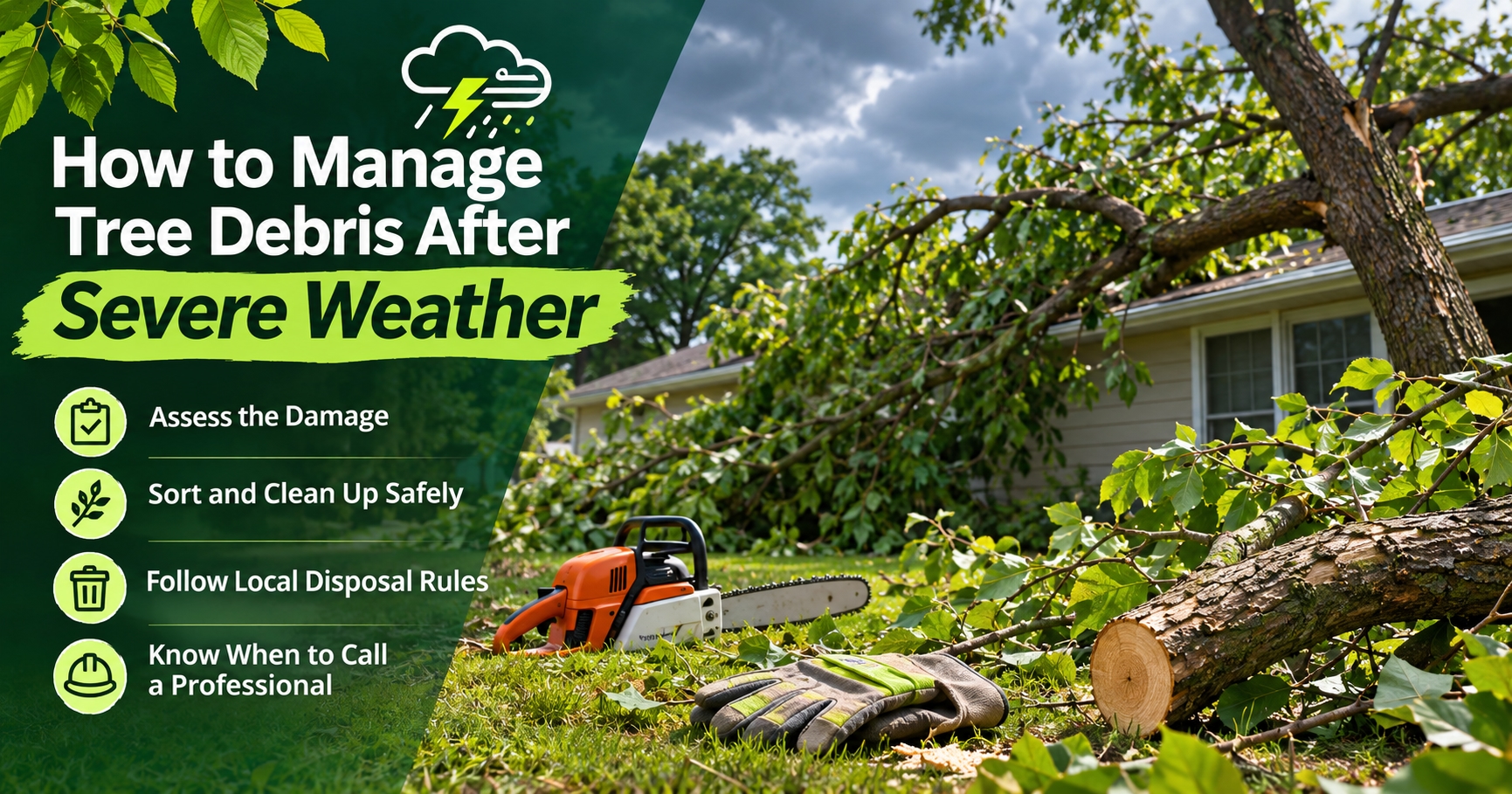
Severe weather can leave a property covered with broken branches, fallen limbs, scattered leaves, and damaged trees. What looks like a simple cleanup job can quickly become a safety concern, especially when large branches are unstable or trees have suffered structural damage. Proper cleanup starts with understanding which debris is safe to handle and which situations require professional attention. For property owners, a reliable bronx tree service can help assess storm damage and determine the safest way to restore outdoor spaces.
1. Assess Tree Damage Before Starting Cleanup
Before picking up branches or moving fallen wood, take time to inspect the property. Strong winds, heavy rain, and snow can weaken tree structures in ways that are not immediately visible.
Walk around the affected area from a safe distance. Look for broken limbs, split trunks, exposed roots, and trees that have developed a new lean. Pay attention to branches caught in other trees because they may fall unexpectedly.
Identify Fallen and Broken Branches
Not all storm damage requires complete tree removal. Some trees experience minor branch breakage but remain structurally sound. Others may have serious damage that affects their stability.
Look for these warning signs:
Large branches broken close to the trunk.
Deep cracks or splits in major limbs.
Trees leaning differently than before the storm.
Soil lifting or cracking around the root area.
Hanging branches caught in the upper canopy.
A damaged tree should not automatically be considered beyond recovery. According to the New York State Department of Environmental Conservation, an arborist can evaluate whether a damaged tree can remain safely in place or needs removal.
Stay Away From Power Lines and Unstable Trees
Downed electrical wires should always be treated as live. Never touch a fallen branch or tree that is in contact with a power line. Keep people and pets away and contact emergency services or the utility provider as appropriate.
If a damaged tree threatens a building, vehicle, or occupied area, do not attempt to move it yourself. Call 911 when there is an immediate danger to life. These precautions help prevent injuries during an already stressful cleanup process.
2. Sort Tree Debris for Easier Cleanup
Once the area has been assessed and confirmed safe to approach, organize the debris by type and size. Separating materials makes the cleanup process more manageable and helps determine what can be handled through routine yard maintenance.
Separate Small Branches, Leaves, and Twigs
Smaller debris is usually easier to collect with basic yard-cleanup equipment. Gather loose twigs, leaves, and small branches into manageable piles.
Consider these simple steps:
Collect loose leaves and smaller plant materials separately.
Group small branches according to their size.
Keep walkways, entrances, and driveways clear.
Avoid piling debris against fences, buildings, or trees.
Check the lawn for sharp sticks and hidden broken pieces.
Do not overload bags or containers. Smaller, manageable loads make it easier to move materials without unnecessary strain.
Handle Large Limbs and Fallen Tree Sections
Large branches and heavy tree sections require a different approach. Their weight can make them difficult to lift, and damaged wood may shift unexpectedly.
Avoid using chainsaws or other cutting equipment on suspended, twisted, or tensioned branches. These materials can move suddenly when cut. Leave large or unstable sections to trained tree professionals with appropriate equipment.
Organizing smaller debris while waiting for professional assistance can help keep the surrounding area accessible.
3. Follow Safe Practices During Storm Debris Cleanup
A rushed cleanup can create more problems than the storm itself. Even smaller branches may have sharp edges, hidden splinters, or uneven weight distribution.
Wear suitable protective equipment when handling ordinary yard debris. Sturdy footwear, work gloves, eye protection, and long sleeves can help reduce common injuries. Keep children and pets away from active cleanup areas.
Avoid standing beneath damaged branches or climbing onto unstable piles of wood. Never use ladders to reach broken limbs after a storm without professional assistance.
It is also worth checking the surrounding property for damaged fencing, loose outdoor fixtures, and scattered objects. These hazards can make moving debris more difficult.
For larger cleanup projects, divide the work into manageable areas rather than attempting to clear everything at once. This helps maintain clear access and reduces unnecessary handling.
4. Understand Tree Debris Disposal Requirements in the Bronx
Removing debris from a property is only part of the job. Knowing where and how to dispose of the material helps prevent additional problems.
New York City has different procedures for public trees, private trees, and ordinary household yard waste. Property owners should not assume that every fallen tree or pile of branches will be collected through regular curbside service.
Know Who Is Responsible for Fallen Trees
NYC Parks handles fallen City trees and branches on public property, including streets, sidewalks, and parks. However, the department generally does not remove non-City trees that fall on private property.
If a street tree has fallen or a dangerous branch is hanging over a public sidewalk, residents can report the issue through NYC 311.
For private-property trees, owners generally need to arrange appropriate cleanup through a qualified contractor.
Before arranging removal, check the property boundary. Some trees near front yards may actually belong to the City. NYC311 recommends checking property records or a title survey when ownership is uncertain.
Arrange Proper Debris Disposal
Different types of wood and yard materials may have different disposal requirements. Check current NYC Department of Sanitation guidance before placing materials at the curb.
Another detail worth remembering is contractor responsibility. NYC sanitation guidance states that professional landscapers and contractors must handle disposal of yard waste generated through their work.
This means property owners should clarify debris hauling and disposal arrangements before a cleanup project begins.
5. Know When Professional Tree Cleanup Is Necessary
Some cleanup tasks are straightforward, but others require specialized equipment and experience. A professional assessment can help identify hidden damage and prevent unsafe removal attempts.
Homeowners searching for a tree service bronx ny should look for providers who can evaluate the condition of damaged trees, explain the proposed work, and address cleanup requirements.
When Tree Trimming Is Needed After a Storm
Broken branches do not always mean an entire tree must be removed. In some cases, selective pruning can address damaged limbs while preserving the healthy structure.
Professional tree trimming bronx services can help remove damaged branches, improve canopy structure, and address limbs that create potential hazards.
The correct approach depends on the type and extent of damage. Removing too much healthy growth can create additional stress, so pruning decisions should be based on the tree's actual condition.
When Complete Tree Removal Is the Safer Option
A severely split trunk, major root failure, or significant structural instability may make a tree unsafe to retain.
Professional tree removal bronx services can assess the situation and determine whether removal is necessary. Large trees near homes, garages, fences, and utility lines may require specialized rigging and equipment.
The objective should be to remove genuine hazards without unnecessarily cutting down trees that can recover.
Commercial Properties Need Organized Cleanup
Storm debris can create additional challenges for businesses, apartment complexes, parking facilities, and other commercial properties.
Blocked entrances, damaged landscaping, and fallen branches can interfere with normal operations. Property managers should prioritize access routes, pedestrian safety, and areas used by employees and visitors.
Professional commercial tree removal may be necessary when large damaged trees threaten buildings, parking areas, or other important parts of a commercial property.
A coordinated cleanup plan also helps property managers address debris removal without overlooking damaged trees elsewhere on the premises.
6. What to Do With Tree Stumps After Storm Cleanup
When a tree is removed, the remaining stump can become another concern. It may obstruct lawn maintenance, interfere with landscaping plans, or create a tripping hazard.
The decision to remove a stump depends on its location, condition, and the property's future use.
Professional stump grinding can reduce the visible portion of the stump below ground level. The remaining wood can then be managed as part of the landscaping process.
Property owners considering stump removal riverdale should first determine whether the stump is connected to damaged roots or other nearby trees that need inspection.
Removing a stump is not always an emergency, but addressing it at the right time can make future landscaping and property maintenance easier.
7. Prepare Your Property for Future Severe Weather
Storm cleanup is also an opportunity to identify maintenance issues that could create problems during the next weather event.
Regular inspections can help property owners recognize dead branches, weak attachments, excessive canopy growth, and other concerns before severe weather arrives.
Consider making these practices part of routine property maintenance:
Schedule periodic inspections of mature and aging trees.
Address dead or damaged branches before storm season.
Avoid allowing branches to grow into utility lines.
Check trees for signs of decay and root instability.
Remove loose outdoor objects before severe weather.
Keep records and photographs of significant tree damage.
Healthy trees still face risks during extreme weather, but proper maintenance can help identify potential hazards earlier.
Conclusion
Managing tree debris after severe weather requires more than clearing branches from the lawn. Property owners need to assess damage, recognize dangerous conditions, organize debris, and follow appropriate disposal procedures.
Small cleanup tasks may be manageable, but hanging limbs, unstable trees, and large fallen sections should receive professional attention. A careful approach helps protect people, preserve healthy trees, and restore residential and commercial properties safely.