Privacy documentation should never be treated as a one-time compliance task. Business operations are evolving on a regular basis as new technologies are introduced by businesses that employ new staff to work with other vendors and gather information in new ways. Maintaining records up to date assists companies in knowing how the personal information is processed and helps them in enhancing privacy in their daily operations.
In Saudi Arabia, with expert assistance, it can be easier to keep accurate privacy records by businesses. SecureLink is an Outsourced DPO Services Saudi Arabia that assists organizations to cope with the current privacy obligations. With reliable DPO support services Saudi Arabia businesses can review documentation regularly identify gaps and keep privacy practices aligned with their current activities.
A Practical Guide to Maintaining Privacy Documentation With DPO Support
1. Maintain a Central Privacy Documentation Framework
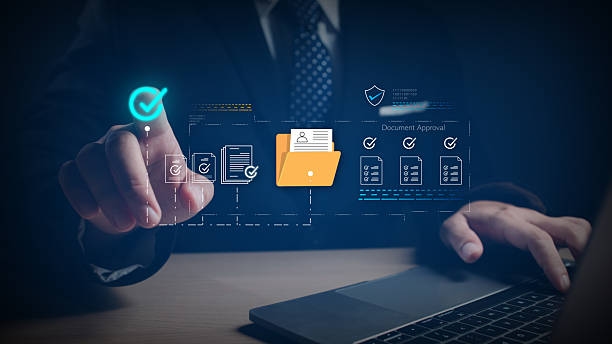
A well-defined documentation system provides companies with a single trusted location to store their privacy documentation. It can include processing records privacy policies DPIAs retention schedules vendor agreements and incident records. Maintaining a well-organized system is easy when making updates and assists teams in not using outdated information when making privacy related decisions.
2. Review the Record of Processing Activities Regularly
Record of Processing Activities: It should reflect the present processing activities of the organization. Whenever there is an operation change, businesses need to review purposes data categories retention periods and transfers of the recipients. It is possible to detect missing information early through regular reviews. DPO is able to liaise with various departments to ensure that records are correct and complete.
3. Connect Documentation Updates to Business Changes
Whenever the business makes significant changes in its operations, the privacy documentation should be consulted. The current records can be influenced by the new software customer platforms vendors or data collection methods. DPO support services Saudi Arabia can assist organizations in ensuring privacy checks are considered in change management procedures to have the documentation updated before new activities introduce compliance gaps.
4. Keep Privacy Notices Consistent With Actual Processing
Privacy notices ought to be clear on how an organization is currently collecting and processing personal information. Use of retention or data sharing may need a change in collection methods purposes. A DPO is able to match privacy notices and internal records with each other and assist teams to detect discrepancies before stale information is shown to data subjects.
5. Update DPIAs When Processing Risks Change
The processing activities should not be the same when processing activities evolve and a Data Protection Impact Assessment should not be left as it is. Other risks can be brought about by new technologies that profile activities or changes of sensitive information using large datasets. DPO guidance may assist organizations to identify when assessments should be reviewed and that risks identified and adequate safeguards are duly recorded.
6. Track Data Processor and Vendor Changes
External vendors can have an important role in an organization's personal data processing activities. New processing functions should be considered when a processor is varied or a service provider presents new processing functions that are of interest. A DPO can collaborate with procurement legal and IT teams to provide vendor related privacy documentation remains up-to-date.
7. Keep Retention and Deletion Records Current
The retention information ought to indicate the duration of time in which personal data are actually retained in the organization. The existing schedules may become obsolete, as a result of changes in business requirements or processing activities. Departments can be reviewed on retention practices regularly by DPO to ensure that periods documented are in line with operational and regulatory requirements.
8. Record Privacy Incidents and Corrective Actions
The incidents of privacy must be documented in a clear manner and the measures must be indicated regarding how they dealt with them. The preservation of such information forms a handy history of privacy incidents and organizational reactions. DPO may assist in reviewing documentation of incidents to determine recurrent problems and make sure that corrective actions are documented in appropriate policies and procedures.
9. Establish Clear Ownership for Every Document
Privacy records are more conveniently maintained when there is a responsible owner of each record. Information regarding employees, suppliers or marketing activities may be under control of different departments. A DPO may be useful in defining responsibilities and aligning updates across teams whereby vital records are not rendered obsolete by mere lack of a clear definition of ownership.
10. Introduce a Regular Review and Monitoring Cycle
Privacy documentation can be more easily handled on a regular basis during the year. Depending on the business activities and the level of risk, businesses are able to create periodic checks. Reviews may cover processing records privacy notices DPIAs vendor information and retention schedules. This system assists organizations to detect changes even before documentation has become obsolete.
11. Document DPO Advice and Compliance Decisions
Significant privacy choices ought to be well documented with the considerations and actions being taken. Recording DPO recommendations would be a good source of evidence in terms of privacy policing. It may also assist the management in knowing the reason why this or that measure was implemented. By keeping such records, it will bring additional transparency and will enable a more orderly process of privacy governance.
12. Use DPO Reporting to Measure Progress
Periodic DPO reporting can provide the management with a realistic view of privacy operations and work in progress. Reports can cover documentation reviews DPIAs vendor assessments incidents training and unresolved actions. This data assists decision makers to know where they need to pay attention and motivate departments to consider privacy management as a business responsibility.
Conclusion
To maintain privacy documentation it is important to keep records up to date and not update them occasionally. Documentation reviews should be linked with changes in the operations within the organization, and the key records should have an ownership. This strategy can assist companies to develop more precise privacy statements and enhance accountability and transparency on how personal information is handled.
As part of DPO support services Saudi Arabia organizations will have the ability to create a more uniform way of keeping privacy documentation. The reviews risk assessment reporting and interdepartmental coordination may be facilitated by professional DPO involvement. To companies in need of reliable privacy governance this continuous strategy can be of practical assistance as well as assisting the companies in their duties with greater assertiveness.