
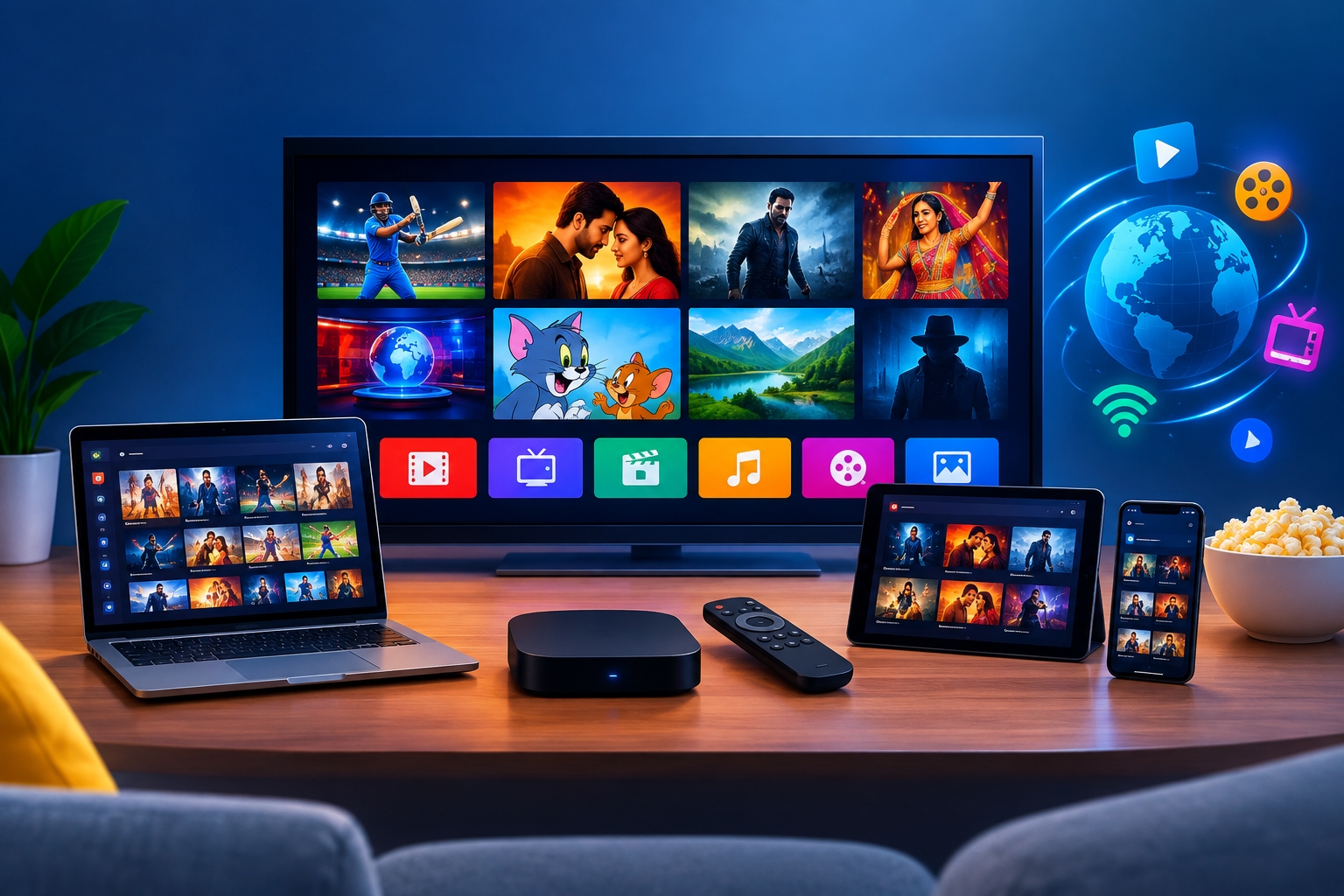
The way people watch television has changed significantly in recent years. Traditional cable and satellite services are no longer the only choices for enjoying live television and on-demand entertainment. With internet-based streaming becoming more popular, viewers now have greater flexibility in choosing how and where they watch their favorite programs.
An iptv service can provide a convenient way to access television content through an internet connection. Instead of depending entirely on traditional broadcasting methods, IPTV technology delivers television programming through internet networks, making it suitable for viewers who prefer flexible and modern entertainment options.
What Is Internet-Based Television?
Internet Protocol Television, commonly known as IPTV, uses internet connectivity to deliver television programming to compatible devices. Depending on the provider and plan, viewers may be able to access live channels, video-on-demand content, catch-up programming, and other entertainment features.
One of the main advantages of internet-based television is device flexibility. Depending on compatibility, viewers can use smart TVs, streaming devices, computers, smartphones, tablets, or dedicated TV boxes.
This flexibility makes IPTV appealing to households that want to move beyond traditional television viewing.
Why Are More Viewers Choosing IPTV?
Modern viewers often want entertainment that fits their schedules rather than being limited by traditional television arrangements. IPTV can provide a more flexible viewing experience while allowing users to watch content on supported devices.
Another benefit is convenience. Users can often manage their viewing experience through applications or compatible streaming platforms. Features such as electronic program guides, categorized channels, and on-demand libraries can make finding content easier.
However, the actual features and channel availability depend on the provider, location, device, and selected package.
Choosing the Right IPTV Subscription
Selecting an IPTV subscription requires more than simply comparing prices. A suitable plan should match your viewing habits, preferred content, supported devices, and internet setup.
Before choosing a plan, consider factors such as:
Available channels and content categories
Supported streaming devices
Video quality options
Number of simultaneous connections
Customer support
Subscription duration
Refund or cancellation policies
Reliability of the service
A longer subscription may appear economical, but customers should first understand the service and its features. Checking available short-term options can be useful before making a longer commitment.
Comparing IPTV Providers
There are many iptv providers available online, but their services can differ considerably. Some may focus on sports, entertainment, international programming, or specific regional audiences.
When comparing providers, look beyond promotional claims. Check whether the provider clearly explains its available content, compatible devices, pricing, customer support, and terms of service.
It is also important to choose providers that have the necessary rights and permissions to distribute the content they offer. This helps viewers avoid services that may disappear unexpectedly or create legal and security concerns.
Understanding an IPTV Subscription Plan
An iptv subscription Plan can include different features depending on the provider. Some plans may be designed for individual users, while others may support multiple devices or connections.
When reviewing a plan, consider how frequently you watch television and what types of programming you actually need. Paying for features you rarely use may not provide good value.
A good plan should offer a balance between content, performance, compatibility, and price. Reading the terms carefully before purchasing can also help prevent unexpected charges or limitations.
Exploring Arabic Entertainment Options
For viewers interested in Middle Eastern programming, Arabic IPTV can offer access to Arabic-language television content through compatible internet-connected devices. Depending on the provider, programming may include news, entertainment, cultural programs, documentaries, and other regional content.
Arabic-language entertainment can be particularly valuable for families and international viewers who want to stay connected with familiar languages and programming while living outside Arabic-speaking countries.
The availability of specific channels varies by location and provider, so viewers should always verify the current channel lineup before subscribing.
Finding Arabic Channels Online
Arabic IPTV Channels may cover different genres and audiences. Some services organize channels according to language, country, category, or region, making it easier to discover preferred programming.
Before selecting a service, viewers should check whether their preferred channels are actually included in the package. Channel lineups can change, so relying only on older promotional lists may lead to disappointment.
A transparent provider should clearly communicate its current channel availability and explain any important limitations.
Device Compatibility and Internet Requirements
Your viewing experience also depends on the device you use. Many IPTV platforms can work with supported smart televisions, Android-based devices, streaming players, computers, and mobile devices.
A stable internet connection is equally important. High-definition and ultra-high-definition video generally require more bandwidth than standard-definition streaming. A weak or inconsistent connection may result in buffering, interruptions, or reduced video quality.
Before subscribing, check the provider's recommended internet requirements and make sure your device is compatible with its application or platform.
Security and Responsible Streaming
Online streaming should always be approached carefully. Viewers should avoid downloading unknown applications or providing payment information to suspicious websites.
Choose services that clearly explain their company information, payment terms, privacy practices, and customer support options. Using legitimate services also helps protect the wider entertainment ecosystem by ensuring content creators and rights holders are properly supported.
Consumers should also verify that the content they access is legally offered in their region.
Final Thoughts
Internet-based television has created new possibilities for viewers looking for flexible entertainment options. From live programming to on-demand content, the right service can provide a convenient alternative to traditional television.
When comparing an iptv service, focus on content availability, device compatibility, reliability, pricing, customer support, and legal content distribution rather than choosing a provider based only on the lowest price. Taking time to compare your options can help you select a service that better matches your household's viewing needs.






