
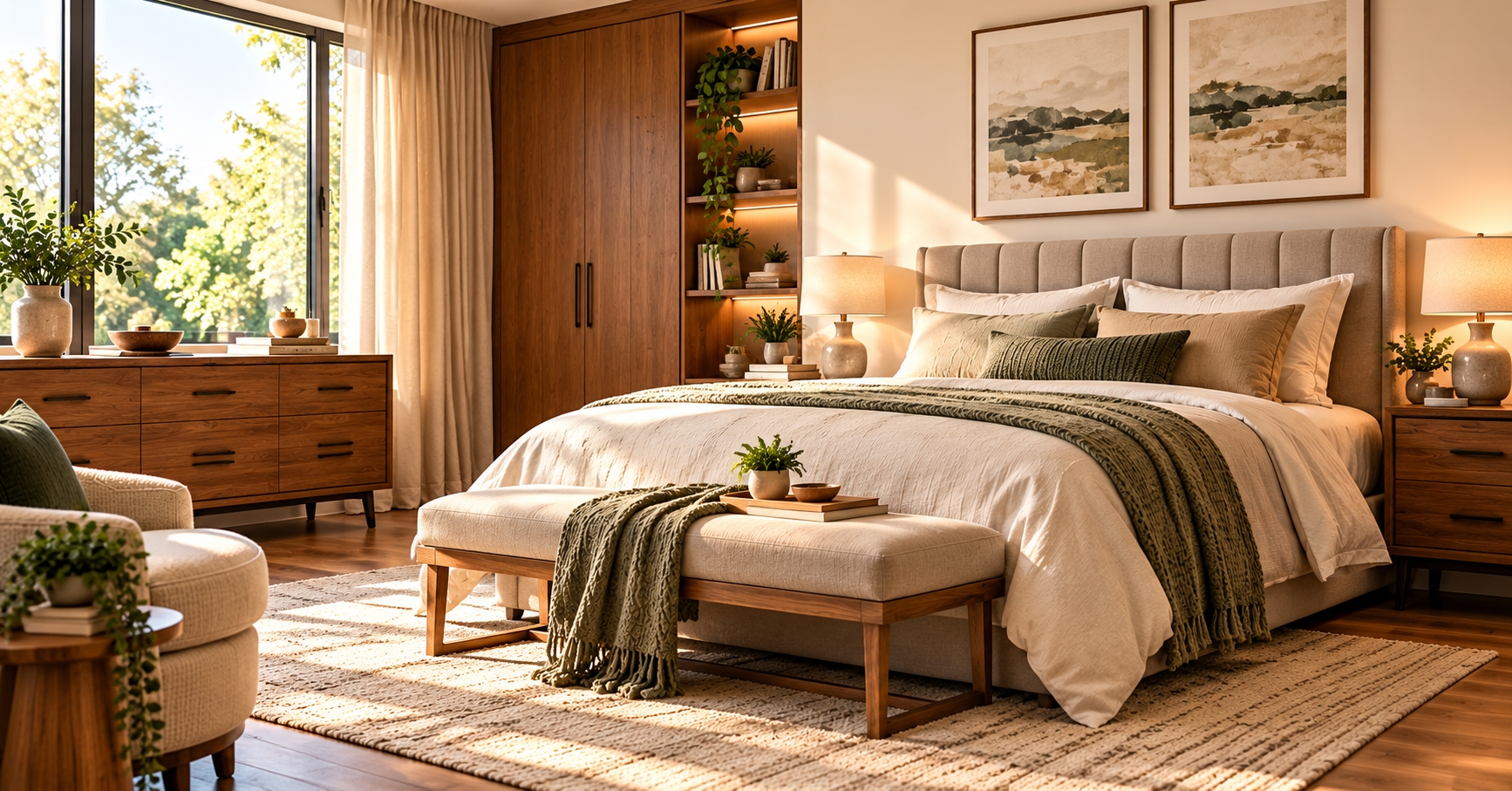
A bedroom should be more than just a place to sleep. It should provide a comfortable, organized, and relaxing environment where every piece of furniture serves a purpose. Choosing the right bedroom furniture can improve both the appearance and functionality of your space, whether you have a spacious master bedroom or a compact apartment bedroom.
1. Choose a Bed That Suits Your Space
The bed is usually the focal point of any bedroom, so selecting the right size and design is essential. Consider the room's dimensions before choosing between a single, double, queen, or king-size bed. A bed that is too large can make the room feel cramped, while one that is too small may not provide enough comfort.
For smaller bedrooms, consider beds with built-in storage drawers or space underneath for storing extra bedding. Prioritize a sturdy frame and a comfortable mattress to support restful sleep.
2. Prioritize Functional Storage
Good storage helps maintain a clean and peaceful bedroom. Wardrobes, dressers, bedside tables, and storage beds can keep clothing, accessories, and everyday essentials organized.
Before purchasing storage furniture, evaluate your belongings and available floor space. Vertical wardrobes and tall dressers can maximize storage without taking up too much room. Choose furniture with practical compartments so frequently used items remain easy to access.
Explore ideas for bedroom furniture to understand how different furniture pieces can work together to create a functional interior.
3. Select Comfortable and Practical Materials
Furniture materials influence durability, maintenance, and overall appearance. Solid wood offers a classic look, while engineered wood can provide a practical option for different budgets. Upholstered headboards add softness and comfort, particularly for people who enjoy reading or relaxing in bed.
Look for quality construction, smooth finishes, sturdy joints, and easy-to-maintain surfaces. Neutral colors and timeless designs can also make it easier to update your bedroom decor without replacing every piece of furniture.
4. Make the Most of Small Spaces
A small bedroom requires thoughtful furniture placement. Choose pieces that serve more than one purpose, such as storage ottomans, beds with drawers, or compact bedside tables.
Avoid overcrowding the room with unnecessary furniture. Leave enough space to move comfortably between the bed, wardrobe, and doorway. Mirrors, light colors, and furniture with raised legs can help create a more open appearance.
5. Coordinate Style With Everyday Needs
A well-designed bedroom balances visual appeal with everyday practicality. Select furniture that complements your preferred interior style, whether modern, traditional, minimalist, or Scandinavian.
Coordinate finishes, colors, and hardware for a consistent look, but avoid making every piece identical. A combination of complementary textures and materials can create a more inviting atmosphere.
For additional inspiration, explore living room furniture ideas to discover principles of furniture coordination, material selection, and cohesive interior styling that can also inform bedroom design.
Conclusion
Choosing bedroom furniture that combines comfort and functionality starts with understanding your space, storage needs, and personal preferences. By investing in a suitable bed, practical storage, durable materials, and thoughtful furniture placement, you can create a bedroom that looks attractive and supports everyday comfort. The best furniture choices are those that make your room easier to use while providing a relaxing place to unwind.







