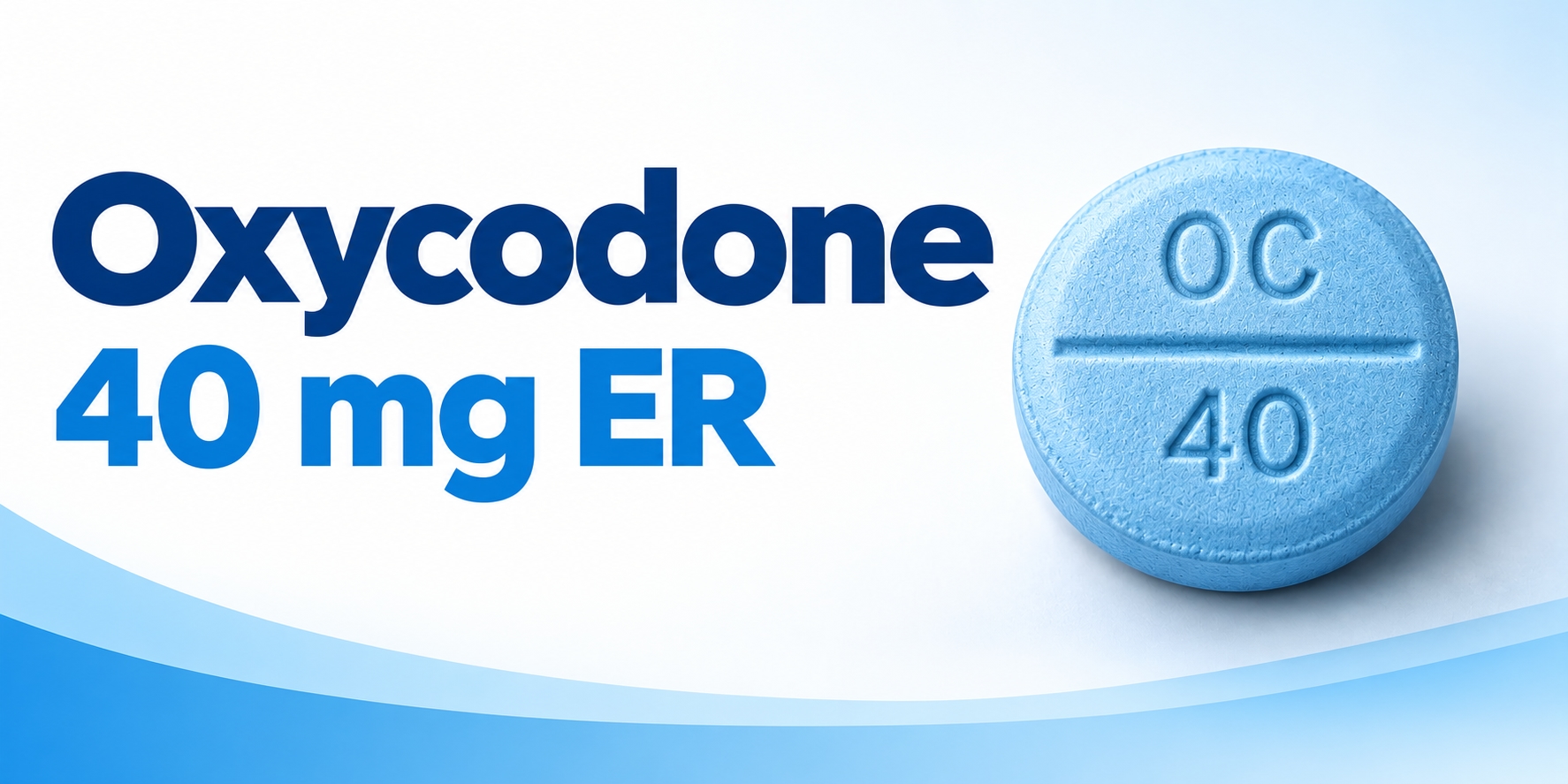
Oxycodone 40 mg ER: Understanding Extended-Release Pain Relief
Oxycodone 40 mg ER is an extended-release opioid medication designed to provide prolonged pain relief. Unlike immediate-release oxycodone products, extended-release formulations are intended to release the medicine gradually over time. This formulation is generally reserved for patients with severe, persistent pain when continuous opioid treatment is appropriate.
Oxycodone 40 mg ER tablets work primarily by binding to opioid receptors in the central nervous system. These receptors influence how the brain and body perceive pain. By changing the way pain signals are processed, oxycodone can reduce the intensity of pain. Because extended-release formulations remain active for longer periods, they require careful dosing and monitoring by a healthcare professional.
Oxycodone 40 mg ER: Prescription and Online Medication Safety
When researching to order oxycodone online with prescription, patients should understand that oxycodone is a prescription opioid and should only be obtained through a legitimate, licensed pharmacy with a valid prescription from an authorized healthcare professional. Websites offering controlled medications without a prescription can expose patients to counterfeit or incorrectly dosed products.
Before obtaining Oxycodone 40 mg ER, verify that the pharmacy is properly licensed and that the medication matches the prescription provided by your clinician. A pharmacist can also explain how to take the medicine safely and identify potentially dangerous interactions with other medications.
Oxycodone 40 mg Extended Release and How It Works
The extended-release formulation is designed to deliver oxycodone over an extended period. This can help maintain relatively consistent pain control for appropriately selected patients. However, the medication is not intended to provide rapid relief for sudden or breakthrough pain unless specifically directed by a healthcare professional.
Patients should follow the prescribed schedule exactly. Taking more medicine, taking doses closer together, or changing the formulation can increase the risk of serious adverse effects.
Oxycodone 40 mg ER Tablets: Important Administration Guidelines
An oxycodone 40 mg tablet formulated for extended release should be used exactly as prescribed. Extended-release tablets generally must not be crushed, chewed, dissolved, or altered because doing so can cause the medication to be released too quickly.
Taking an altered extended-release opioid can result in an excessive amount of oxycodone entering the bloodstream at once. This may cause dangerous respiratory depression, extreme sedation, or overdose.
Always read the medication guide supplied with the prescription and ask a pharmacist if you are uncertain about how the tablet should be taken.
Oxycodone 40 mg ER: Common Side Effects
Like other opioid medicines, Oxycodone 40 mg ER can cause side effects. Common effects may include constipation, nausea, vomiting, dizziness, drowsiness, itching, and headache.
Constipation is particularly common with opioid treatment because opioids can slow movement through the digestive system. Healthcare professionals may recommend appropriate strategies for preventing or managing constipation.
Drowsiness and dizziness can also affect alertness. Patients should understand how the medication affects them before driving, operating machinery, or performing activities requiring concentration.
Oxycodone 40 mg ER: Serious Risks and Warning Signs
One of the most important risks associated with extended-release oxycodone is respiratory depression, in which breathing becomes dangerously slow or shallow. The risk can be increased by taking higher-than-prescribed doses or combining oxycodone with other substances that depress the central nervous system.
Alcohol, benzodiazepines, certain sedatives, and other opioids can potentially increase sedation and breathing-related risks when combined with oxycodone. Patients should tell their healthcare professional about every prescription medicine, over-the-counter product, and supplement they use.
Extreme sleepiness, difficulty waking, slow or shallow breathing, unusual snoring, or loss of consciousness can indicate a medical emergency. Emergency medical assistance should be sought immediately if these symptoms occur.
Oxycodone ER and Dependence
Long-term opioid treatment can result in physical dependence. Dependence means the body has adapted to the medicine and withdrawal symptoms may occur if treatment is suddenly stopped.
Dependence is different from addiction, although opioid medicines can also carry a risk of opioid use disorder. Patients should never abruptly discontinue long-term oxycodone treatment without medical guidance. A healthcare professional can determine whether gradual dose reduction is appropriate.
Oxycodone 40 mg: Safe Storage and Disposal
Prescription opioids should be stored securely and kept away from children, visitors, and anyone for whom the medicine was not prescribed. Sharing oxycodone with another person can cause serious harm, even if that individual experiences similar pain.
Unused medication should be disposed of according to local medication take-back or disposal recommendations. Keeping unnecessary controlled medication in the home can create opportunities for accidental ingestion or misuse.
Oxycodone 40 mg ER: Questions to Discuss With Your Doctor
Before beginning treatment, patients should discuss their medical history with their healthcare professional. Important topics include breathing problems, sleep-related breathing disorders, liver or kidney conditions, previous substance-use concerns, pregnancy, and other medications being taken.
Patients can also ask whether an extended-release formulation is appropriate for their particular type of pain, what symptoms require urgent attention, and how the medication should be stored and eventually discontinued.
Conclusion: Using Oxycodone 40 mg ER Responsibly
Oxycodone 40 mg ER is a potent extended-release opioid intended for specific pain-management situations under professional supervision. Understanding how the medication works, following the prescribed dose, avoiding dangerous combinations, and recognizing warning signs can help reduce preventable risks.
Anyone considering oxycodone online prescription services should use only legitimate, licensed pharmacies and should never purchase prescription opioids from websites that bypass the requirement for a valid prescription. Medical guidance remains essential when starting, changing, or stopping opioid treatment.